Interview with a top Myanmar model: life on set
A finished fashion image can make a day on set appear effortless. Behind it are early call times, garment steaming, lighting adjustments, quick changes and dozens of decisions that never appear in the final frame.
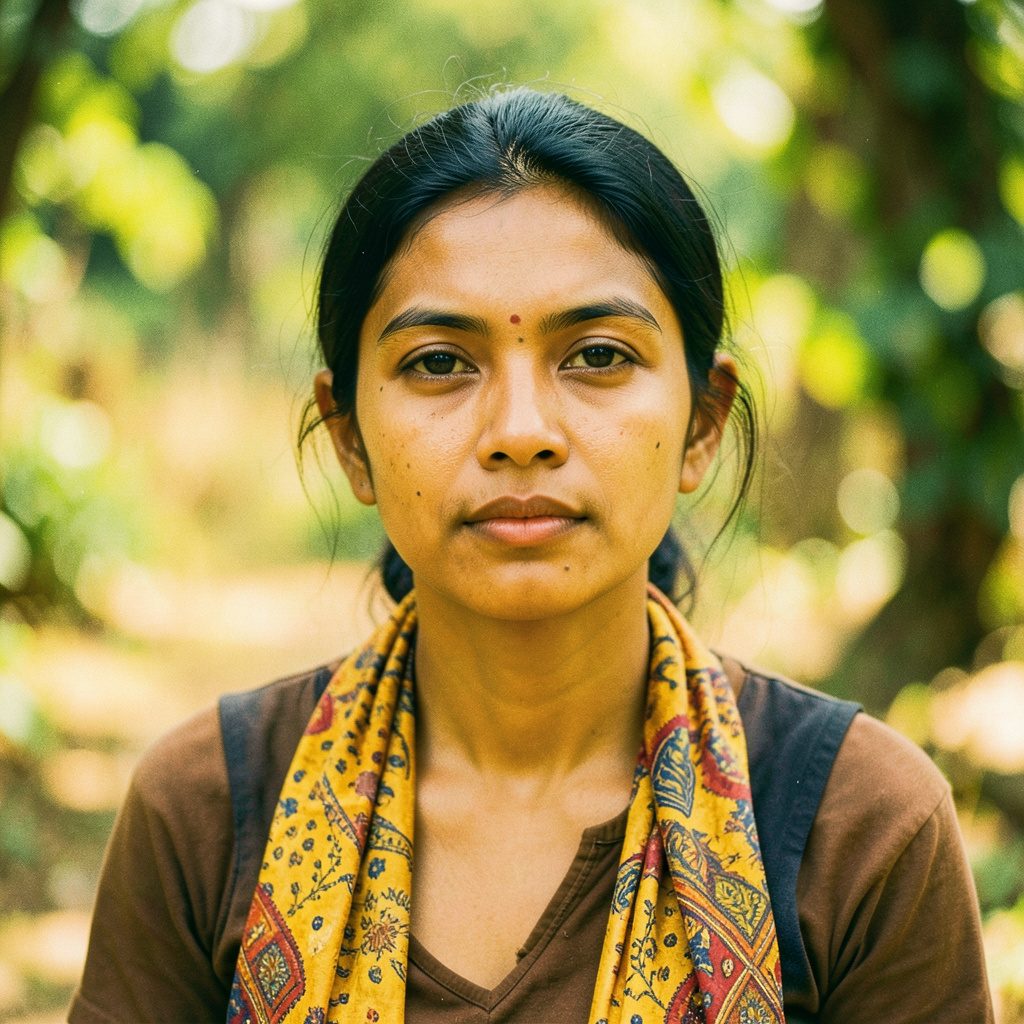
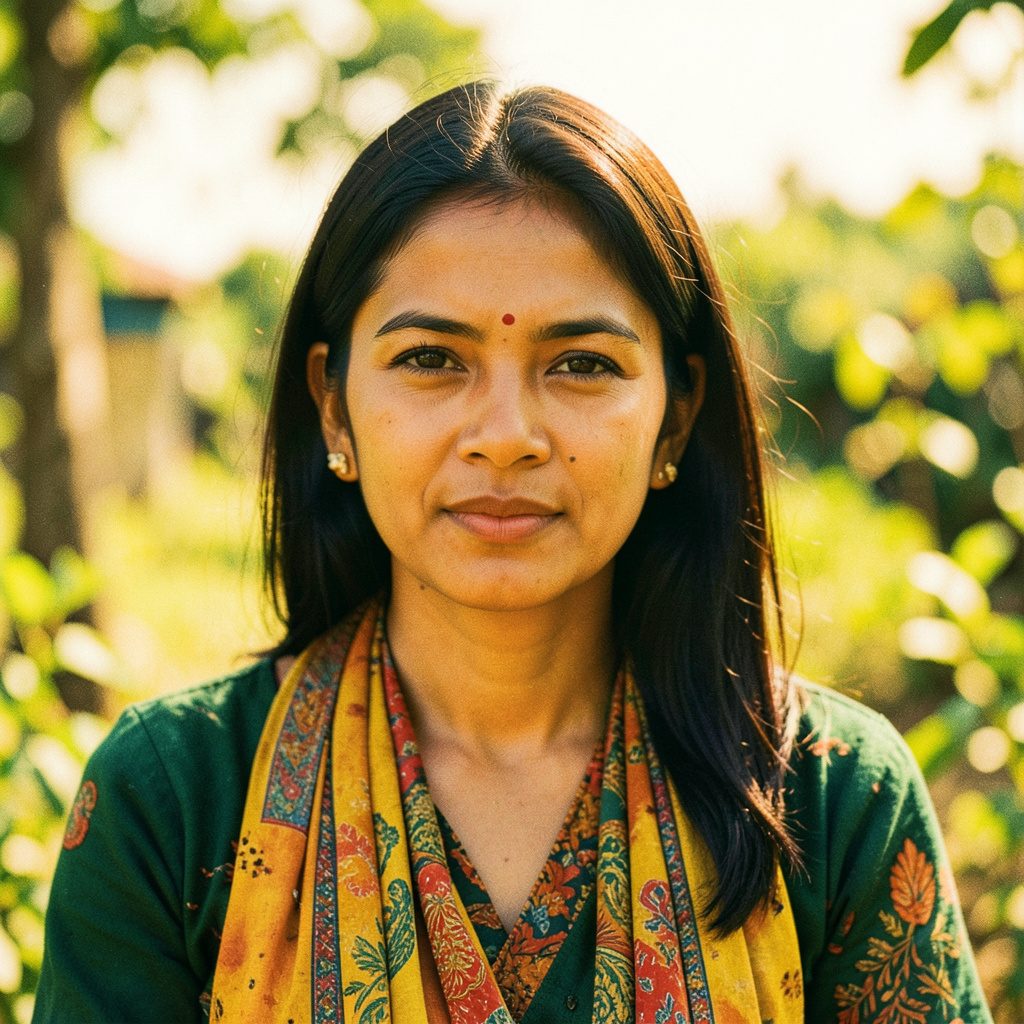
Aye Chan is a leading Myanmar runway and editorial model whose work has moved from Yangon studios to international campaigns. She is known for balancing modern fashion with the elegance of traditional Burmese dress.
Her photographs also form part of Myanmar-model.net’s growing visual archive, where magazine covers, portraits and fashion shoots document the changing style of Myanmar’s modelling scene.
The following conversation explores the discipline behind those images, from preparation at home to the final frame in a busy Australian studio.
Before the first call time
Chan begins each assignment by studying the brief, mood board and reference images supplied by the creative team. For an editorial shoot, she may receive a collection of silhouettes; for a commercial campaign, the direction can be more tightly focused on a product and its intended audience.
Preparation extends beyond choosing a flattering pose. She confirms wardrobe options, footwear and accessories, then discusses movement and comfort with the stylist. “I want to know what the clothes are trying to say,” she explains. “My job is to give that idea a body and a face.”
Her own pre-shoot routine is deliberately quiet. Clothes are laid out, accessories are checked and references are reviewed before sleep. That discipline allows her to move quickly once a production day begins.
Anatomy of a shooting day
On a typical editorial day, Chan may arrive at a studio before sunrise. Hair and makeup begin first, followed by wardrobe fitting, lighting tests and the first set-up. Even when the finished picture appears simple, each element may require several attempts.
Lighting is one of the most changeable parts of the job. A cloud passing over a window can soften shadows, while a photographer’s request for stronger contrast may prompt the crew to reposition lamps, flags or backgrounds. Between adjustments, the model waits, drinks water and remains alert for the next instruction.
Once shooting starts, the pace becomes unpredictable. The team might move from a polished studio image to a spontaneous street-style frame within minutes. Chan treats both equally. Her expression, hand placement and posture need to remain consistent even when the location, weather or styling changes suddenly.
Tradition, styling and visual identity
Myanmar fashion offers a striking combination of historic craftsmanship and contemporary design. A look may feature lightweight silk, a fitted traditional jacket, gold jewellery, jasmine flowers or the delicate lines of thanaka. Modern shoots often place these elements beside clean tailoring, denim or minimalist eveningwear.
Chan says the strongest styling happens when a garment is allowed to retain its own character. “Traditional clothing should not feel like a costume added for decoration,” she says. “It should feel natural, with its texture and history intact.”
The wider creative record captured in a visual portfolio helps show how these details work beyond a single photograph. Close views of fabric, jewellery and styling reveal the choices that a finished campaign image may conceal.
Her archive on Myanmar-model.net follows a similar principle. A model’s portraits gain value when they preserve identity, place and mood rather than presenting fashion as a series of interchangeable trends.
Between Yangon and Australian studios
Chan has worked in Sydney and Melbourne as well as Yangon. She values the coastal light available in Sydney, particularly for outdoor images near Bondi, where the morning atmosphere can change quickly. Melbourne’s laneway studios offer another visual language, with brick walls, metalwork and narrow passages creating depth without elaborate scenery.
Australian casting teams often describe a distinctive market in their briefs. Local campaigns may combine polished commercial photography with relaxed lifestyle imagery, asking the model to perform with both confidence and ease. That approach has similarities to Myanmar’s growing fashion campaigns, although the settings and references differ.
An international booking also brings practical differences. Her Australian agent may arrange payment in Australian dollars, handle local invoicing and coordinate travel between the airport and shoot location. She follows familiar Australian call-sheet customs, including firm arrival times, designated meal breaks and regular sun-safety checks for outdoor work.
Practical checklists for models and crews
Chan keeps her personal preparation compact so that important details are not buried under unnecessary items. Her approach is practical enough to adapt to a Yangon studio or a day filming around Melbourne.
- Confirm the call time, address, parking and transport plan.
- Review the brief, wardrobe list and reference images.
- Pack sensible shoes, basics, water and personal care items.
- Arrive prepared for changes in weather, lighting and running order.
Production teams need a similarly clear handover, especially when garments, locations and multiple looks are involved.
- Share the final call sheet with everyone working on set.
- Label styled outfits and accessories for quick changes.
- Keep garment racks, props and backup options organised.
- Allow time for hair, makeup, breaks and brief safety checks.
Neither checklist replaces experience, but both reduce confusion. When expectations are clear, the model can concentrate on performance and the crew can concentrate on making each frame count.
The image that remains
Chan still notices small mistakes that a viewer would never see. A crooked earring, a hem caught beneath a shoe or a moment of distracted concentration can affect the photograph even when the composition is strong. Professional set work depends on noticing those details and correcting them without losing the energy of the image.
She also values the temporary nature of production. A gallery may remain online for years, but the original set existed only for a few hours: the crew, the clothes, the light and the decisions made together.
The lasting truth of life on set is that a polished picture is the result of disciplined collaboration. The image worth remembering is not simply the most dramatic frame, but the one that preserves the character, confidence and careful craft of the moment.