How Myanmar models stay fit for the camera
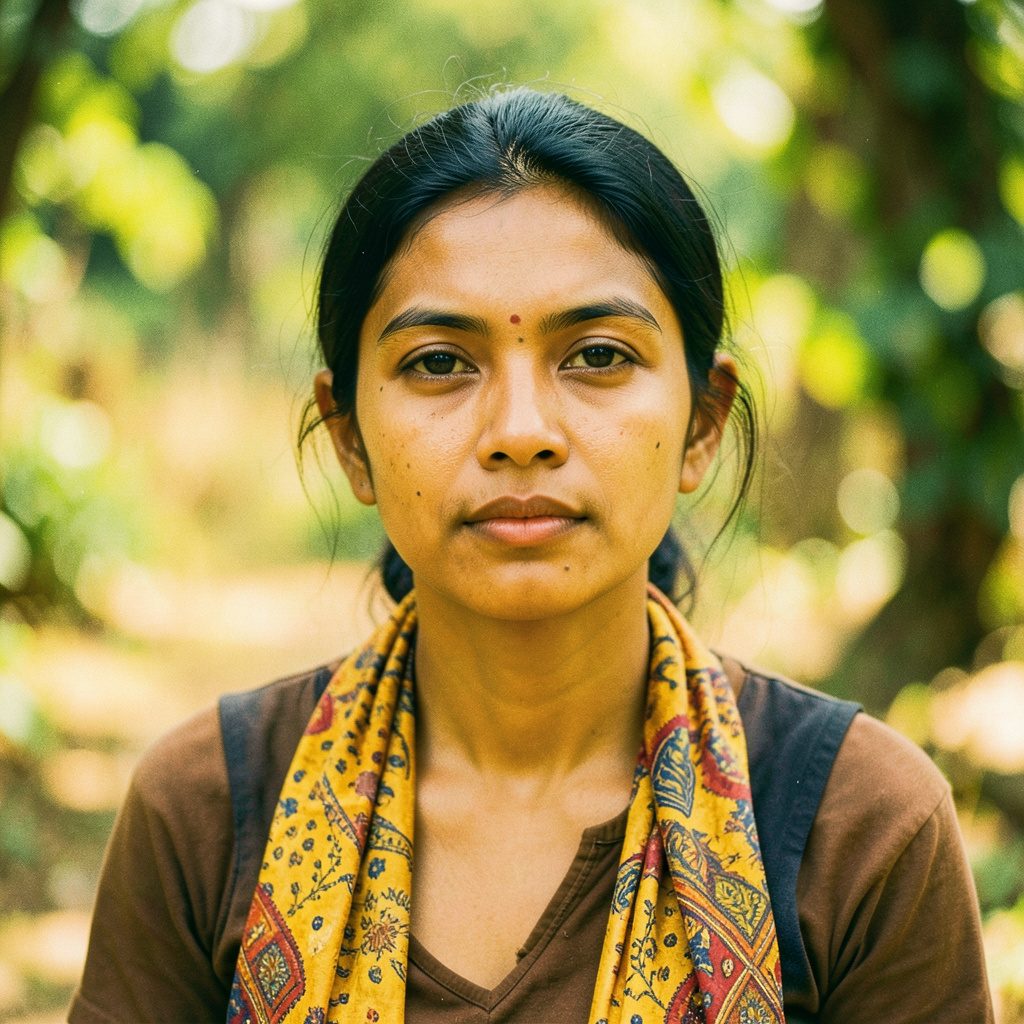
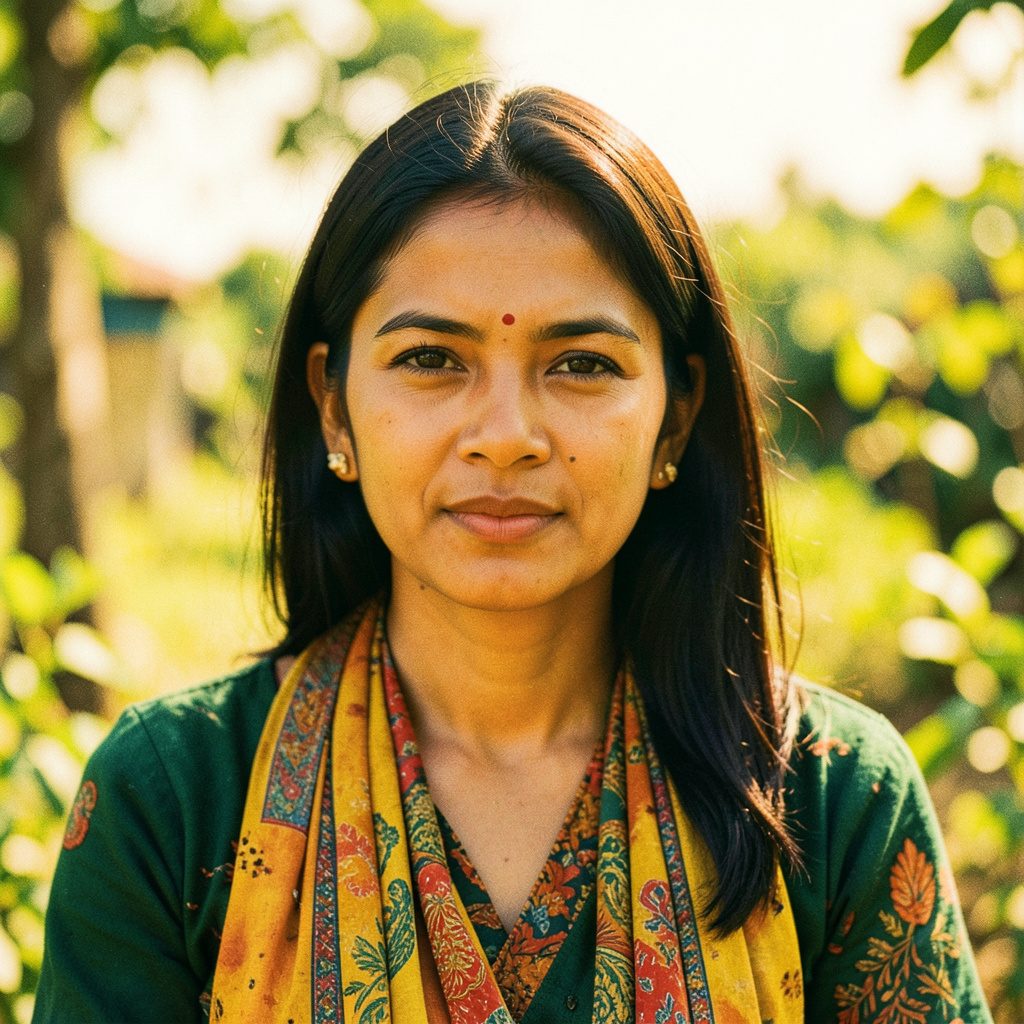
Keeping Myanmar models fit for the camera is less about chasing a perfect body than about building repeatable habits for strength, mobility and composure. These qualities matter in portrait galleries, magazine covers and fashion shoots, where a still frame rewards posture, balance and an easy control of expression.
For models working in Myanmar and abroad, preparation has to fit around work, family, travel and changing climates. Australia offers a practical example: Sydney’s coastal paths make outdoor movement inviting, while Melbourne’s changeable weather often makes indoor studio training easier to plan. Whatever the location, the aim is a healthy, capable physique that performs under lights, not a temporary transformation.
Daily habits behind camera readiness
A camera can reveal fatigue that feels ordinary from the inside: a stiff neck, guarded shoulders, shallow breathing or heavy eyes. Daily activity, good sleep and steady hydration help address those basics. Walking, cycling or swimming builds endurance, while resistance work protects the strength needed to stand, turn and hold a pose.
A realistic schedule can combine two or three strength sessions with lighter cardio and mobility on other days. The exact routine depends on the model’s workload and training history, but consistency is more useful than a punishing plan. In Australia, a brisk walk beside Bondi Beach can become cardio without feeling like a formal workout.
Strength, mobility and posture
Strength training supports the movements a photographer asks for. Squats, hinges, pushes, pulls and loaded carries develop practical control, while core exercises improve stability during a long standing pose. Progressive resistance also supports bone and joint health, making it more useful than training only for a single event or outfit.
Mobility keeps that strength usable. Shoulders, hips and ankles need enough range to turn smoothly, reach comfortably and change stance without tension. Models can rehearse a hand placement, chin angle or slow step so the final image feels natural. Even a few minutes of mobility work can make directing easier on set.
Eating well for consistent energy
A camera-friendly diet still needs to be a sustaining one. Rice, lentils, beans, tofu, eggs, fish, vegetables and fruit can provide the energy, protein and variety needed for training and long shoot days. Familiar Myanmar foods, including mohinga and lentil curry, can fit this pattern, although no single menu suits every body or goal.
Planning meals around Australian supermarket staples and seasonal produce makes consistency easier, especially when a model shares accommodation with relatives or follows a busy work schedule. Eating regularly, with water between meals, is often more practical than leaving lunch until a shoot is finished. Dietitians can add individual guidance where nutritional needs are specific.
Recovery within an Australian routine
Recovery is where many rushed routines fail. Sleep helps regulate weight, mood and concentration, while rest days let muscles adapt. Stress matters too: tension in the jaw and shoulders can appear in a close portrait. A short walk, breathing exercise or gentle stretch after travel can settle the body before styling and filming begin.
Fitness is woven into Australian life through community sport, walking groups and events such as Sydney’s City2Surf, so movement can be social as well as individual. That can make regular exercise easier to sustain. For models moving between shoot locations, however, the schedule still needs room for sleep, meals and genuine time away from the camera.
Wardrobe, posing and visual polish
Fitness is only one layer of a convincing photograph. Wardrobe fit, fabric drape, hair, makeup, lighting and camera angle all shape what the audience sees. For a fashion shoot or magazine cover, the stylist’s brief matters as much as the workout: an outfit can look completely different when it is moving, lit from the side or photographed with a particular lens.
| Factor | Off-camera preparation | What appears on camera |
|---|---|---|
| Body alignment | Strength and mobility support steady posture | Poise, balance and controlled turns |
| Wardrobe | Clothes are tested for comfort and movement | Fabric, cut and silhouette shape the image |
| Face and styling | Sleep and hydration support a rested appearance | Makeup, hair and expression set the mood |
| Lighting and lens | These are planned separately from the workout | Angles change apparent proportions and emphasis |
| Stamina | Meals and recovery support a full schedule | Consistent energy during a long shoot |
The best teams treat these elements as one package rather than asking the body to compensate for poor styling. A model who knows the poses and feels at ease can follow direction, adjust posture and concentrate on expression. Preparation creates the control; the photographer, stylist and lighting convert that control into the finished image.
What the camera remembers
Across Myanmar-model.net’s portrait galleries and fashion features, the visible result may look effortless. Yet a poised frame reflects hours of preparation: repeated strength sessions, regular meals, careful rest and an understanding of how clothing behaves in front of a lens. Traditional dress and tailored fashion may change the silhouette, but the need for bodily confidence remains consistent.
What should stay in view is the whole process rather than the final pose alone. Myanmar models stay ready for the camera by protecting their health, refining their movement and arriving with enough composure to work with a team. The photograph freezes a polished moment, but its strongest impression comes from consistent, responsible preparation behind it.