How Myanmar Models Bring Heritage Patterns Into Modern Dress
Traditional Myanmar textiles have a visual language shaped by regional weaving, family history and everyday dress. Patterns may appear in an acheik longyi, a handwoven shawl, a silk jacket or a small trim placed at the cuff. When models bring these elements into contemporary outfits, the result can feel current without losing its cultural reference.
Editorial styling often makes this balance especially visible. A formal longyi might be paired with a sharply cut blazer, while a patterned blouse may appear with denim, tailored trousers or a minimal skirt. The contrast gives the textile room to speak while placing it within the codes of modern fashion photography.
For Australian viewers, these looks offer a useful way to think about fashion as both personal expression and cultural memory. The styling works across different settings, from a humid Sydney event to a Melbourne gallery opening, because it relies on proportion, colour and texture rather than a single fixed costume.
Patterns That Carry Cultural Memory
Acheik is among Myanmar’s best-known textile traditions. Its wave-like bands and complex geometric movement are often associated with silk weaving and formal attire. The pattern can be dense and highly decorative, so contemporary stylists frequently use it as the central feature of an outfit rather than competing with it through excessive accessories.
A model wearing an acheik longyi with a plain shirt demonstrates how heritage fabric can anchor a clean silhouette. The lower half of the outfit carries colour and rhythm, while the upper half remains restrained. This approach allows viewers to notice the workmanship, the repeat of the pattern and the way the cloth moves when the wearer walks or poses.
Other traditional motifs may be tied to particular communities, regions or weaving practices. They should not be treated as interchangeable surface decoration. A thoughtful editorial image gives the textile context through styling, captioning and respectful presentation, especially when a garment has ceremonial or formal associations.
From Longyi Styling To Streetwear
The longyi is adaptable by design. Its wrapped construction creates a fluid line, and its length can be balanced with fitted, cropped or oversized pieces above. Myanmar models may wear a patterned longyi with a tucked-in blouse for a polished appearance, or combine it with a structured jacket that gives the traditional garment a distinctly urban edge.
Contemporary photography often explores this tension through unexpected pairings. A glossy silk longyi may sit beside a leather belt, sculptural earrings or a boxy cotton shirt. A traditional blouse can be styled with wide-leg trousers, while a printed wrap becomes a layered skirt over a simple base. These combinations retain a recognisable connection to Myanmar dress while reflecting international fashion language.
The same idea appears in modern fashion references that place heritage pieces beside current tailoring, statement accessories and streetwear. The strongest outfits usually repeat one visual quality: a colour from the textile may appear in the shoes, or a geometric motif may be echoed by a rectangular handbag.
Modernisation does not require removing every traditional detail. It may involve changing the scale of a pattern, shortening a jacket, simplifying the colour palette or using a familiar motif on a contemporary garment. The textile remains legible, but the overall outfit feels suitable for a magazine cover, a creative event or a city wardrobe.
Colour, Texture And Proportion
Colour is one of the clearest ways Myanmar fashion personalities update traditional patterns. Rich ruby, saffron, emerald, indigo and gold can produce a formal impression, while cream, black, stone and soft blue make a patterned textile easier to wear during the day. A neutral background can also give intricate weaving a sharper graphic effect in photographs.
Texture adds another layer. Silk catches studio lighting and gives movement to a portrait, while cotton and linen create a quieter, more relaxed mood. Metallic thread may be used sparingly as an accent, particularly when the outfit already contains a strong woven design. In a fashion shoot, the difference between matte and reflective fabric can make the pattern appear deeper and more dimensional.
Proportion keeps the look contemporary. A voluminous longyi may work with a close-fitting top, while a fitted patterned skirt can be balanced by an oversized shirt. Long outer layers create a vertical line, and cropped jackets draw attention to the waist. These choices matter in Australia, where outfits often need to move between air-conditioned interiors, public transport and outdoor venues.
Accessories can either clarify or overwhelm the textile. Simple sandals, a structured bag or one substantial piece of jewellery may be enough. When the pattern is particularly detailed, minimal styling helps the viewer see the weave rather than reducing it to background decoration.
Styling Cues For Australian Wardrobes
Australian fashion varies strongly by city and climate, so traditional Myanmar patterns can be adapted with practical choices. In Melbourne, a patterned longyi can sit beneath a wool coat during cooler months, with ankle boots adding a grounded silhouette. In Sydney, lighter silk or cotton layers may be more comfortable for humid summer days and outdoor celebrations.
Brisbane’s heat encourages breathable fabric, relaxed drape and open footwear, while Perth’s bright light can make saturated colours especially striking. For shoppers, the local market also favours versatile pieces that can be worn to work, cultural festivals, dinners and gallery events rather than reserved for one occasion.
Useful ways to introduce heritage pattern include:
- Pairing an ornate longyi with a plain white or black shirt
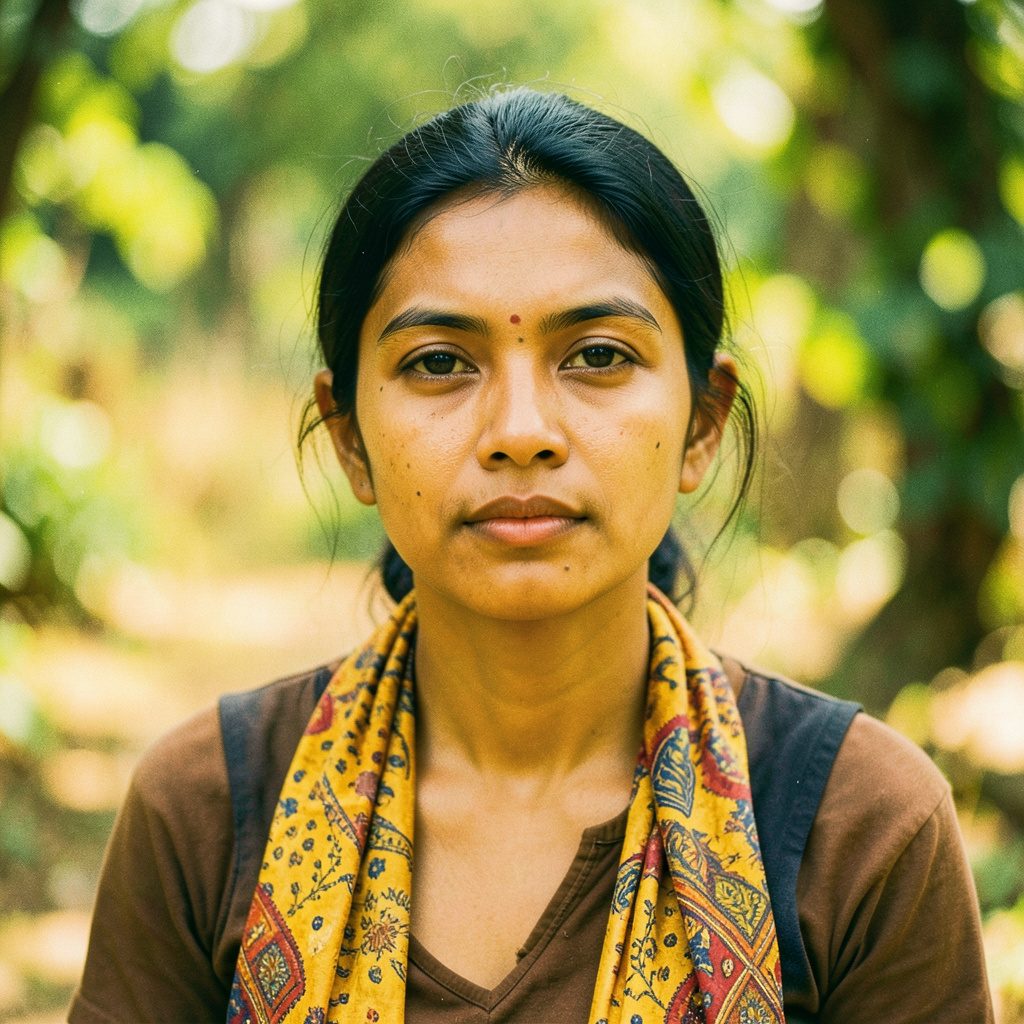
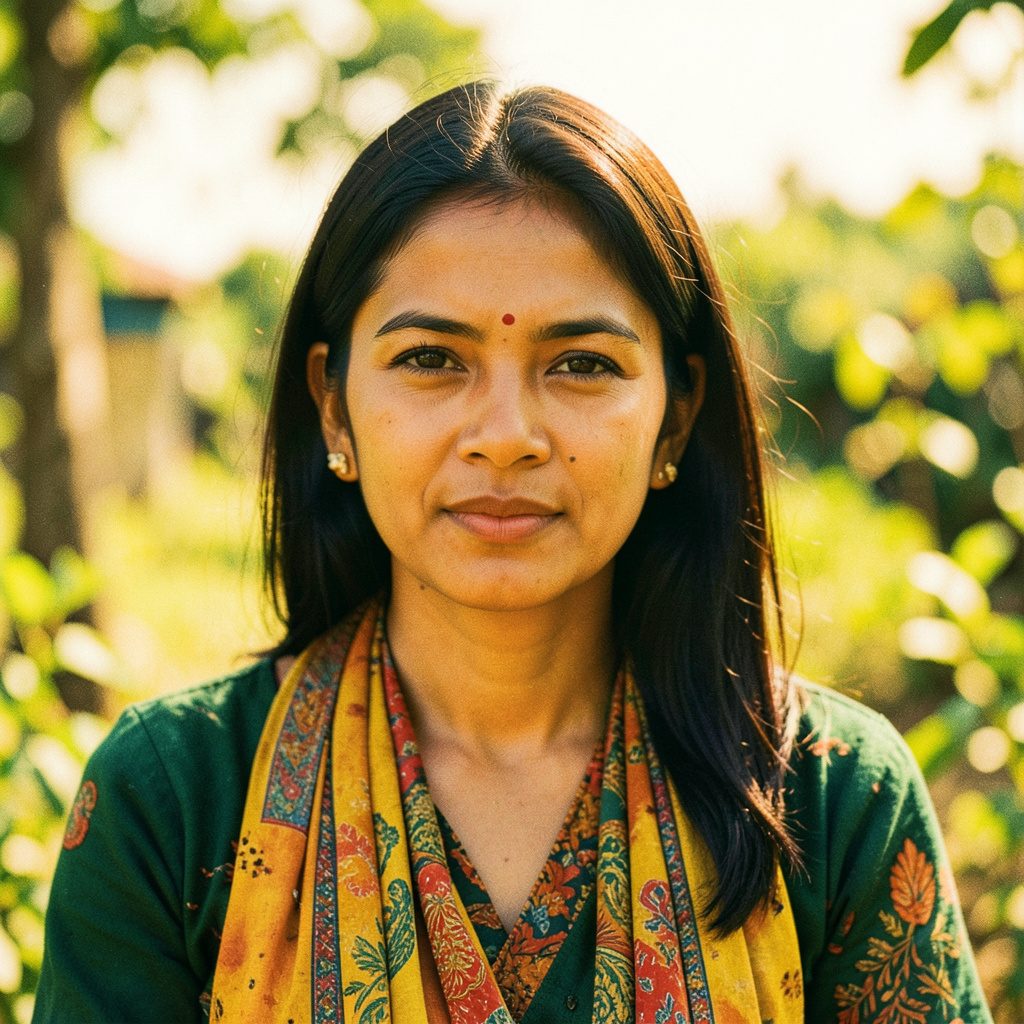
- Choosing a patterned scarf as a first step into woven textiles
- Matching one accent colour with shoes, jewellery or a handbag
- Using relaxed tailoring to balance a formal silk garment
Practical details can make the outfit easier to wear in Australia:
- Select breathable cotton, linen or lightweight silk for warm weather
- Add a blazer, knit or coat for Melbourne’s cooler conditions
- Choose secure footwear for festivals and city walking
- Check the care instructions before investing in handwoven fabric
At an Australian wedding or community celebration, a full traditional outfit may be appropriate and meaningful. For everyday styling, a smaller textile element can offer flexibility while still acknowledging its source. The key is to learn what the garment represents and avoid presenting a culturally significant piece as a vague exotic accent.
Editorial Images And Cultural Continuity
Photo archives are valuable because they preserve more than a garment. A portrait can record how a model wears a longyi, how a blouse is fastened, how jewellery is arranged and how traditional fabric is placed within a modern setting. Across magazine covers and fashion shoots, these details reveal changes in taste while keeping older visual traditions visible.
Myanmar models also shape the meaning of the clothes through posture and presence. A confident pose can turn a formal textile into a statement of contemporary identity, while a softer portrait may emphasise craftsmanship and heritage. Hair, makeup and set design contribute to the message, but the textile remains connected to the person wearing it rather than functioning as a detached prop.
For audiences outside Myanmar, including readers in Australia, context matters. Appreciation begins with recognising that a pattern may carry regional, family or ceremonial significance. It continues through responsible sourcing, accurate language and attention to the makers behind the cloth. Viewing model photography in this way creates a richer understanding of style than simply labelling an outfit as colourful or exotic.
The enduring appeal of these looks comes from their ability to hold two ideas together: continuity and change. Traditional patterns provide memory, technique and identity; modern cuts provide movement, versatility and new settings. What the reader should remember is that the most compelling outfit does not erase its heritage—it gives that heritage room to move.