Exploring the Elegance of Myanmar Traditional Longyi in Modern Fashion
For decades, the longyi has woven itself into the daily rhythm of Myanmar life, worn from the bustling markets of Yangon to the quiet villages of Shan State. Now this elegant wrapped garment is stepping into a new conversation, photographed in studios, styled on runways, and reinterpreted through the lens of contemporary fashion editors. Australian readers curious about how a traditional Burmese textile can cross into Western wardrobes will find a rich story unfolding across street style, resort wear, and editorial shoots.
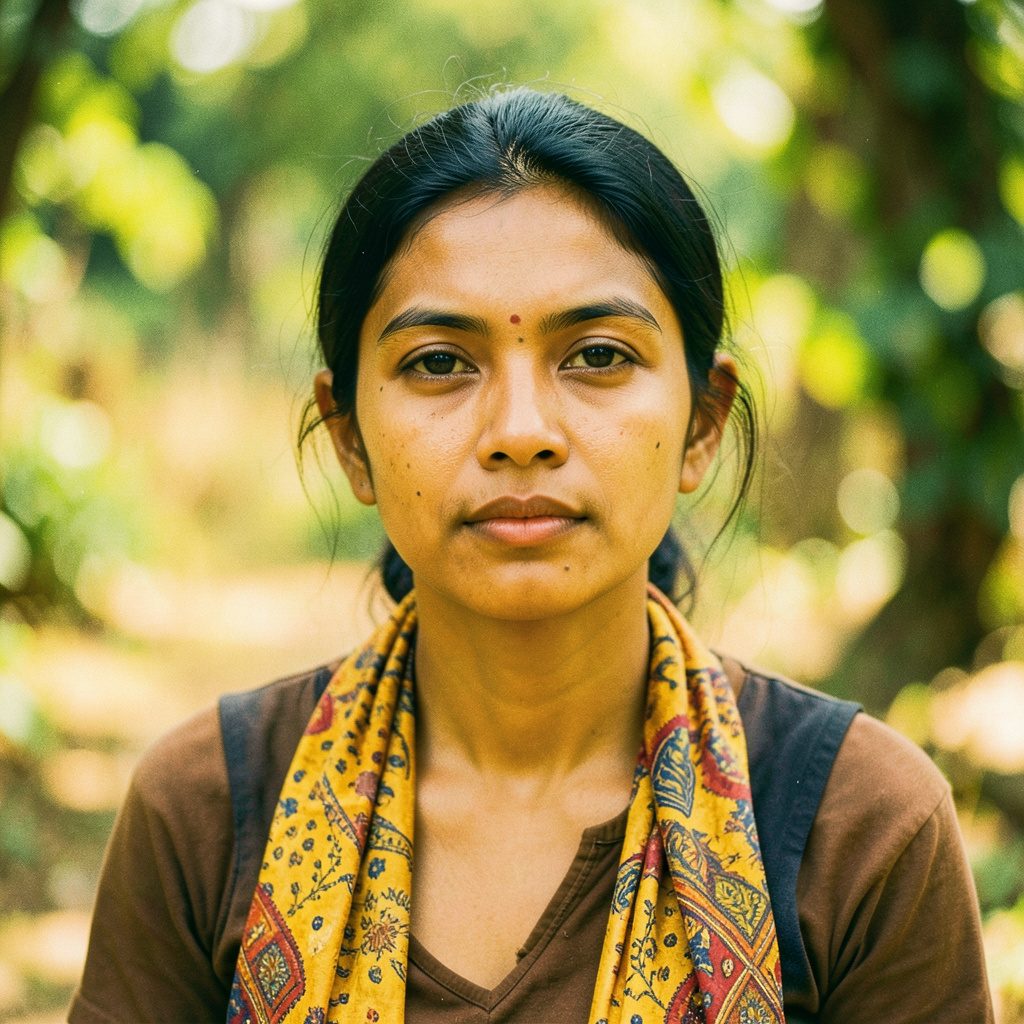
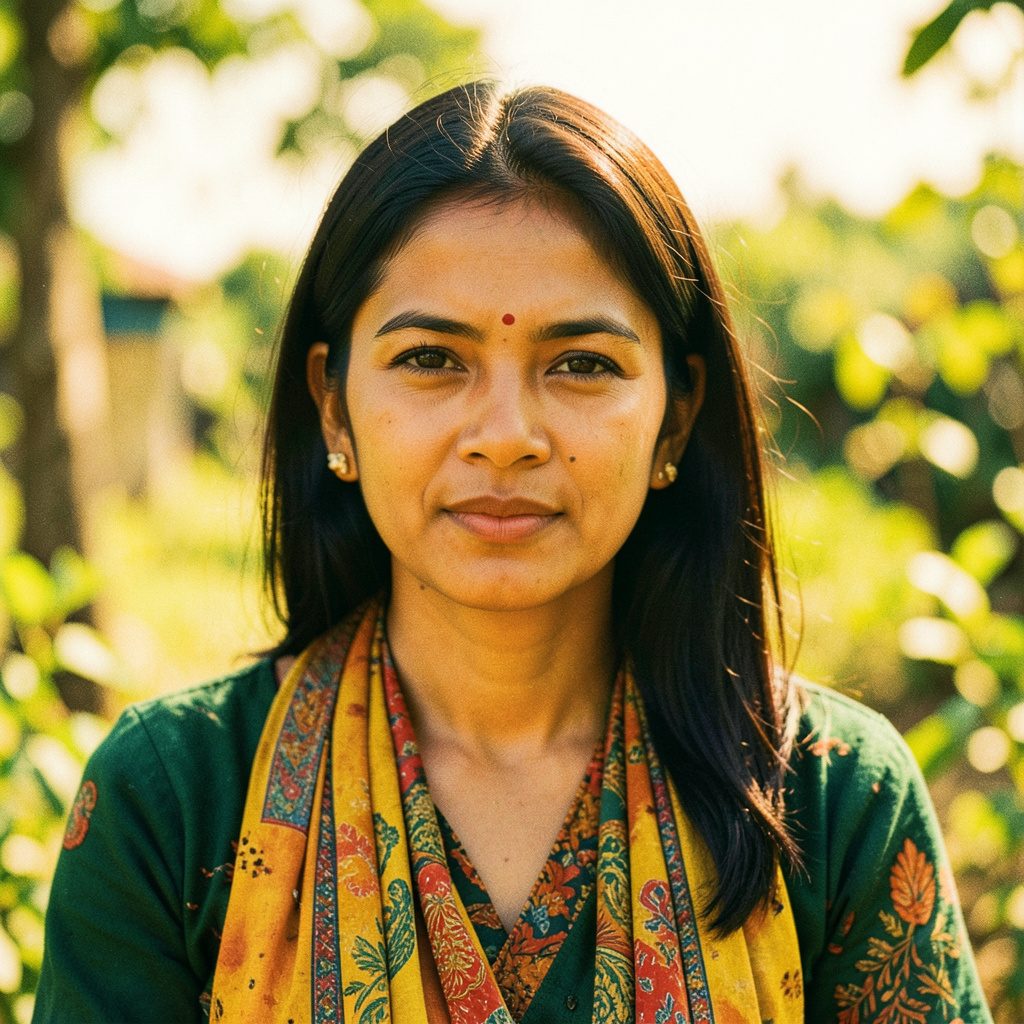
The shift from ceremonial dress to everyday statement piece has accelerated as multicultural communities around cities like Sydney and Melbourne embrace fabrics that carry meaning. Photographers and stylists working with collections like those featured on myanmar-model.net are documenting how the longyi's drape, knot, and colour palette translate beautifully into modern portraiture. That visual archive keeps growing, offering inspiration for designers, students, and curious shoppers alike.
What makes this garment quietly revolutionary is its blend of utility and artistry. A longyi can be tied in under thirty seconds, adjusted on the go, and worn through both humid afternoons and cooler evenings. That flexibility explains why it has crossed borders and survived centuries, finding fresh audiences in places far removed from the Irrawaddy basin.
Readers looking for visual references, historical context, and styling cues will find that the conversation around the longyi is more layered than a single trend report can capture. Each section below approaches the topic from a different angle, drawing connections between cultural roots, craftsmanship, and contemporary reinterpretation. By the end, the longyi appears less as an exotic curiosity and more as a deeply considered garment with global relevance.
| Region | Common Longyi Style | Typical Fabric | Cultural Notes |
|---|---|---|---|
| Central Myanmar | Taungtha | Handwoven cotton | Strong vertical stripes, everyday wear |
| Shan State | Yaw | Silk or cotton blends | Worn in cooler highland weather, slightly thicker |
| Rakhine Coast | Checked cotton weave | Light cotton | Brighter checks, suited to humid coastal heat |
| Mon Region | Plain silk | Mulberry silk | Reserved for ceremonies and weddings |
Historical Roots and Cultural Meaning of the Longyi
The longyi predates modern Myanmar by several centuries, evolving from older wrapped garments mentioned in early Mon inscriptions. Both men and women wear it, though the knotting technique often signals gender — men's longyi, called paso, is tied in front, while women's, called htamein, gathers neatly at the side. Across regions, the way the cloth falls carries social cues, revealing everything from marital status to participation in particular ceremonies.
In rural villages, a longyi traditionally identifies the wearer's community through its weave, colour, and stripe pattern. Weavers in places like Amarapura and Meikhtila pass down loom patterns that date back generations, with villages becoming quietly famous for specific textile motifs. Each community guards those designs the way Italian tailoring houses guard a signature cut.
Yet the longyi has never been locked away as a museum piece. Cambodians, Thais, and Sri Lankans maintain their own wrapped-skirt traditions, but Myanmar's version retains a particular openness to reinterpretation. That openness helped it survive colonial rule and the isolation of later decades, emerging intact and ready for cross-cultural exchange when designers finally took notice abroad.
Fabrics, Patterns, and Craftsmanship
A traditional longyi is built around a single seam-free tube of cloth, which means the loom itself defines the entire garment's character. Cotton versions breathe well and soften with wear, while silk options like the Burmese silk longyi catch light in a way that photographs beautifully under both natural and studio conditions. Cheaper factory-made alternatives exist, but the textile vocabulary of Myanmar remains grounded in hand-weaving traditions.
Pattern choice often tells the clearest story. Vertical stripes dominate the everyday male paso, while women's htamein can feature checks, plaids, or solid colour fields tied at the waist with a precise knot. Accessories like the silk waistband — sometimes called a bei — add structure and a discreet flash of contrasting colour, especially during weddings and religious festivals.
Australian readers who have wandered through the textile stalls of Paddy's Market in Haymarket, Sydney, or browsed fabrics in Melbourne's Queen Victoria Market will recognise the same joy of hunting for handwoven goods. Small-batch weavers in Myanmar operate on a similar scale, producing pieces that reward close inspection. The slight unevenness of a hand-tied fringe is not a flaw but a signature.
Modern Runways and Editorial Styling
International editors started placing longyi-influenced pieces in shoots after designers like Bibi Russell and Khine Khine Chin brought them to global attention. More recently, stylists in Singapore, Bangkok, and Tokyo have staged collections where longyi drapes mix with structured blazers and minimalist sandals. The garment's geometric simplicity makes it a natural partner for clean-cut tailoring.
Editorial photographers have leaned into the longyi's drape, using long silk versions to create movement across wind-swept coastal shots reminiscent of a Bondi afternoon shoot or a Byron Bay fashion editorial. The fabric holds colour without harsh glare, which translates well into both digital galleries and printed magazine spreads.
Within Myanmar itself, designers are also rethinking the silhouette. A youth-driven movement in Yangon has paired longyi fabrics with denim jackets, sneakers, and casual knits, signalling that the garment no longer belongs only to formal settings. That crossover energy is exactly what draws cross-cultural attention, and photo archives preserve each fresh reinterpretation for designers searching for references.
Australian Stylists and Multicultural Wardrobes
Australia's fashion scene absorbs global influences faster than most, helped along by multicultural suburbs like Cabramatta in Sydney, Springvale in Melbourne, and Fortitude Valley in Brisbane. Local stylists working with clients of Burmese, Thai, and Cambodian heritage often field requests for traditional pieces styled for everything from engagement parties to Friday arvo drinks in Brunswick Street cafés.
For Australians not of Southeast Asian background, the longyi can still feel approachable when styled for relaxed settings. Pairing a cotton version with linen shirts and leather sandals feels right for a hot Melbourne summer's day, while silk longyi layered over tailored trousers produce a striking silhouette at something like Derby Day at Flemington. The garment slides easily between weekday ease and weekend occasion.
Local markets also matter here. Weekend shoppers at the Mindil Beach Sunset Market in Darwin or the Eumundi Markets near the Sunshine Coast have spotted woven wraps from regional Myanmar, sometimes mistaken for sarongs until the seller explains the different knotting tradition. That casual exchange of knowledge helps Australians grow more confident about incorporating the garment into their own wardrobes.
Wearing the Longyi Beyond Ceremonial Settings
The most exciting shift is the one happening in everyday wardrobes, where the longyi is treated less as ceremonial garb and more as a versatile textile. Tourists visiting Inle Lake or Bagan often buy one for comfort alone, then continue wearing it back home through unexpected occasions — a beach afternoon at Noosa, a backyard barbecue in Newtown, or a casual Friday in a Perth office.
Practical considerations matter when first wearing a longyi outside traditional contexts. Choosing the right knot, securing the waistband so it sits evenly, and pairing with a top that balances the volume of the wrap all influence how confident the wearer feels. Most Australian stylists recommend practicing the knot in private first, since a tidier tie photographs better in any casual portrait.
Over time, the longyi becomes less about cultural performance and more about personal taste. The wearer chooses it because the fabric drapes well, because the colours suit a particular mood, or because the garment moves gracefully through a crowded tram in Melbourne or a long walk along Sydney Harbour. Each choice quietly extends a centuries-old textile tradition into a very modern, very Australian rhythm. The thing worth holding onto is simple: a longyi is a garment with logic, history, and the rare ability to look like it belongs wherever the person wearing it decides to stand.