Classic Beauty: The Timeless Portraits of Model Thinzar Wai
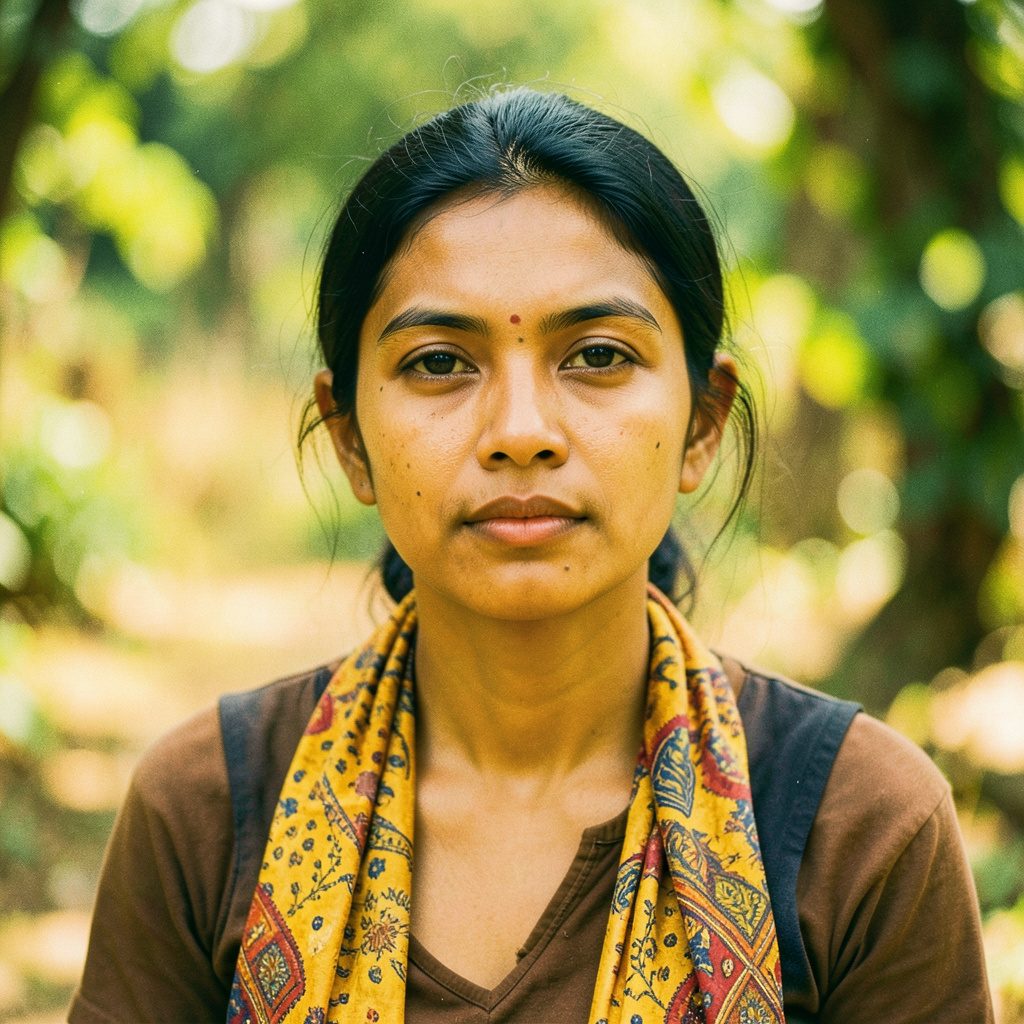
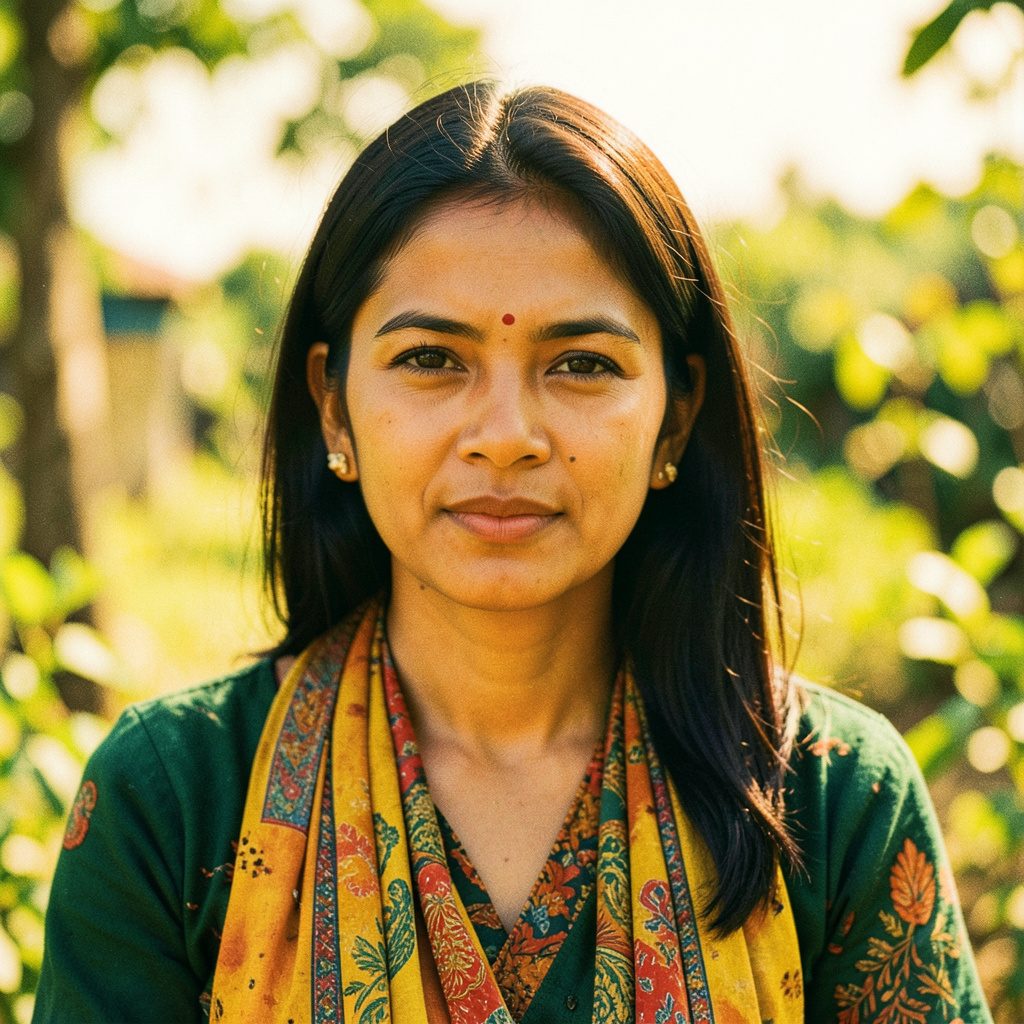
Portrait photography can preserve a particular mood long after a fashion season has passed. In the image collections of Thinzar Wai, beauty is shaped through expression, posture, styling and atmosphere rather than through spectacle alone. Her portraits invite viewers to slow down and notice the small decisions that give a photograph its character.
For audiences in Australia, these images offer a window into Myanmar’s fashion and entertainment culture while remaining immediately accessible as visual stories. Whether viewed from a café in Melbourne, a tram ride across Sydney or a quiet afternoon in Brisbane, the photographs carry a sense of elegance that feels current without being tied to a single trend.
The Power Of A Composed Gaze
Thinzar Wai’s strongest portraits often rely on restraint. A direct gaze can create confidence, while a slightly turned face introduces distance and mystery. These changes may appear subtle, yet they transform the emotional tone of the image. The viewer is encouraged to read the portrait rather than simply register the clothing or setting.
This approach reflects the enduring language of classic portraiture. Clean framing, controlled gestures and carefully balanced lighting allow the model’s face to remain central. There is little need for excessive visual effects when an expression can communicate poise, thoughtfulness or quiet intensity.
The result is especially appealing in an era of fast-moving social media imagery. An Australian viewer accustomed to scrolling through highly edited campaign photographs may find these portraits more intimate. They have the stillness of a framed studio photograph, with enough detail to reward a second look.
Traditional Style And Modern Editorial Grace
A defining quality of Myanmar fashion imagery is the relationship between contemporary styling and traditional dress. Fabrics, draping techniques, jewellery and refined silhouettes can express cultural identity while still belonging to a modern editorial setting. On Thinzar Wai, these elements become part of a visual conversation between heritage and present-day glamour.
Traditional clothing does not appear as a decorative afterthought. The texture of the fabric, the arrangement of a collar or the placement of an accessory can shape the entire composition. A formal look may communicate dignity, while a lighter arrangement can suggest youthfulness and ease. Her modelling gives each outfit a sense of movement, even in a still photograph.
This balance has relevance for Australia’s multicultural fashion market. In cities such as Sydney and Melbourne, designers regularly combine local production with South Asian, East Asian and Southeast Asian influences. Viewers familiar with cultural festivals, textile exhibitions and modest fashion collections can recognise how clothing carries memory as well as style.
Light, Colour And The Portrait Archive
Portrait galleries become more meaningful when they are viewed as a sequence rather than as isolated images. One photograph may emphasise warm skin tones and soft shadows, while the next uses a brighter background to draw attention to a different outfit. Together, the images reveal the range of a model’s presence and the creative choices of the photographer.
Thinzar Wai’s appeal is supported by this variation. A close-up can make her features feel luminous and reflective, while a full-length fashion portrait gives space to the structure of a dress or the rhythm of a pose. The careful use of colour helps distinguish a romantic image from a sharper magazine-style cover.
Photography enthusiasts in Australia may connect this archive with the visual culture of local editorial publishing. A glossy fashion spread from a Melbourne studio, a beauty feature photographed in Sydney or a campaign shaped by the hard coastal light around Perth each depends on similar principles: tonal control, styling discipline and a clear sense of mood. The location changes, but the craft remains recognisable.
Why Timeless Images Continue To Matter
A timeless portrait is not necessarily old-fashioned. It is an image that remains readable after the surrounding trends have changed. Heavy retouching, seasonal colours and recognisable social media poses can date a photograph quickly, whereas a balanced composition and genuine expression tend to endure.
That endurance is evident in the way Thinzar Wai’s portraits can move between different viewing contexts. They may appear as a magazine cover, a promotional gallery or a carefully selected feature on a photo archive. Each format highlights a different part of her public image, yet the underlying qualities of elegance and composure remain consistent.
The value of a visual archive also lies in the details that are easy to overlook. A hand resting against fabric, the angle of a shoulder or the contrast between jewellery and skin may define the mood more strongly than the headline styling. A thoughtful account of what visual details teach can help viewers become more attentive to these choices without reducing the photographs to technical exercises.
A Distinct Place In Myanmar Fashion Culture
Models who work across editorial, beauty and celebrity photography often become visual representatives of a changing cultural landscape. Thinzar Wai’s portraits show how a Myanmar fashion personality can embody polished modernity while remaining connected to local aesthetics. The images feel global in their production values, yet they retain a specific regional character.
That character can be found in the styling, the sense of ceremony and the emphasis on graceful presentation. The photographs do not depend entirely on dramatic poses or revealing fashion to create impact. Instead, they make space for confidence, refinement and the expressive possibilities of the face.
For Australian readers, this distinction is useful when comparing international fashion markets. The relaxed styling associated with Australian streetwear, the practical layers seen during a Melbourne winter or the bright resort influences common in Queensland all shape local ideas of beauty. Myanmar editorial portraiture offers another perspective, one where elegance and cultural continuity are central to the image.
Classic beauty remains compelling because it gives the viewer time to observe. Thinzar Wai’s portraits show how a composed gaze, traditional detail, thoughtful lighting and confident styling can create photographs that outlast a particular campaign or season. They are records of fashion, but they are also records of presence.
When exploring a photo archive, the most rewarding practice is to look beyond the surface: notice the light, study the fabric, compare the expressions and consider how each image reflects its cultural setting. That simple habit turns a gallery into a deeper visual experience and makes timeless portraiture easier to recognise.