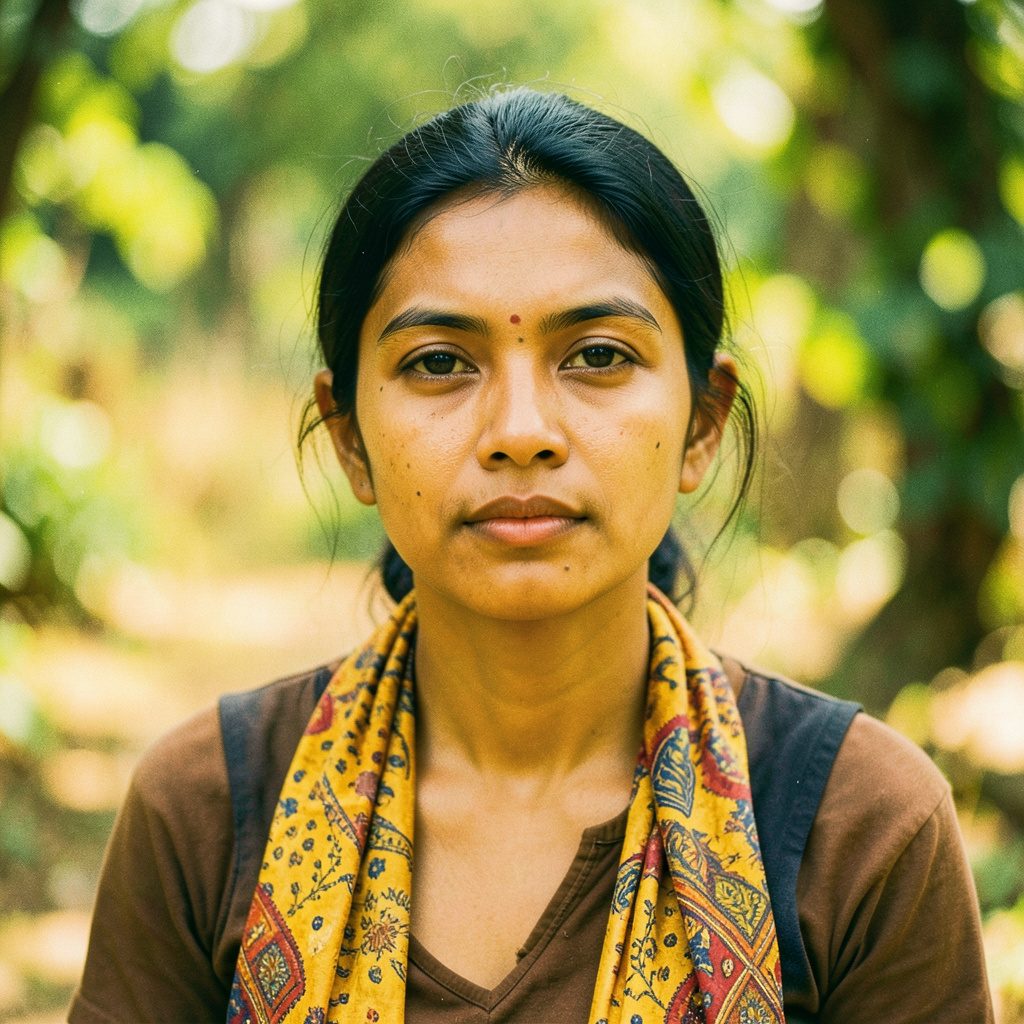
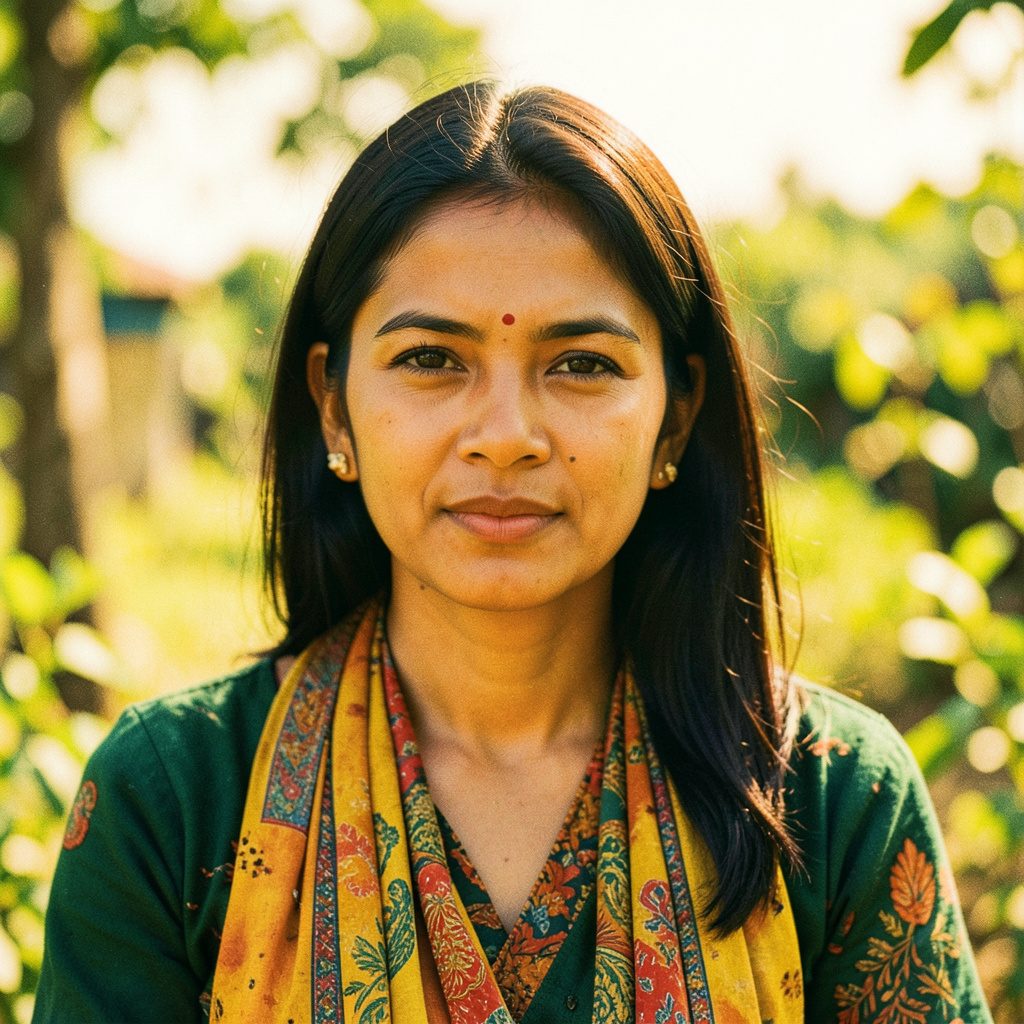
Best Outdoor Locations for Fashion Photography in Myanmar
Myanmar offers an unusually broad visual palette for fashion editorials: ancient brick temples, misty lakes, colonial streets, tropical beaches and highland forests can all appear within one photography brief. The country’s light is especially rewarding at sunrise and late afternoon, when warm tones bring out fabric texture without flattening the landscape.
For Australian photographers, stylists and editorial teams, the appeal is similar to building a shoot across Sydney, Melbourne and regional New South Wales, except the settings change far more dramatically. A practical plan should account for heat, transport, local customs, permits, rain and the pace of working outside major production hubs.
| Location | Visual character | Strongest fashion use | Key practical note |
|---|---|---|---|
| Yangon | Colonial façades, markets and city greenery | Editorial portraits and street-inspired looks | Allow time for traffic and location permissions |
| Bagan | Temple plains, red earth and open skies | Dramatic couture and traditional styling | Shoot early to avoid heat and harsh light |
| Inle Lake | Water, boats, floating gardens and mountains | Fluid silhouettes and resort fashion | Boat logistics affect call times |
| Ngapali Beach | Pale sand, palms and calm coastal light | Swimwear, resortwear and relaxed portraits | Weather and tides need checking |
| Kalaw and Shan State | Pine trees, hills, mist and rural paths | Layered fashion and autumn-inspired editorials | Roads can be slow and winding |
Yangon’s Heritage Streets And Green Spaces
Yangon works well when the brief needs a city setting with a distinctly Southeast Asian atmosphere. Around downtown, weathered colonial buildings, carved balconies, painted shutters and busy pavements provide layered backgrounds for portrait photography. A model in contemporary tailoring can contrast strongly with old masonry, while longyi styling or traditional Burmese textiles can sit naturally within the setting.
The city’s parks and religious compounds offer softer alternatives to the urban grid. Kandawgyi Lake gives photographers reflections, tropical foliage and broad dawn light, while areas near Shwedagon Pagoda create a sense of scale and cultural depth. Clothing should be modest around sacred sites, and crews should confirm photography rules before unpacking equipment.
Yangon’s traffic is a serious scheduling factor, much like planning a Sydney shoot around peak-hour crossings of the Harbour Bridge. A morning call is generally more dependable than a late-afternoon transfer across town, especially when the team is carrying garment bags, reflectors and lighting stands.
Bagan For Monumental Editorial Images
Bagan is one of Myanmar’s most recognisable fashion photography locations, with thousands of ancient temples spread across a wide, dry landscape. The scene suits flowing garments, sculptural silhouettes and editorial styling that depends on strong negative space. Brick walls, sandy tracks and distant pagodas create backgrounds that feel cinematic without needing extensive set dressing.
The most flattering conditions arrive shortly after sunrise and before sunset. Dawn brings cooler air, low contrast and occasional haze, while the final hours of daylight warm terracotta surfaces. Midday can be punishingly bright, with hard shadows and high temperatures that quickly affect both models and crew.
Photographers need to treat the archaeological environment carefully. Do not climb restricted structures, block visitor paths or use fragile temple walls as wardrobe stations. A small crew, quiet equipment setup and clear local coordination will usually produce better images than a large production moving between too many sites.
Inle Lake’s Reflective Water Landscapes
Inle Lake offers a calmer visual language built around still water, wooden boats, floating gardens and distant Shan hills. The location is particularly effective for resortwear, silk garments and flowing dresses, with reflections adding depth to full-length portraits. A seated pose in a traditional boat can also create a strong editorial frame when handled respectfully and with an experienced boat operator.
Early morning is often the most atmospheric period, before the lake becomes busier and the surface loses its mirror-like quality. Mist can soften mountain outlines, while pale sunlight gives skin and fabric a gentle finish. Wind, spray and engine vibration mean that delicate styling and unsecured equipment require extra care.
Boat shoots should be treated as mobile productions rather than simple location walks. Keep camera bodies and spare lenses protected, bring minimal kit, and plan garment changes on land where possible. The timing of transfers can be less predictable than a standard road call sheet, so build in generous buffers.
Ngapali For Coastal Resortwear
Ngapali Beach is suited to clean, sunlit imagery with a relaxed holiday mood. Wide sand, palms, fishing boats and blue-green water can support swimwear, linen, resort collections and casual fashion portraits. The beach also gives a useful contrast to Myanmar’s inland heritage locations, allowing one editorial series to shift from cultural texture to open coastal simplicity.
The strongest beach light comes early or late in the day. Sunrise can be quiet and cooler, while late afternoon offers warmer skin tones and longer shadows. On exposed sand, reflectors can become difficult to manage in wind, so a lightweight setup and an assistant who understands beach conditions are valuable.
Australian teams will recognise the rhythm from a Bondi or Byron Bay shoot, although local access and production resources may be more limited. A stylist should pack backup pieces, clips and protective covers rather than assuming a nearby fashion supplier can replace damaged garments at short notice.
Highland Forests Around Kalaw
Kalaw and the surrounding Shan State hills bring pine forests, red soil, vegetable fields and misty tracks into the frame. These settings are well suited to layered looks, knitwear, structured jackets and earthy colour palettes. The cooler climate can also make a long outdoor session more comfortable than working on the Bagan plains or a tropical beach.
The landscape changes quickly as roads rise and clouds move across the hills. Overcast conditions can create flattering, broad light, while breaks in the cloud produce striking highlights through the trees. Footwear deserves attention because paths may be muddy, uneven or slippery after rain.
A practical wardrobe can include versatile activewear layers beneath editorial pieces when the team must walk between locations or carry clothing over longer distances. Those base layers need to remain invisible in the final styling while helping the model stay comfortable during changes in temperature.
Styling And Light For Myanmar Conditions
Outdoor fashion images depend as much on preparation as on scenery. Tropical humidity can affect hair, makeup, paper goods and electronic equipment, while dust can settle quickly on shoes and hems. Use breathable fabrics, secure loose accessories and carry blotting materials, lint rollers, umbrellas and sealed storage for memory cards.
A compact kit is easier to manage across temples, boats and hill tracks. The following essentials cover many location-based shoots:
- Diffusion fabric for hard tropical sunlight
- Spare footwear for dusty or muddy ground
- Portable fans, towels and drinking water
- Weatherproof bags for cameras and garments
Colour choices should respond to the setting rather than compete with it. Deep indigo, saffron, ivory and muted green can complement Myanmar’s architecture and landscapes, while highly reflective synthetic fabrics may produce distracting hot spots in direct sun.
For Australian teams, it is worth translating local timing into familiar production language. An “early call” may mean leaving before the first coffee run, and an “arvo” beach session can still become uncomfortable if the humidity remains high. Keep the call sheet realistic, with shade breaks and enough time for makeup resets.
Respectful And Efficient Production Practice
Fashion photography around religious and cultural sites requires more than a visually attractive location. Ask before photographing residents, avoid treating worshippers as background props, and follow instructions about footwear, clothing and restricted areas. Traditional garments should be presented with context and care, especially when images are intended for a public editorial archive.
A simple production checklist can prevent avoidable problems:
- Confirm local photography rules and access fees
- Arrange a translator or local coordinator where needed
- Carry model releases and location permissions
- Check transport, weather and emergency contacts
The local market may not operate like Melbourne’s established studio network or Sydney’s agency-led fashion scene. Equipment hire, specialist styling and rapid replacements can be harder to arrange outside Yangon, so bring critical items from home and allow time for local coordination. Travel insurance, public liability cover and clear payment agreements should be settled before the team departs Australia.
Building A Cohesive Myanmar Editorial
The strongest photo collections usually connect several locations through a consistent idea rather than treating every backdrop as a separate postcard. For example, a series could begin with structured tailoring in Yangon, move into earthy resortwear at Inle Lake, then finish with relaxed linen beside the sea. Repeating one colour, textile or accessory can give the gallery a clear visual thread.
A model’s movement should respond to the environment. Still, direct portraits suit temple courtyards and colonial streets; walking frames work on open plains; and softer, slower poses feel natural beside water. This approach creates variety while keeping the images useful for a photo-focused publication featuring magazine-style covers, portrait galleries and fashion stories.
Before booking flights, select two primary locations and one flexible backup near the same transport route. Then confirm sunrise times, local access and weather with a Myanmar-based coordinator, and build the first day’s call sheet around a sunrise portrait session.