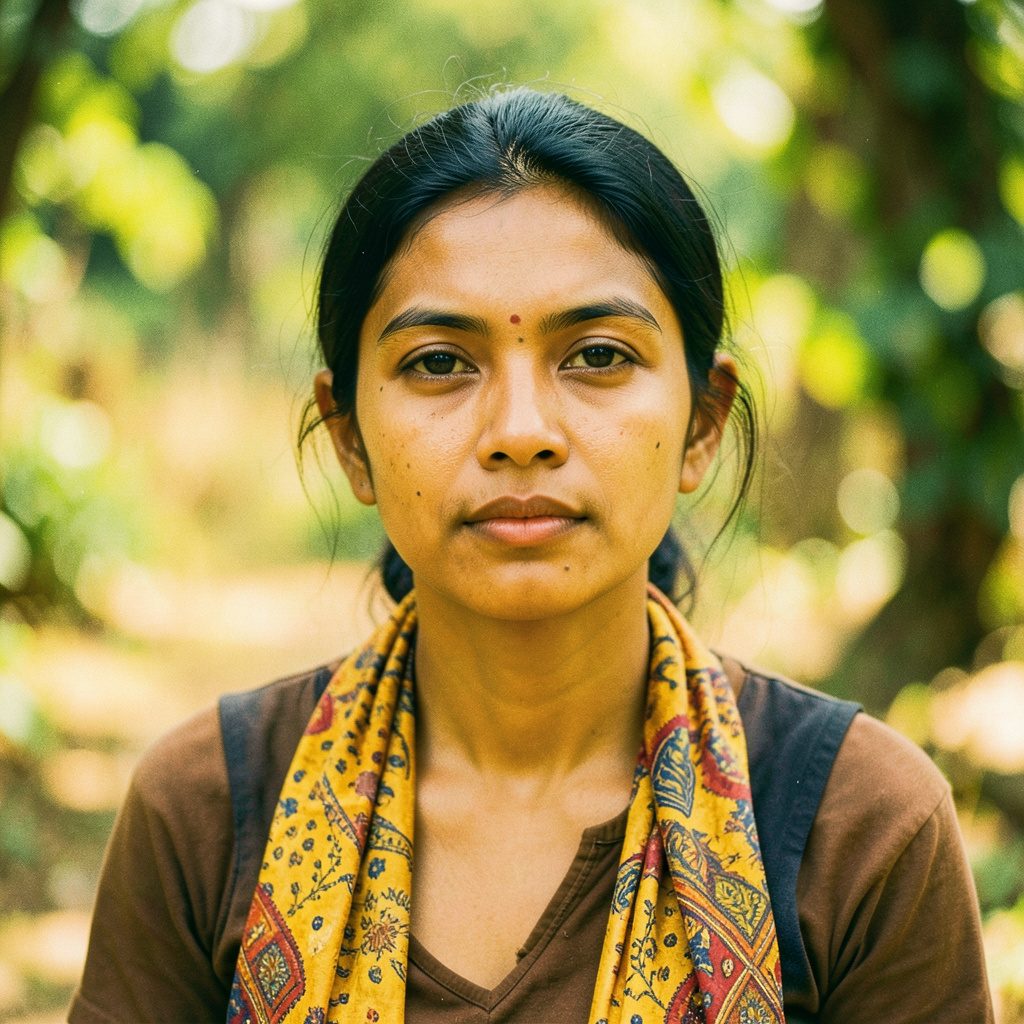
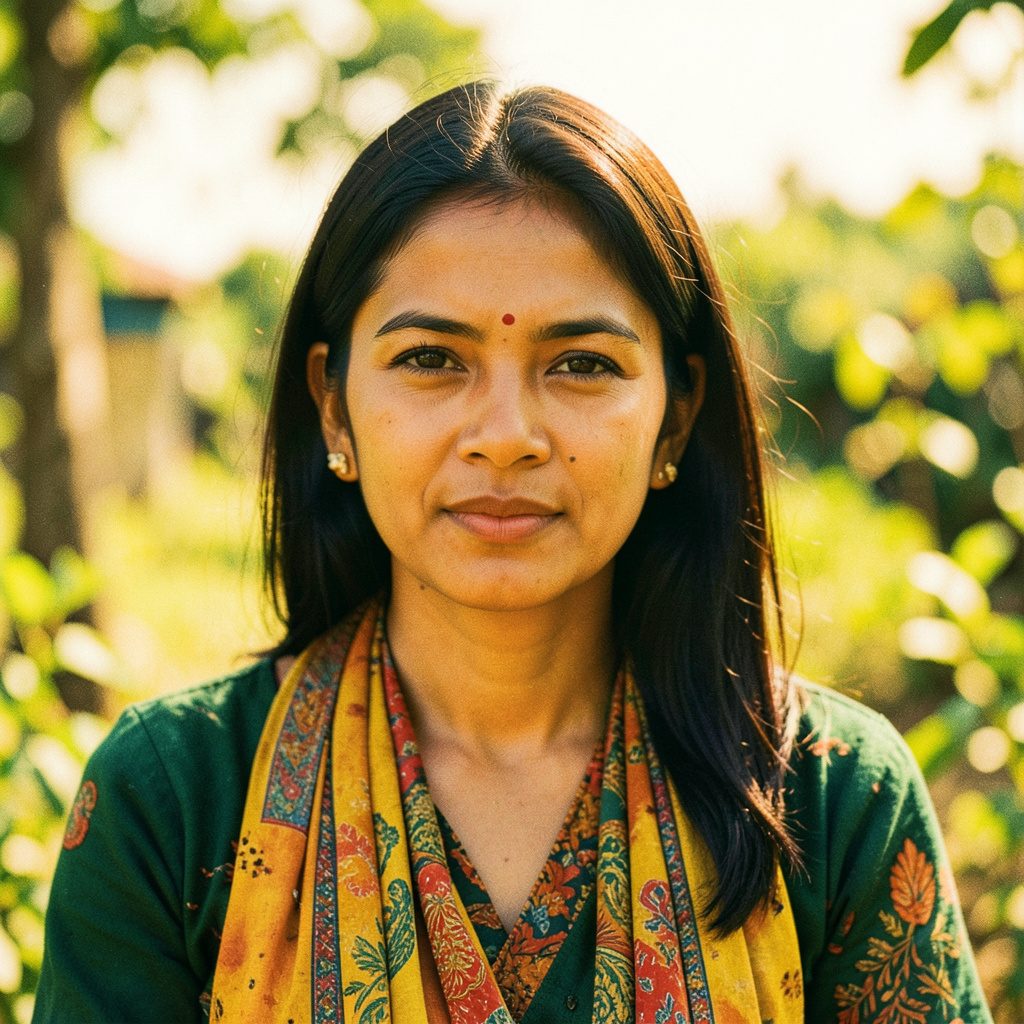
Behind the scenes of a cover shoot with model May Kha
Few moments in a model's career generate as much anticipation as the day a magazine cover is shot. The hours of preparation, the rapid decisions on set, and the quiet concentration of the photographer all converge into a single image that will be judged by thousands of readers. For May Kha, one of Myanmar's most promising faces in editorial fashion, landing her first major cover represents the culmination of years of casting calls, test shoots, and steady portfolio building.
Australian readers familiar with the polished pages of InStyle Australia or Harper's Bazaar Australia will recognise the rhythm of a high-end cover shoot immediately. The pace is relentless, the team is compact, and every detail, from the drape of a sleeve to the fall of light across a collarbone, is negotiated in real time. May Kha's recent collaboration brought together a creative team with experience in both Yangon and Sydney studios, giving the project a distinctly cross-cultural energy.
The shoot itself was ambitious in scope, aiming to blend traditional Myanmar aesthetics with the clean, confident visual language favoured by contemporary international glossies. Set against a minimalist backdrop in a converted warehouse, the production leaned on natural light and textured fabrics to keep the imagery feeling both modern and rooted. Throughout the day, May Kha moved between three wardrobe changes, each one signalling a different facet of her range as a performer in front of the camera.
What follows is a walk-through of the production, from the earliest mood boards to the final image selection. The team has shared insights into the choices that shaped the day, including the makeup formulations chosen for Australia's notoriously humid coastal conditions, which informed how the artists approached long-wear coverage for the outdoor frames.
The creative vision and mood board
Every successful cover begins with a mood board, and the team behind May Kha's shoot spent two weeks refining theirs before stepping on set. The director, a Melbourne-based creative who splits time between fashion weeks in Sydney and Bangkok, pulled references from 1990s Helmut Newton editorials alongside modern Burmese portraiture. The goal was to capture a mood that felt editorial but not cold, confident but not aggressive.
Key elements pinned to the board included:
- Soft, diffused window light reminiscent of golden hour in the tropics
- A restrained colour palette of ivory, charcoal, and muted gold
- Poses that emphasised the line of the neck and shoulder
- A single prop arrangement of dried palm leaves to anchor the set
The mood board was printed in A3 and taped to the studio wall, visible to every department throughout the day. This approach is standard practice on Australian productions, where art directors often insist that the reference imagery stay in plain sight to prevent any drift from the agreed tone. By keeping the visual target fixed, the team could make faster decisions when the schedule inevitably tightened.
Location scouting and set construction
The search for the right location took the team to three different warehouses across the inner west before settling on a space with north-facing skylights. Australian photographers often favour these high-ceilinged industrial rooms because the overhead glazing produces a quality of light that is difficult to replicate in a traditional studio. The natural falloff from the skylights created soft shadows under the cheekbones, a flattering effect that makeup artists would later enhance rather than correct.
Construction of the set was minimal but deliberate. A textured concrete wall served as the primary background, while a sheer linen curtain was rigged to diffuse the harshest midday rays. The decision to keep the set sparse allowed May Kha's styling and expression to carry the visual weight. As the art director noted during setup, the space needs to feel like it could exist in Yangon or in Surry Hills, somewhere familiar but slightly removed.
Styling, wardrobe, and fabric choices
Wardrobe for a cover shoot is rarely accidental, and the stylist approached the brief with a clear hierarchy of looks. The first frame required a traditional htamein top paired with contemporary tailored trousers, creating a dialogue between heritage and modernity. The second look introduced a sculptural blazer in raw silk, chosen for the way it caught the light along the lapel. The final outfit, a fluid ivory gown with a low back, was reserved for the cover frame itself.
The most striking pieces pulled for the day were:
- A hand-embroidered collar piece sourced from a Yangon atelier
- A pair of architectural gold earrings from a Melbourne designer
- Vintage leather loafers to ground the tailored looks
- A single silk scarf, used as both a styling accent and a practical tool for softening harsh reflections
Each garment was steamed twice and checked for loose threads before May Kha stepped in front of the camera. The stylist kept a small sewing kit and a steamer on hand throughout the day, a habit learned from working on rushed commercial sets where garments often arrive with minimal preparation.
Makeup artistry and hair design
For the makeup team, the challenge was longevity under the studio lights and the possibility of outdoor frames. Australia's high UV index and humid conditions, even inside a warehouse, can cause foundation to break down faster than in cooler climates. The lead artist built the base using a silicone-based primer layered with a light-coverage serum foundation, allowing the skin to retain a natural sheen while still evening out the under-tone.
Eye makeup was kept editorial rather than dramatic, with a wash of warm bronze across the lid and a thin line of espresso along the lash line. Because May Kha has hooded eyes similar to many Southeast Asian features, the artist took extra care with the placement of shadow, drawing the colour slightly above the natural crease to ensure the shape read clearly on camera. For readers interested in the technical side of working with hooded lids, preventing eyeshadow creasing offers a detailed breakdown of the techniques used on set and the products that performed best in the heat.
Hair was styled in a low, side-parted chignon for the first two looks, then released into soft, brushed-out waves for the final frame. The hair team used a combination of sea salt spray and a lightweight oil to keep the texture looking lived-in rather than finished, a deliberate choice to offset the precision of the clothing.
The shoot day and on-set rhythm
The day began at seven in the morning with a team breakfast of strong coffee and Thai-style congee, a small touch that kept the energy grounded. By eight-thirty, May Kha was in the chair for hair and makeup, and the first test frames were being captured by nine-forty-five. Australian productions often run on a tight call sheet, and this one was no exception, with each look allocated roughly forty-five minutes including wardrobe changes and lighting adjustments.
The photographer worked tethered to a laptop, reviewing frames every few minutes and calling out micro-adjustments to the lighting assistant. May Kha, for her part, brought a quiet focus to the set, listening carefully to direction but also offering her own interpretations of the poses. Between setups, she would review the takes on the tethered monitor, a practice that helps models understand the visual story being built and adjust their energy accordingly. The atmosphere was professional but warm, with the director playing a mix of indie rock and Burmese classics through a small Bluetooth speaker to keep the mood relaxed.
Post-production, retouching, and the final reveal
Once the final frame was captured, the work shifted to the digital team. The raw files were backed up twice, then colour-graded in Capture One to bring the warmth of the natural light into alignment with the magazine's print profile. Retouching was kept minimal, a deliberate aesthetic choice to preserve the texture of the skin and the slight asymmetry that makes a face recognisable on a crowded newsstand.
The art director and editor-in-chief reviewed the selects the following morning, narrowing the options down to three finalists before settling on the cover image. The chosen frame captured May Kha mid-laugh, her eyes slightly downcast, a moment of unguarded expression that the team felt conveyed both confidence and approachability. Within forty-eight hours, the image was sent to the magazine's Sydney-based production team for layout and print preparation.
For those curious about the editorial team behind the project and how the site approaches its coverage of Myanmar fashion talent, the about-us page offers further context on the publication's mission and the photographers it works with. The cover officially hit stands earlier this month and is already generating conversation across fashion forums in Yangon, Bangkok, and Melbourne.
The takeaway from a day like this is that a cover image is rarely the product of a single inspired moment. It is the result of dozens of small, careful decisions, each one made under the pressure of a ticking clock. May Kha's shoot succeeded because every member of the team understood their role and trusted the process, a reminder that strong editorial work is always collaborative.