Behind the Scenes of a High-Fashion Editorial Shoot in Yangon
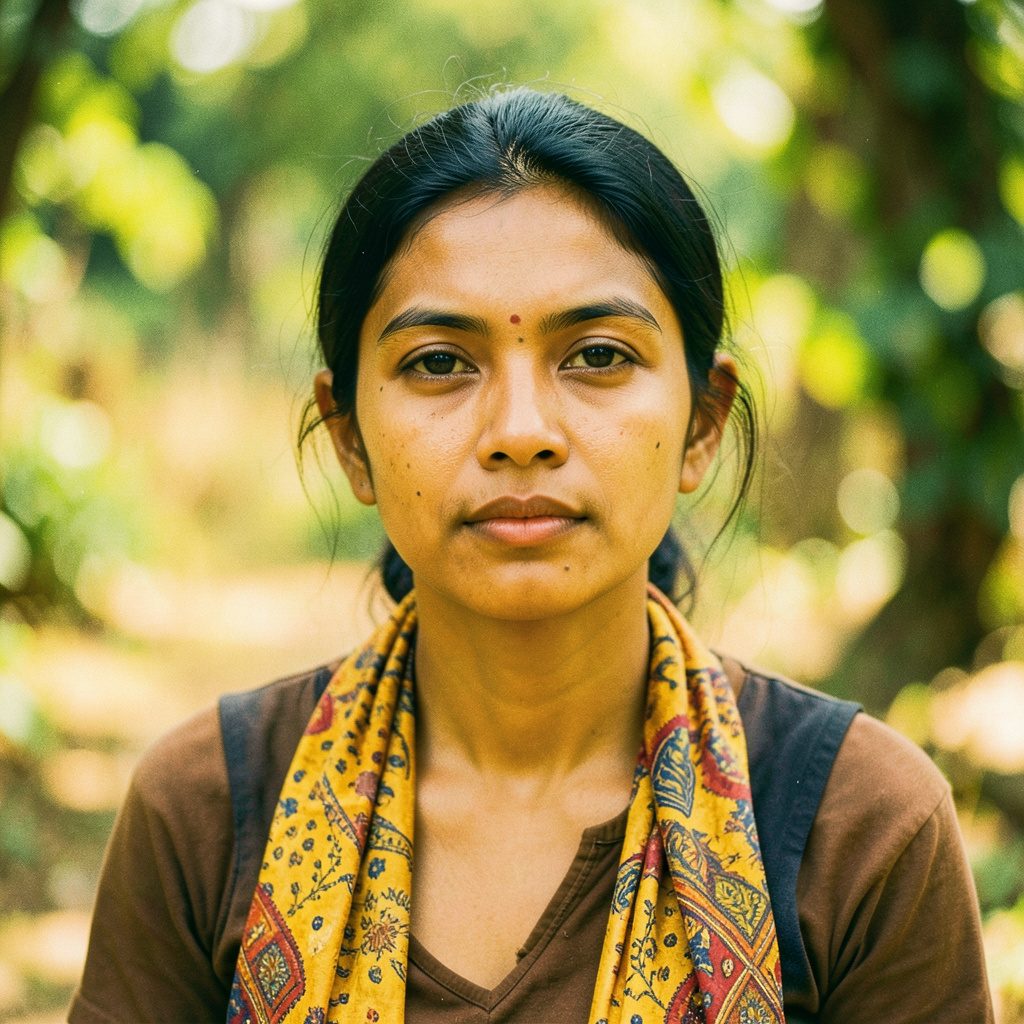
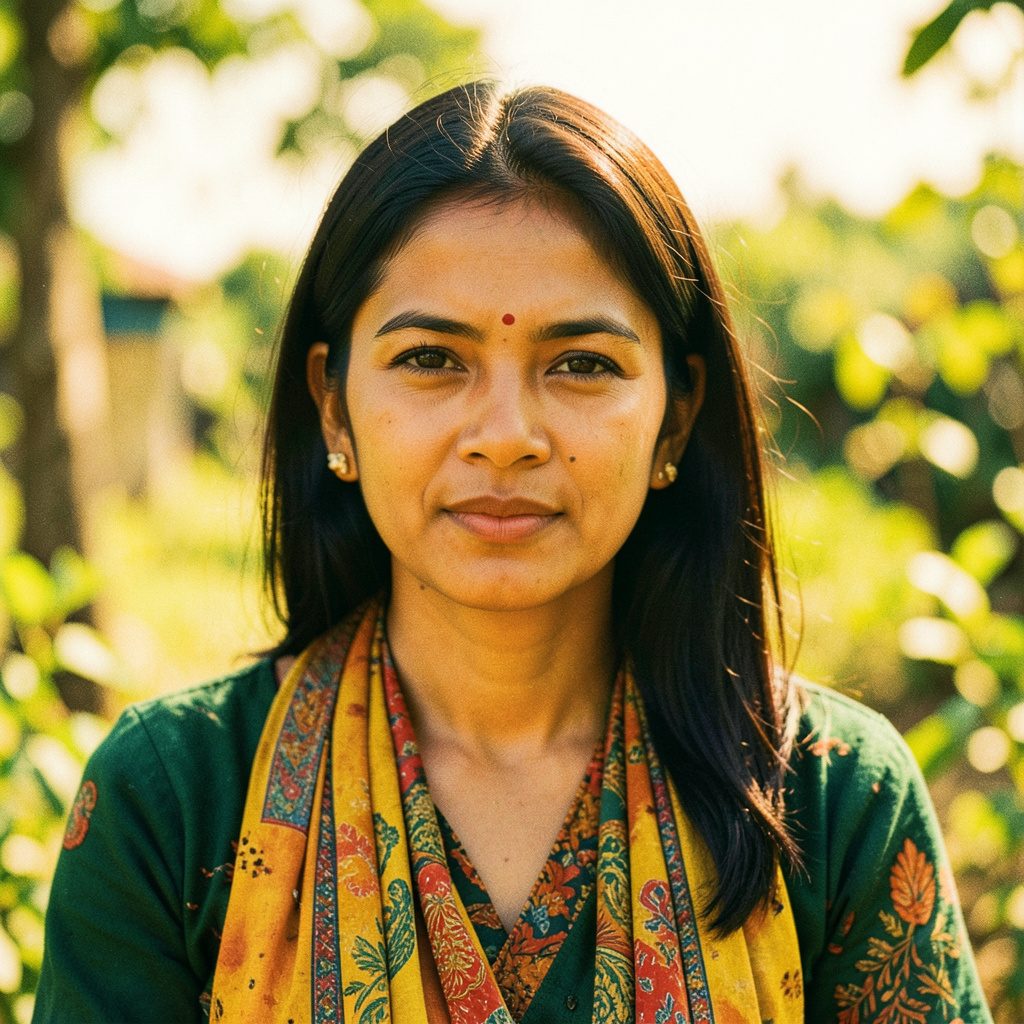
A high-fashion editorial shoot in Yangon is built from many small decisions: the angle of afternoon light, the movement of a silk longyi, the sound of traffic beyond a studio wall and the quiet concentration of a model between frames. The finished gallery may look effortless, yet each portrait reflects careful preparation, collaboration and a strong sense of place.
For readers in Australia, the appeal reaches beyond fashion. Like a well-produced shoot in Sydney’s Surry Hills or Melbourne’s Fitzroy, a Yangon editorial brings together styling, beauty, set design and image-making. Its difference lies in the visual language: Myanmar textiles, local architecture, warm weather and a cultural rhythm that gives every photograph its own atmosphere.
Building The Visual Direction
The process usually begins with a moodboard rather than a rack of clothing. The creative team gathers references for colour, poses, makeup, fabric and location, then narrows them into a coherent story. A portrait series might move from polished studio lighting to a more natural street mood, while maintaining the same palette across every frame.
High fashion does not always require extravagant clothing. A structured jacket, handwoven fabric or traditional blouse can become the centre of the image when styling is restrained. The aim is to show how a garment behaves in light and motion, rather than filling the frame with unnecessary detail. This approach works especially well for photo archives, where readers may compare several looks from the same session.
The visual research can also include typography, colour combinations and regional design references. A small online source such as design status ideas may help a team consider how short phrases, graphic shapes or saturated colours could influence a cover concept, even when the final shoot remains focused on fashion photography.
Choosing Yangon As The Set
Yangon offers a changing backdrop within a relatively compact city. Colonial-era buildings, painted shutters, quiet courtyards and modern interiors can appear in the same editorial, giving the photographer several moods without travelling far. A weathered wall may provide texture for a close portrait, while a bright hotel room can create a clean magazine-cover aesthetic.
Timing matters because tropical daylight shifts quickly. Early morning can bring soft shadows and less traffic, while late afternoon gives skin a warm glow that suits traditional fabrics. Rain is another practical factor. A sudden downpour can delay an outdoor sequence, yet wet streets and reflective pavements may produce some of the strongest images of the day.
The team also needs to respect the location. A public space is not simply a free studio, and a crowded street can affect both the model’s concentration and the safety of equipment. Production assistants manage passers-by, cables, garment bags and transport while the photographer watches for fleeting moments of useful light.
Styling Hair Makeup And Clothing
Styling begins long before the model steps in front of the camera. Garments are steamed, pinned and checked for movement. Jewellery is selected for how it catches light, while shoes and accessories are considered from the viewpoint of the full editorial sequence. A single change in neckline or sleeve position can alter the balance of a portrait.
Makeup for a fashion story often has to survive heat, long hours and repeated outfit changes. Skin preparation is important in humid conditions, and the beauty team may use lighter layers that remain natural under strong lighting. Hair can be kept sleek for a formal image, then loosened for a softer frame without making the transition feel disconnected.
Traditional clothing requires particular care. The styling should present its shape and craftsmanship clearly, without treating cultural details as decoration. When a model wears a longyi or another heritage garment, the photographer needs to understand how it drapes, folds and moves. Respectful direction allows the clothing to remain authentic while still fitting a contemporary editorial setting.
Directing The Model Between Frames
A professional model’s work involves much more than standing still. Small shifts in the chin, shoulder or hands can change the emotional tone of an image. The photographer may give simple instructions—slow down, turn towards the window, relax the mouth—then allow the model to interpret them rather than forcing a rigid pose.
The strongest frames often happen between formal directions. A model adjusts an earring, looks away from the lens or pauses after a change of outfit. These unplanned gestures create a sense of life in a portrait gallery and stop the images from feeling like a sequence of identical catalogue poses.
Communication is central, especially when the production includes a mixed local and international crew. Clear references, demonstrations and respectful feedback keep the set efficient. In Australia, a photographer might call for a quick “re-set” or ask everyone to take five; in Yangon, the same practical spirit applies, though the language and working customs may differ.
From Contact Sheets To Online Archive
After the shoot, the creative work continues through file selection and retouching. Contact sheets help the team compare expressions, posture, fabric detail and consistency across the series. Retouching should polish the image without removing the qualities that make the model recognisable, including natural skin texture and distinctive features.
The final gallery also needs useful organisation. Model names, tags, latest posts and popular collections help visitors move through an image archive rather than encountering isolated photographs. This is familiar to Australian audiences who browse independent fashion publications, photographer portfolios and digital editions linked to markets such as Sydney, Melbourne and Brisbane.
Digital publishing can place fashion photography beside broader entertainment material. A reader exploring an archive may encounter a separate feature about a European roulette bonus, for example, but the editorial images still need their own clear context, captions and visual identity. Good categorisation keeps unrelated subjects from weakening the value of the fashion collection.
The Australian market also shapes how such galleries are viewed. Readers may discover a Myanmar model through Instagram, a magazine-cover search or a late-night scroll on a phone, then return to compare older shoots. They expect fast-loading images, direct navigation and enough background to understand the person, clothing and location. A polished archive meets those expectations while preserving the atmosphere of the original session.
A Yangon fashion editorial is ultimately a record of collaboration. The photographer captures light, the stylist builds a visual vocabulary, the beauty team protects continuity and the model gives the clothing its presence. Once the selected images are captioned, tagged and uploaded, the next practical step is to review the gallery in sequence and confirm that every photograph supports the same story.