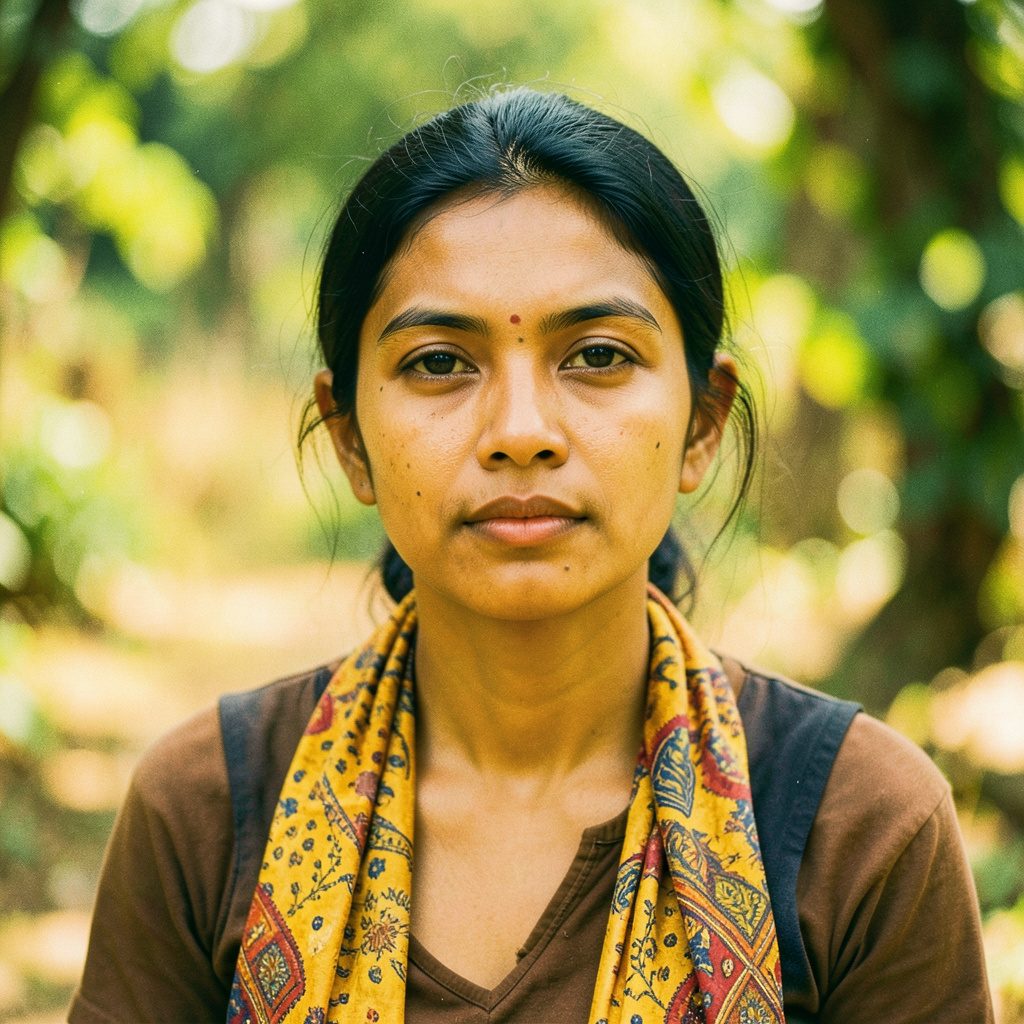
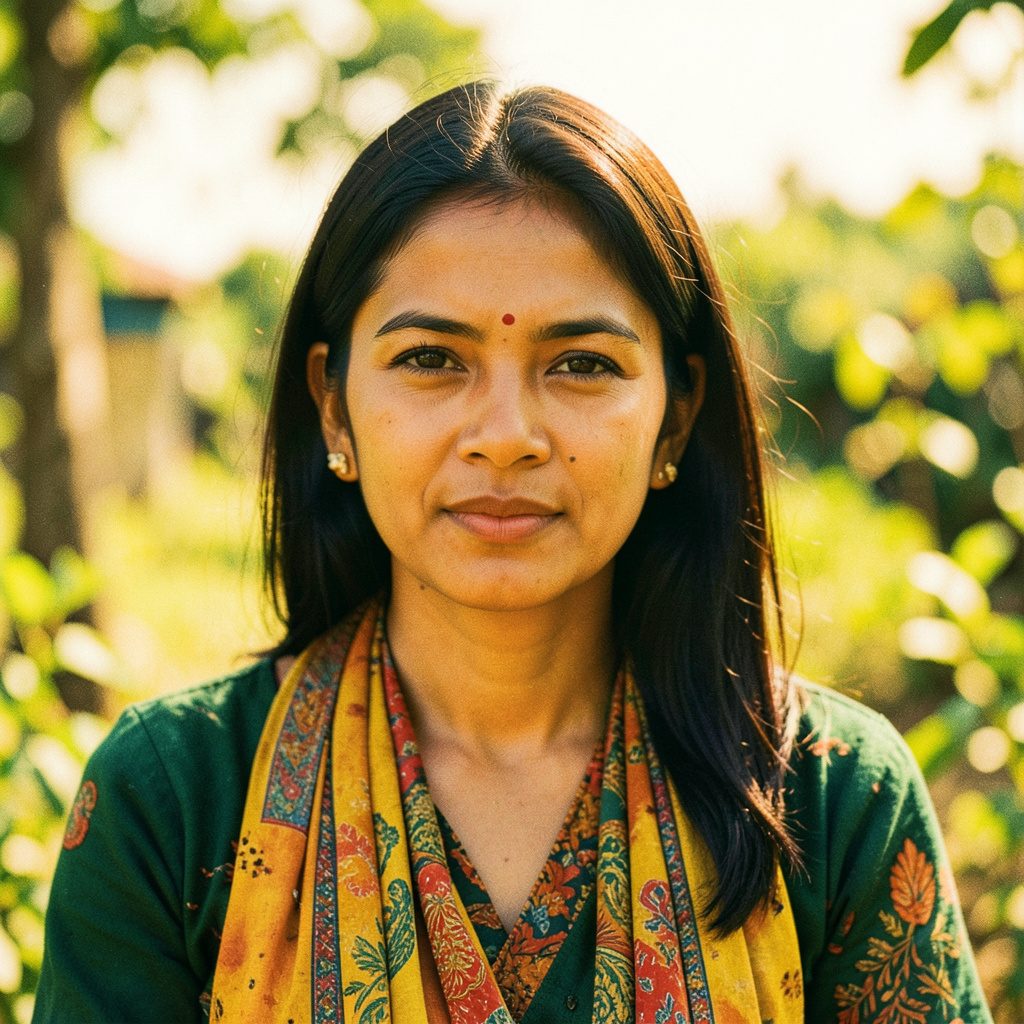
The craft behind a fashion editorial with model May Zin
Behind the scenes of a fashion editorial with model May Zin is a study in timing, trust and controlled accident. A polished frame can depend on a hem being pinned seconds before exposure, a shaft of window light, or a model finding the right angle. The finished picture feels simple, yet the set is built through many small, precise choices.
An editorial featuring May Zin also balances two visual worlds: the recognisable character of Myanmar clothing and the clean rhythm of contemporary fashion photography. Her poses give the garments presence without overpowering them, while styling, location and camera direction turn separate looks into one narrative. That narrative remains visible in a portrait gallery long after the lights, racks and crew are gone.
Building the visual story
The visual brief begins with a mood board rather than a single outfit. References might pair the geometry of a woven longyi with a sharply cut jacket, muted studio colour with deep lacquer red, or a formal portrait with the relaxed posture of street fashion. The aim is to create harmony without making every look deliver the same idea.
From that brief, the photographer and stylist create a shot list. Some frames establish the full silhouette; others isolate texture, jewellery or the line of a shoulder. The team also identifies where a wider composition needs breathing room and where a close crop can carry the mood. This planning protects the pace of the day and leaves space for May Zin’s performance to shape each image.
On set, direction is kept simple and physical. A photographer may lower the camera, ask for a half-turn or invite a small pause before the next frame. May Zin can then adjust her weight and expression until the clothing and composition appear naturally connected. Those subtle changes often separate a generic catalogue photograph from an editorial image with atmosphere.
Wardrobe, hair and posture
Wardrobe fittings are about movement as much as appearance. A traditional htamein or longyi-style drape must be handled so its folds remain deliberate, while a contemporary jacket needs enough room to create a strong line. Shoes are tested on the actual floor, and fabric is checked under the lighting that will appear in the final image, because silk, cotton and matte wool each react differently.
Makeup and hair support the clothes without becoming a separate character. A restrained base, softly defined eyes and controlled hair texture can preserve the dignity of a traditional look while still allowing a modern editorial sensibility. Stylists also keep small adjustments ready between setups, since changing a veil, earring or pin can alter the whole balance of a portrait.
Posture carries equal weight. May Zin’s stance can shift from composed and ceremonial to direct and contemporary in a matter of seconds. The team watches for hands that feel natural, fabric that falls cleanly and an expression that does not compete with the styling. When those elements agree, the photograph feels coherent even if the clothing comes from different influences.
Light, camera and location
Lighting establishes the emotional register before the clothes are fully seen. A broad source softens the edges of a formal portrait, while a narrow beam or harder side light can add depth to a sculptural silhouette. Crews test exposure against the skin and the deepest textile tones, especially where black fabric, reflective jewellery and ornate embroidery sit beside one another.
For photographers working between Sydney and Melbourne, the city itself can become part of the production design. Sydney’s strong coastal daylight may be moderated through a studio or a shaded arcade, while Melbourne’s changeable sky gives a laneway set shifting conditions from minute to minute. A warehouse wall, concrete stairwell or quiet terrace can provide structure without pulling attention away from May Zin.
The camera and digital workflow support those choices. A longer lens can compress the background for a clean magazine-cover portrait, while a wider frame gives an environmental shoot more context. After each setup, the team reviews skin tones, fabric detail and shadow density before moving on. The files are then edited as a family, preserving a consistent visual rhythm across traditional clothing, contemporary tailoring and studio portraiture.
Working within the Australian market
For an Australian audience, the styling must also feel credible within the local fashion market. Independent boutiques and emerging Australian labels compete with international names, so an editorial gains relevance when it acknowledges preferences for adaptable layers, natural textiles and restrained branding. A Burmese ceremonial silhouette can meet a familiar city coat without either one being treated as an afterthought.
Production days in Australia often follow a recognisable rhythm: a weather check, a flat white from the local café, then a train or tram towards the studio or location. Crews plan around daylight, retail traffic and the chance that Melbourne’s cloud cover or Sydney’s heat will reshape the schedule. These ordinary details influence wardrobe changes, call times and the number of usable frames.
Publication has its own Australian framework. Under the Copyright Act 1968, a model release does not automatically transfer image copyright from the photographer, so credits and permissions should be settled before upload. The Australian Consumer Law also shapes commercial captions: claims about where a garment was made must be accurate and supportable. Consent records and privacy obligations remain relevant when contributor details are stored with an archive.
Preserving the editorial after the shoot
Once the final selects are chosen, the work becomes an archive rather than a single finished story. Myanmar-model.net can organise the photographs through model names, traditional dress, fashion shoots and portrait categories, allowing a visitor to move between related images instead of treating May Zin’s gallery as an isolated set. Strong captions add context without crowding out the pictures.
The archive also preserves evidence of the shoot’s visual decisions. A portrait may belong to a magazine-cover sequence, a studio campaign or a gallery built around one garment. Tagging those distinctions carefully helps readers distinguish editorial fashion from unrelated celebrity photography and gives each image a more accurate place within the collection.
A useful archive retains both the polished frame and its production context. The next concrete step is to publish the complete May Zin gallery after the final image credits and usage permissions are recorded.