A Year in Review of Myanmar’s Most Memorable Fashion Moments
Myanmar’s fashion scene has a distinctive visual identity, shaped by local textiles, modern tailoring, expressive beauty looks and the enduring elegance of traditional dress. Across magazine covers, portrait sessions and public appearances, the country’s leading models, actresses and style personalities have continued to balance cultural detail with international fashion language.
For Australian audiences, these images offer a useful window into a market that is both highly visual and deeply connected to heritage. From Yangon studio shoots to polished celebrity editorials, the year’s strongest looks show how Burmese fashion can feel refined, contemporary and unmistakably local.
Editorial Style Finds Its Own Rhythm
The most successful fashion images from Myanmar have a clear sense of atmosphere. Rather than relying on heavy styling alone, many shoots build their impact through lighting, posture, fabric movement and carefully chosen locations. A simple portrait can feel cinematic when a model’s expression, jewellery and background work together.
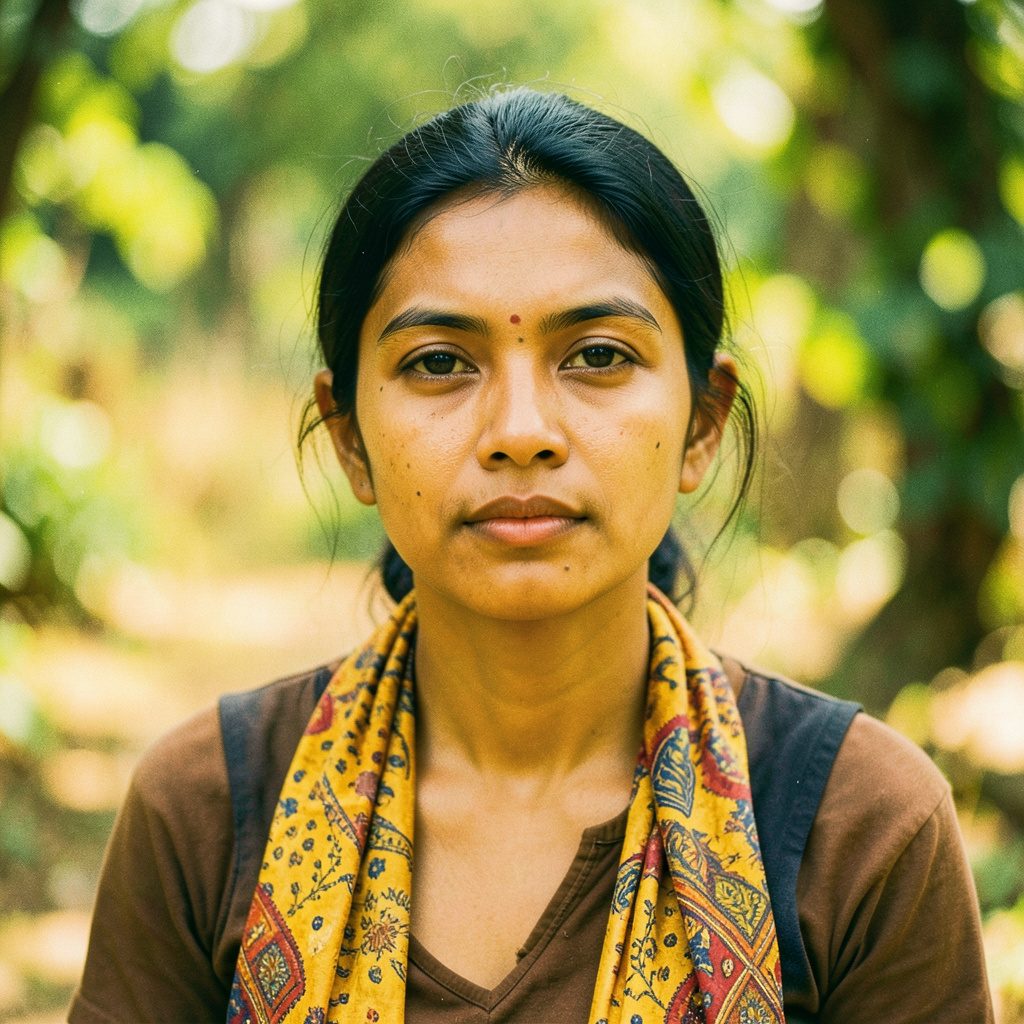
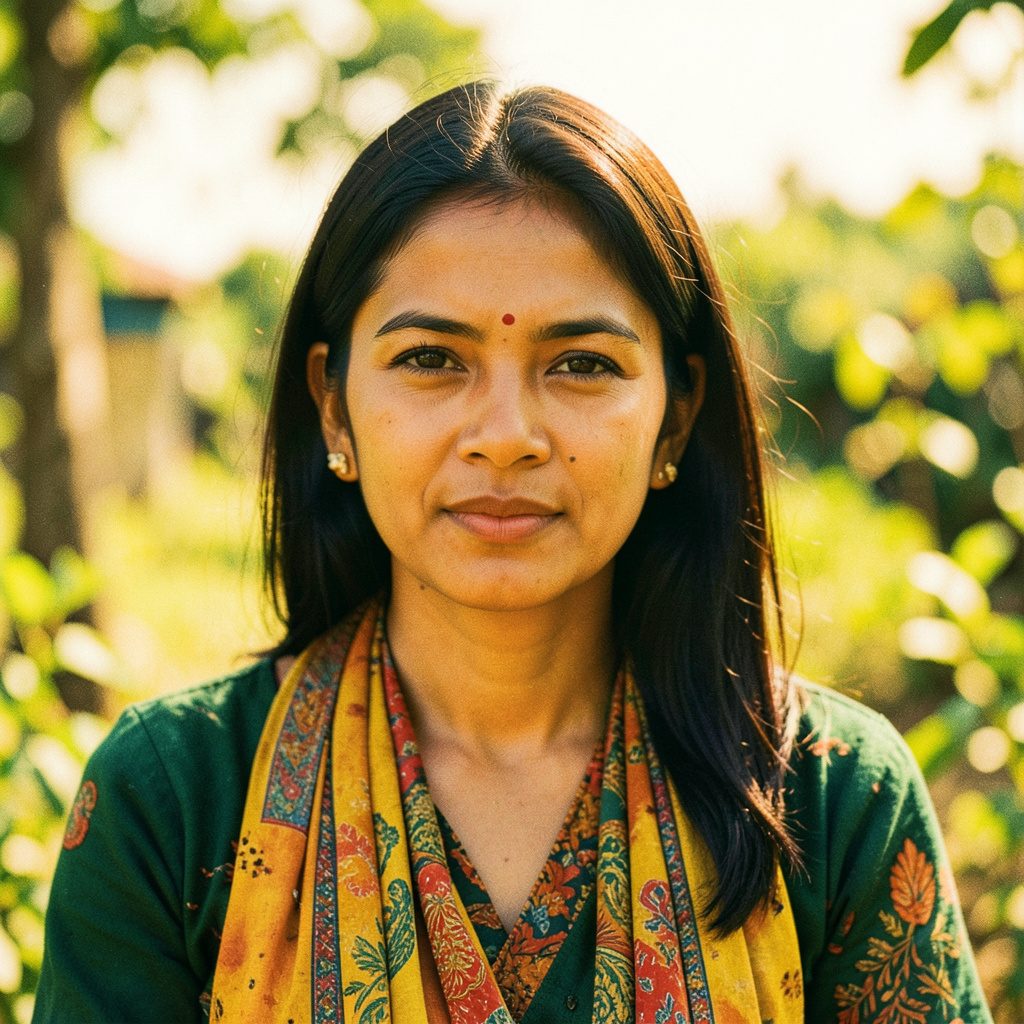
This approach is especially effective in close-up photography. Strong brows, sculpted cheekbones, glossy hair and carefully controlled colour palettes give portrait galleries a confident editorial quality. Neutral backdrops allow the subject to dominate, while rich reds, emerald greens and gold accents create a visual connection with Myanmar’s ceremonial and cultural traditions.
The result is fashion photography that feels composed without becoming distant. It is polished enough for a magazine cover yet personal enough to reveal the character of the person wearing the clothes.
Traditional Dress Moves Beyond Ceremony
Longyi and htamein remain central to Myanmar style, but recent fashion images show that traditional dress is not limited to formal occasions. Designers and stylists are experimenting with proportion, layering and fabric contrast to create looks that work for studio portraits, cultural events and celebrity appearances.
A fitted blouse paired with a structured longyi can produce a clean, modern silhouette. Elsewhere, embroidered fabrics, silk panels and metallic accessories bring a more luxurious mood. These combinations demonstrate how heritage clothing can be styled with the same attention given to contemporary eveningwear.
Australian viewers may recognise a similar conversation in the way local designers reinterpret Indigenous materials, regional craft and formal dress for current wardrobes. In both settings, the strongest results come when cultural references are treated as living design elements rather than decoration.
Magazine Covers Set the Seasonal Mood
Magazine covers remain an important part of Myanmar’s fashion ecosystem. They introduce seasonal beauty trends, promote films and television projects, and establish a public image for a model or actress. A successful cover must communicate quickly, which is why styling, typography and facial expression are so carefully controlled.
Throughout the year, cover shoots have moved between dramatic glamour and understated sophistication. Some rely on sculptural gowns, statement earrings and glossy makeup, while others use tailored jackets, soft knitwear or traditional textiles to create a quieter impression. The variety reflects a fashion market that is comfortable with both local identity and global editorial references.
For readers in Sydney or Melbourne, these covers can be viewed alongside Australian fashion magazines, where celebrity visibility and commercial appeal often shape the image. Myanmar’s covers tend to place greater emphasis on ornate detail, beauty styling and the emotional power of the portrait.
Red Carpet Glamour Finds a Local Accent
Public appearances bring a different kind of fashion pressure. Red carpet clothing has to photograph well from every angle, suit the venue and remain recognisable among a crowd of celebrity looks. Myanmar’s leading actresses and fashion personalities have answered that challenge with sweeping gowns, sharply tailored suits and carefully coordinated accessories.
The most memorable outfits often combine international silhouettes with regional styling. A minimalist dress may be paired with gold jewellery inspired by local craft, while a classic suit can gain personality through a silk shirt, patterned longyi-inspired fabric or an unusual colour choice. This balance keeps the look accessible while preserving a distinct Burmese character.
Climate also influences how these outfits are perceived. A heavily embellished gown that feels natural for an evening event in Yangon may require different fabric choices for an Australian summer gathering in Brisbane or Perth. The shared lesson is the value of breathable construction, controlled layering and styling that respects the setting.
Beauty Looks Complete the Fashion Story
Fashion images are rarely remembered for clothing alone. Hair, makeup and jewellery establish the mood, particularly in portrait galleries where there is no elaborate set to distract from the face. Myanmar’s beauty looks have ranged from softly luminous skin and neutral lips to strong eyeliner, glossy red colour and sculpted, high-volume hair.
The best styling decisions support the garment instead of competing with it. Traditional fabrics benefit from restrained makeup and refined jewellery, while a simple monochrome outfit can support bolder eyes or a dramatic lip. This relationship between clothing and beauty gives each editorial a clear visual direction.
There is also a practical lesson for Australian viewers who follow celebrity fashion through Instagram, entertainment sites and event photography. The strongest look is usually one that remains coherent in different lighting conditions, from a professional studio to an outdoor venue under bright Australian sun.
Portrait Galleries Reveal Personal Style
A year of fashion coverage is best understood through repeated appearances rather than one isolated outfit. Portrait galleries show how a model or actress develops a recognisable style across different assignments. One person may move from romantic couture to streetwear, while another builds a signature around elegant tailoring and traditional accessories.
Collections featuring Myanmar models and celebrities also reveal the importance of expression. A poised, direct gaze can make a simple blouse feel powerful, while a relaxed pose can soften a heavily styled look. The photographer’s choices matter just as much: framing, shadows and background texture all influence whether an image feels intimate, glamorous or formal.
This is where a photo-focused archive such as Myanmar-model.net becomes particularly useful. Browsing by model name, tag or latest post makes it easier to see patterns across editorials, magazine covers and fashion shoots, rather than judging each image in isolation.
Recommendations for Exploring The Archive
The year’s strongest fashion moments become easier to appreciate when viewed as a connected visual record. Rather than focusing only on the most elaborate gowns, readers can compare styling choices across traditional clothing, contemporary editorials and celebrity portraits.
- Compare magazine covers with the full editorial galleries behind them.
- Follow one model’s images across different seasons and styling teams.
- Look for recurring fabrics such as silk, lace, brocade and patterned cotton.
- Notice how longyi and htamein styling changes between formal and modern shoots.
- Compare studio portraits with outdoor or event photography.
- Use model names and tags to trace evolving beauty and fashion trends.
- View Australian fashion coverage alongside Myanmar editorials for useful contrast.
For Australians, this archive also offers a broader perspective on the regional fashion market. A reader in Adelaide may notice different colour preferences from those common in Melbourne’s winter street style, while someone in Sydney may compare Yangon’s celebrity imagery with local magazine and red carpet coverage. These differences make the archive more valuable, not less familiar.
The clearest pattern across the year is a confident blending of heritage and modern presentation. Begin with the latest model galleries on Myanmar-model.net, then open one magazine cover collection and compare its styling with the subject’s traditional-dress portraits.