A retrospective of iconic photos of model Khine Lay Thaw
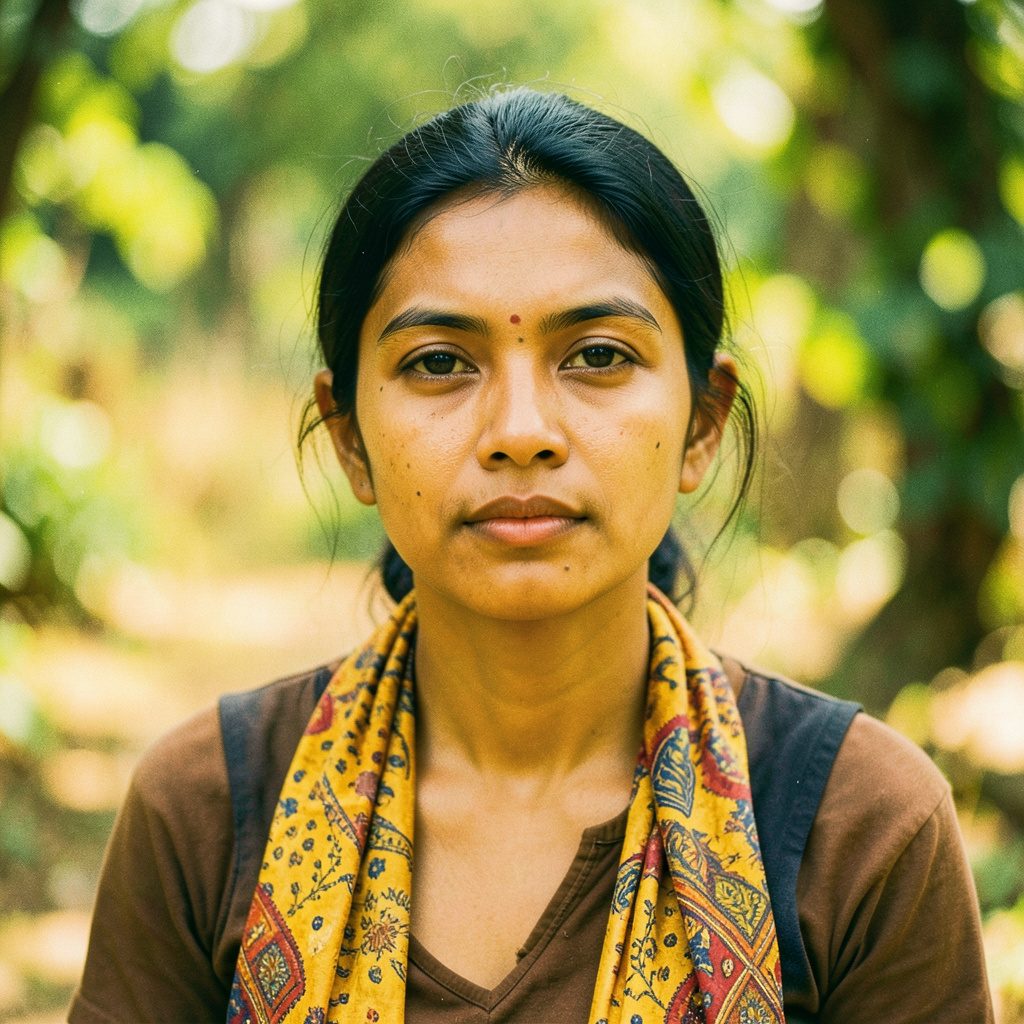
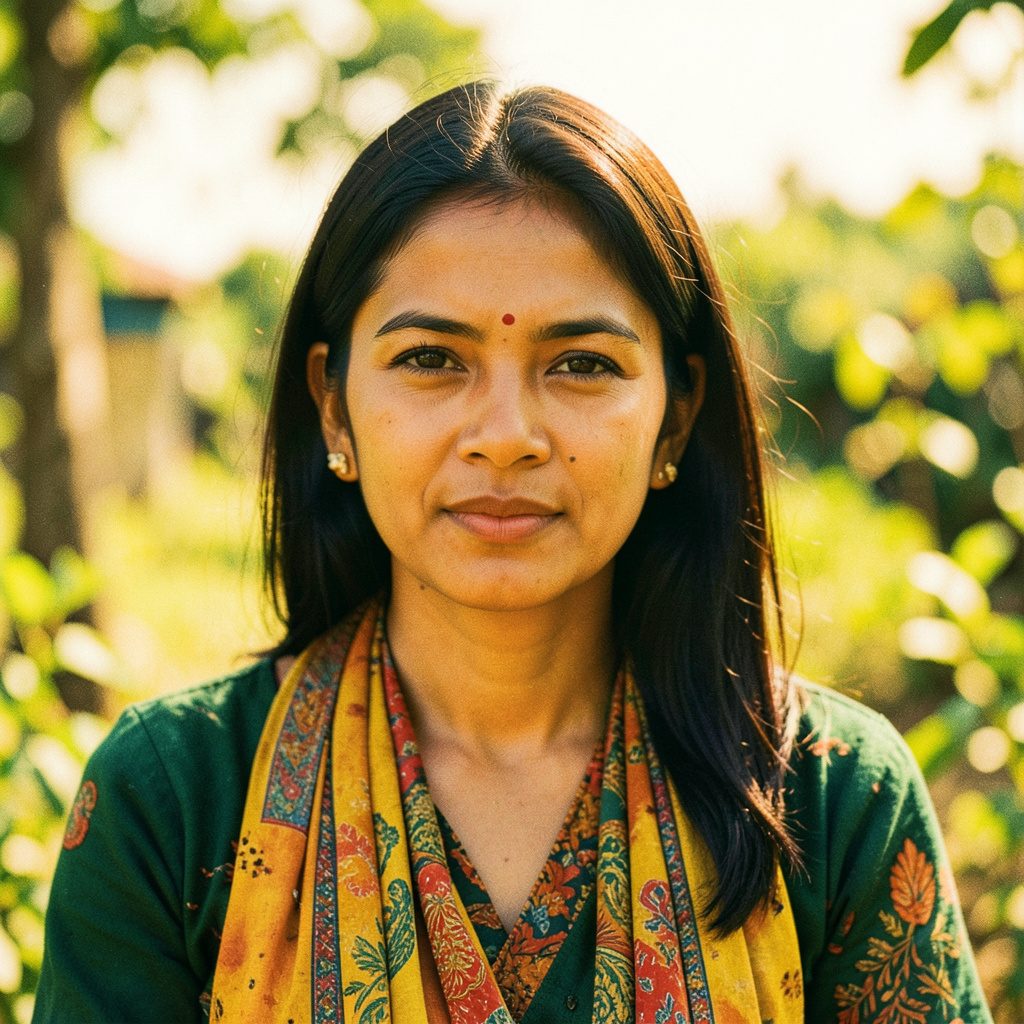
Khine Lay Thaw’s visual presence gives the Myanmar-model.net archive a particularly human centre. Across magazine covers, fashion editorials, studio portraits and images made at public events, the same figure appears in changing registers: poised for a cover, absorbed in a garment, caught in conversation or meeting the lens with direct confidence. The photographs are compelling not because every setting is spectacular, but because each one turns facial expression, posture and texture into a precise form of communication.
A retrospective of these images therefore feels less like a simple timeline than a study in visual identity. The collection invites viewers to see how a model becomes familiar through repetition, yet remains capable of surprise. Familiarity comes from recognisable features and a disciplined screen presence; surprise arrives through altered styling, unusual crops and shifts between commerce, celebrity coverage and cultural portraiture. These are pictures worth revisiting as an evolving portrait of Myanmar fashion, not merely as a record of one model’s appearances.
A portrait built around presence
The strongest frames give Khine Lay Thaw room to communicate without excessive visual noise. A centred gaze, slight turn of the shoulders or controlled hand position can carry more force than a dramatic gesture. This restraint is a defining feature of the best portraits: the face remains active while the surrounding composition creates balance. It is a quality that rewards close looking, especially in images where lighting is soft and the background contains only enough detail to suggest place.
That restraint also explains why cover images remain influential beyond the issue in which they first appeared. A cover has to compress a personality into an instant, and this portraiture avoids relying on a crowded celebrity headline. Instead, expression and styling establish a mood. Even when a photograph circulates online long after its original context has faded, its clarity gives it unusual staying power; viewers can read the image quickly, but continued attention reveals smaller choices in posture, jewellery and fabric.
Clothing that carries cultural memory
Fashion is never merely decoration in this archive. Modern silhouettes share the frame with the visual vocabulary of Myanmar dress, and the contrast can shift the emotional temperature of a picture. Traditional textiles, jewellery and carefully arranged hair often do more than locate a subject culturally; they create movement, rhythm and a sense of occasion. Khine Lay Thaw’s poised presentation makes those details feel integral to the image rather than added as an exotic layer.
The clothing also demonstrates the model’s range. A structured jacket, flowing dress or minimal studio look depends on a different kind of bodily confidence from ornate ceremonial styling, yet the strongest photographs preserve continuity between them. The camera does not separate “fashion model” from “cultural figure”; it shows how styling, heritage and celebrity image-making overlap. In an era when digital platforms flatten cultural dress into interchangeable costume, this archive’s more complete framings offer a valuable reminder that garments carry context, craft and memory.
The craft behind each memorable frame
Behind every polished image is a set of technical decisions about lens, light, direction and timing. The formal portraits rely on clean separation between subject and background, while event photographs gain energy from the unstable space around the sitter. Magazine layouts then impose another layer of meaning, choosing a crop that can sit beside headlines, cover lines and competing images. Khine Lay Thaw’s expression often provides the visual hinge between those systems.
That relationship between original scene and later publication is central to an online photo archive. A cropped image may privilege the face; a full gallery may restore gesture, surroundings and dress. Neither version is automatically more complete. The retrospective’s value lies in showing the photographs in relation to one another, allowing repeated visual patterns to emerge without pretending that every frame was intended to communicate the same thing. It is an editorial exercise in sequence, as much as a celebrity gallery.
An international image in an Australian eye
For Australian readers, these photographs sit within a familiar media habit: international fashion and celebrity imagery is encountered through print magazines, online galleries and social feeds, then interpreted against local scenes and tastes. The archive can feel especially relevant in cities such as Melbourne, where laneway studios, café fronts and changing daylight provide familiar settings for fashion portraiture, and Sydney, where bright coastal light has become closely associated with wedding imagery.
That Sydney association makes the styling details in some formal photographs newly legible. A practical guide to beach wedding headpieces illustrates how silhouette, secure structure and reflective embellishment respond to wind, movement and strong sun. The comparison is not a claim that every image belongs to a bridal context; it simply reveals why headwear, fabric and controlled pose can feel so vivid against open coastal backgrounds. Australian summer, with its emphasis on breathable cloth and sunlit colour, gives another lens through which to appreciate the archive’s balance of polish and practicality.
More broadly, the retrospective shows how a Myanmar image can enter Australian visual culture without losing its specificity. Local familiarity with runway photography, celebrity weeklies and digitally shared portraits prepares viewers to recognise the grammar of the fashion image. The photographs then complicate that grammar with Myanmar aesthetics, individual poise and moments of visible cultural history. Their cross-cultural appeal comes from precision and emotional legibility, not from stripping away their original context.
Preserving a photographic legacy
Calling a photograph iconic is easy; explaining why it endures is harder. In Khine Lay Thaw’s case, longevity comes from the meeting of a memorable face, disciplined styling and images that reward both instant recognition and slower examination. The archive’s progression from fashion shoots to portraits and celebrity coverage creates a cumulative effect, showing not a fixed ideal of beauty but a performer whose presence can be reshaped by costume, setting and editorial intent.
Preservation is therefore part of the story. Original files, photographer credits, dates, publication details and the names of stylists or designers can prevent striking pictures from becoming orphaned images. A well-kept gallery can also distinguish an editorial portrait from a candid event photograph, making room for the shifts in tone that make the retrospective valuable. The next concrete step is to digitise the highest-resolution available files and publish a fully credited, rights-cleared gallery beside the existing model archive.