A Photographic Tribute To Myanmar’s Most Beautiful Actresses
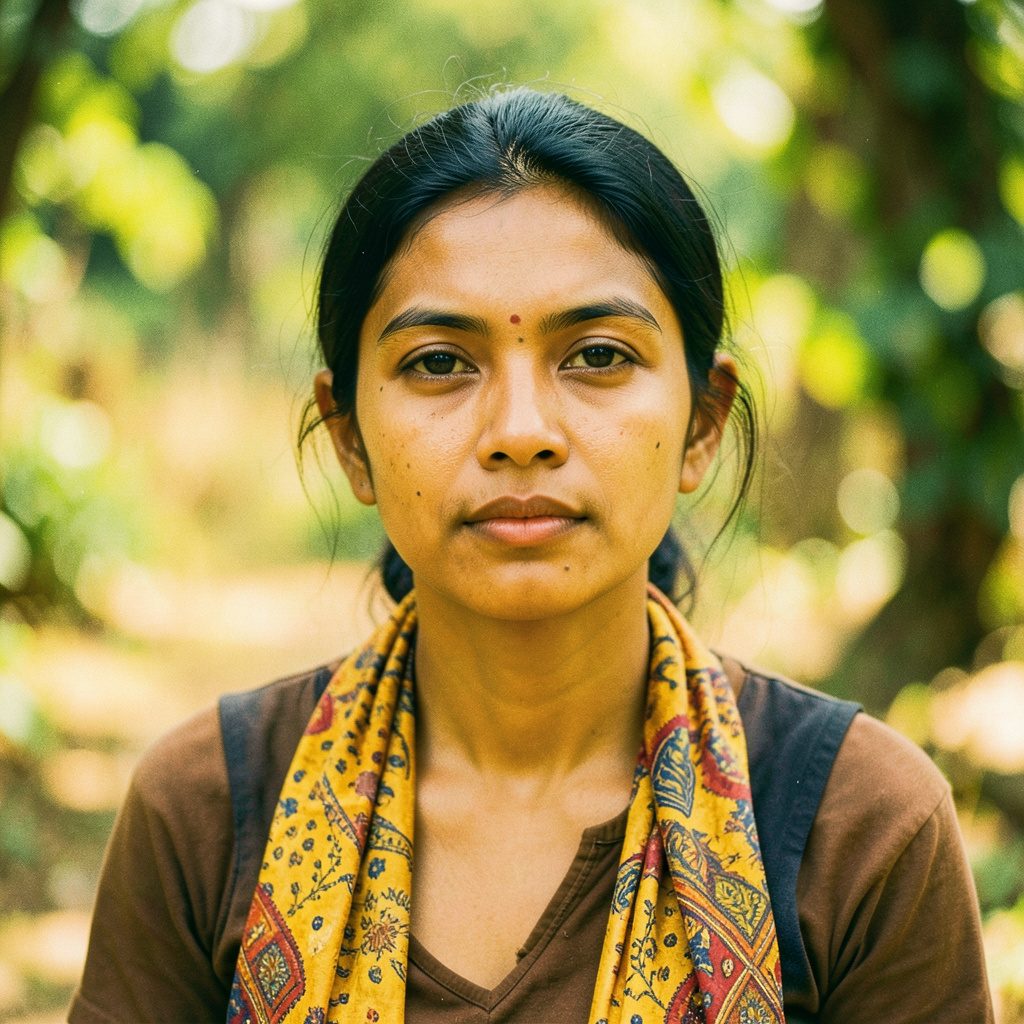
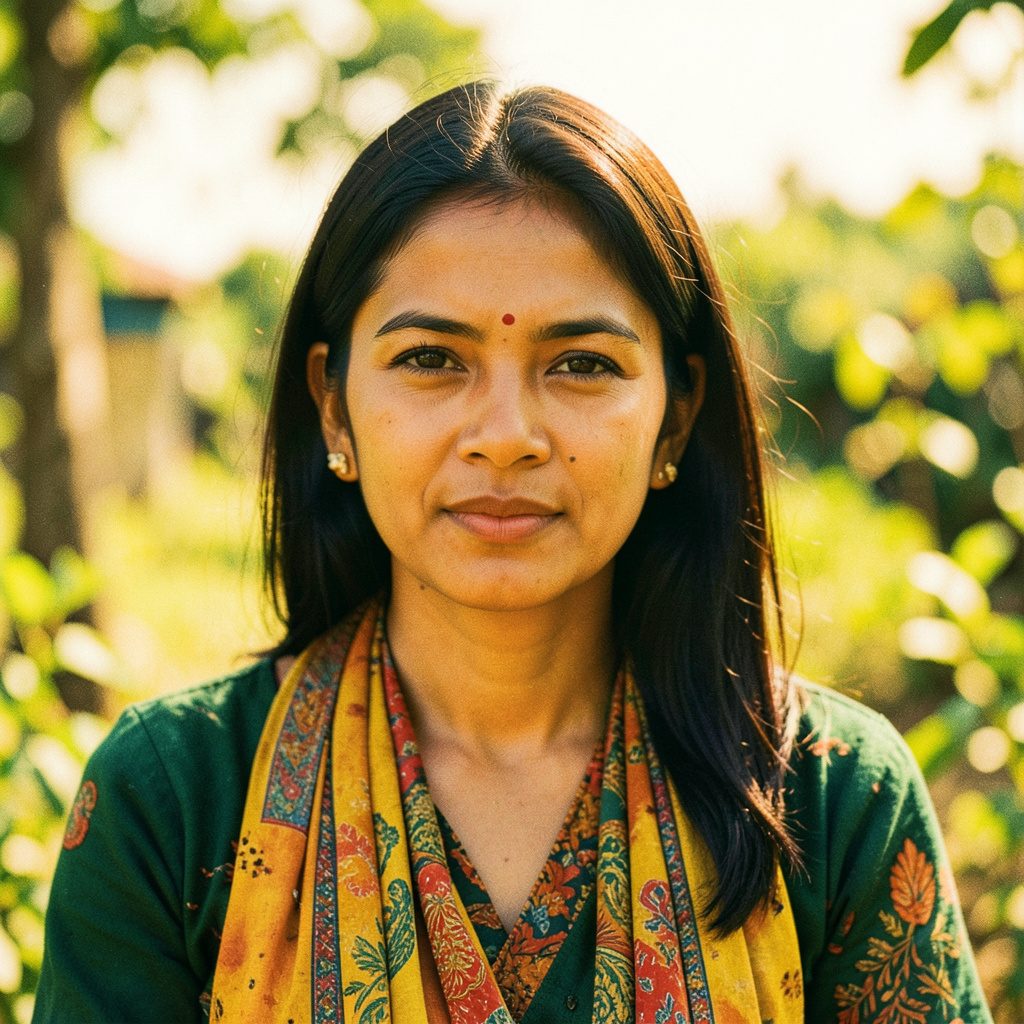
Myanmar’s actresses have long brought a distinctive visual language to cinema, television, fashion magazines, and public events. Their portraits often combine polished glamour with a sense of place: a silk longyi, a gold-toned thanaka detail, a modest studio backdrop, or the expressive stillness of a close-up.
A photographic tribute to Myanmar’s most beautiful actresses is therefore about more than appearance. It is a record of changing style, creative confidence, and the many ways women in Myanmar present themselves across a career. Magazine covers, red-carpet images, traditional dress, and candid portraits each reveal something different.
For Australian viewers, this material offers an accessible way to explore Myanmar popular culture from afar. A fan browsing in Melbourne, Sydney, Brisbane, or Perth may recognise the visual grammar of fashion editorials while discovering silhouettes, textiles, beauty customs, and cinematic traditions that are distinctly Burmese.
Myanmar-model.net suits this kind of viewing. Its image-led archive groups portraits by names, tags, popular posts, and recent uploads, making it easy to move from a familiar actress to a broader collection of performers and fashion personalities.
The Power Of The Portrait
A strong portrait can make a celebrity feel immediate without sacrificing mystery. Lighting, posture, eye contact, and styling work together to suggest character, whether the image presents an actress as glamorous, thoughtful, playful, or quietly authoritative.
Myanmar portrait photography frequently balances modern studio polish with cultural detail. A traditional blouse or patterned longyi may sit beside contemporary makeup and an international fashion pose. That combination gives the image a layered quality rather than treating heritage as decoration.
The best galleries also show how an actress’s public image develops. Early photographs may feel youthful and informal, while later magazine shoots use stronger composition, sharper tailoring, and more controlled expressions. Seen together, the photographs become a visual biography.
Style Across Screens And Pages
Actresses occupy several overlapping worlds: film promotion, television appearances, fashion campaigns, magazine editorials, and social media. Each setting creates its own expectations. A cover image may favour a dramatic pose, while a film still depends on emotion and narrative context.
Traditional clothing is especially important in understanding the range of these images. Silks, embroidered details, fitted jackets, and elegant longyi styling can communicate occasion and status. Formal looks for awards or cultural events often sit alongside relaxed portraits that feel closer to everyday life.
Australian audiences are accustomed to multicultural fashion coverage, from Sydney’s editorial studios to Melbourne’s independent design scene. Still, Myanmar styling has its own visual rhythm. The appeal lies in seeing familiar ideas of celebrity fashion refracted through local materials, customs, and beauty ideals.
A Useful Way To Read The Archive
A photo archive becomes more rewarding when images are viewed as groups rather than isolated posts. Compare a magazine cover with a traditional-dress portrait, then look for changes in colour, silhouette, expression, and setting. This approach reveals the choices behind a polished celebrity image.
| Image type | What it often highlights | What to look for |
|---|---|---|
| Magazine cover | Public identity and current popularity | Typography, styling, expression |
| Fashion editorial | Experimentation and visual mood | Lighting, pose, colour palette |
| Traditional clothing portrait | Cultural elegance and occasion | Fabric, jewellery, drape |
| Film or television still | Character and emotion | Gesture, setting, narrative clues |
| Candid event photograph | Public presence and spontaneity | Interaction, movement, atmosphere |
For readers in Australia, the archive can also be a useful companion to regional cultural discovery. Someone planning a trip to Yangon, following Southeast Asian cinema, or simply spending a rainy arvo browsing international fashion may find connections between images that a standard celebrity search would miss.
Digital collections depend on practical systems as well as visual appeal. Discussions of desktop app payments may seem unrelated to photography, yet they reflect the wider digital environment in which archives, publishing tools, and creative platforms are maintained.
Faces That Carry Different Stories
Beauty in these galleries is not a single formula. Some actresses project sophistication through controlled styling and direct eye contact; others are memorable for warmth, humour, or an expressive quality that makes a simple portrait feel alive. Variety gives the archive its depth.
There are also differences in how fame is presented. Established performers may appear in carefully produced cover shoots, while younger personalities are often photographed in brighter, more contemporary settings. The contrast documents shifts in media taste, audience expectations, and the commercial language of celebrity.
This is relevant to Australia’s own entertainment market, where a performer may move between television, streaming, advertising, theatre, and fashion work. Myanmar actresses operate across similarly connected spaces, though the visual codes and publishing channels reflect their own national industry.
A Better Viewing Experience
The archive is easiest to enjoy when browsing with a theme in mind. Searching by model name can reveal career continuity, while tags may lead to clusters built around clothing, events, or editorial mood. Popular posts provide a sense of what attracts attention, and latest posts keep the experience current.
A few simple viewing habits help preserve the value of the images:
Look for visual details
- Compare fabrics, jewellery, and hairstyle choices.
- Notice how lighting changes the mood of a portrait.
- Read expressions alongside clothing and background.
- Follow repeated names across different gallery types.
Browse beyond familiar faces
- Explore magazine covers from different periods.
- Pair celebrity portraits with fashion personalities.
- Visit the boys photo collection for a broader view of the archive.
- Use tags to find themes rather than relying on one search.
For Australian readers, this kind of browsing fits naturally into a media routine shaped by mobile screens, streaming services, and quick social discovery. A gallery can be saved for a weekend coffee in Adelaide, shared among friends in Canberra, or explored between train stops in Sydney without needing specialist knowledge.
Preserving A Living Visual Culture
Celebrity photography can seem fleeting, especially when images are encountered through fast-moving feeds. An organised archive gives those photographs a longer life. It preserves styling trends, public appearances, editorial ideas, and changing standards of beauty in a form that can be revisited.
That record matters because actresses contribute to cultural memory as well as entertainment. Their portraits show how femininity, ambition, tradition, and modernity are negotiated in public. They also demonstrate how fashion photography can communicate identity without relying on lengthy interviews.
Myanmar-model.net presents this material in a straightforward, image-focused setting. For anyone interested in Burmese cinema, Southeast Asian fashion, or portrait photography, the collection offers a calm alternative to algorithmic scrolling: choose a name, follow a visual thread, and let the photographs build their own story.
Begin with one actress’s gallery, compare three portraits from different settings, and record the visual details that change between them.