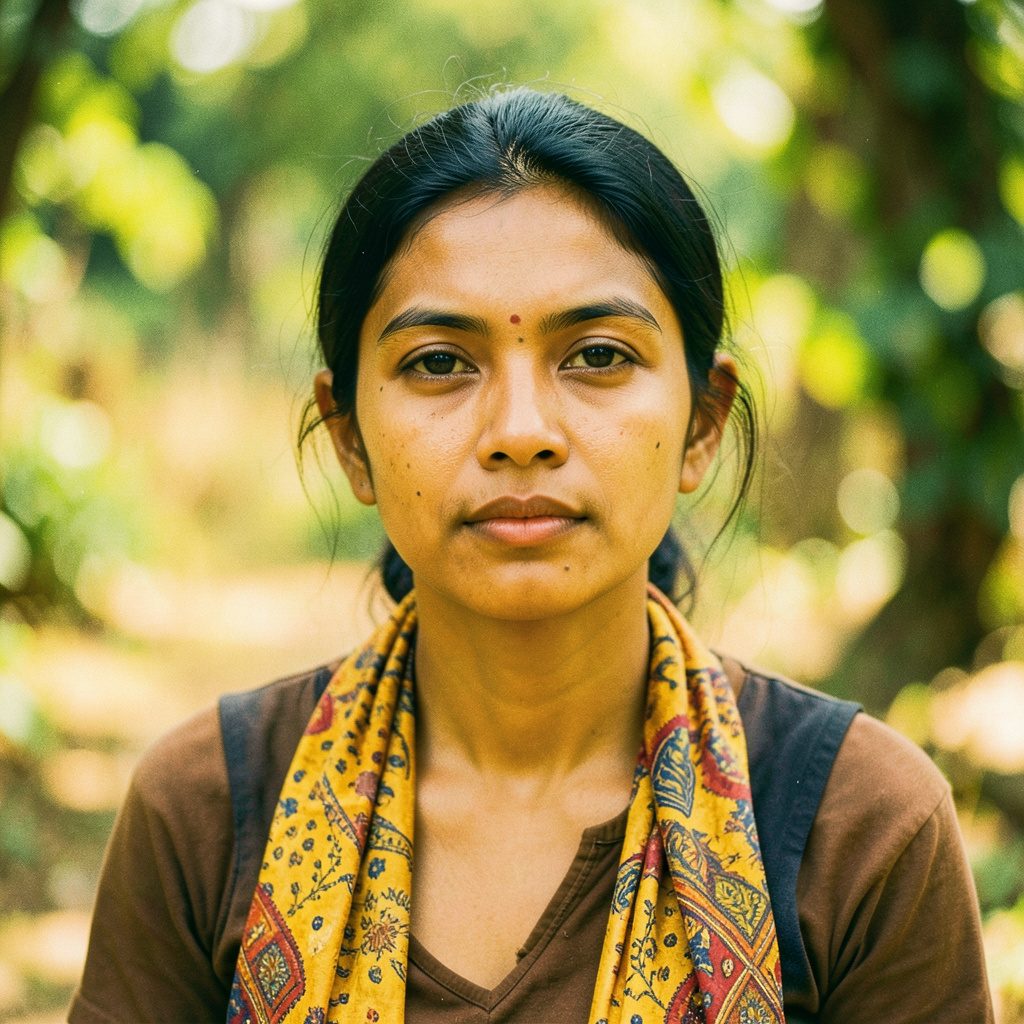
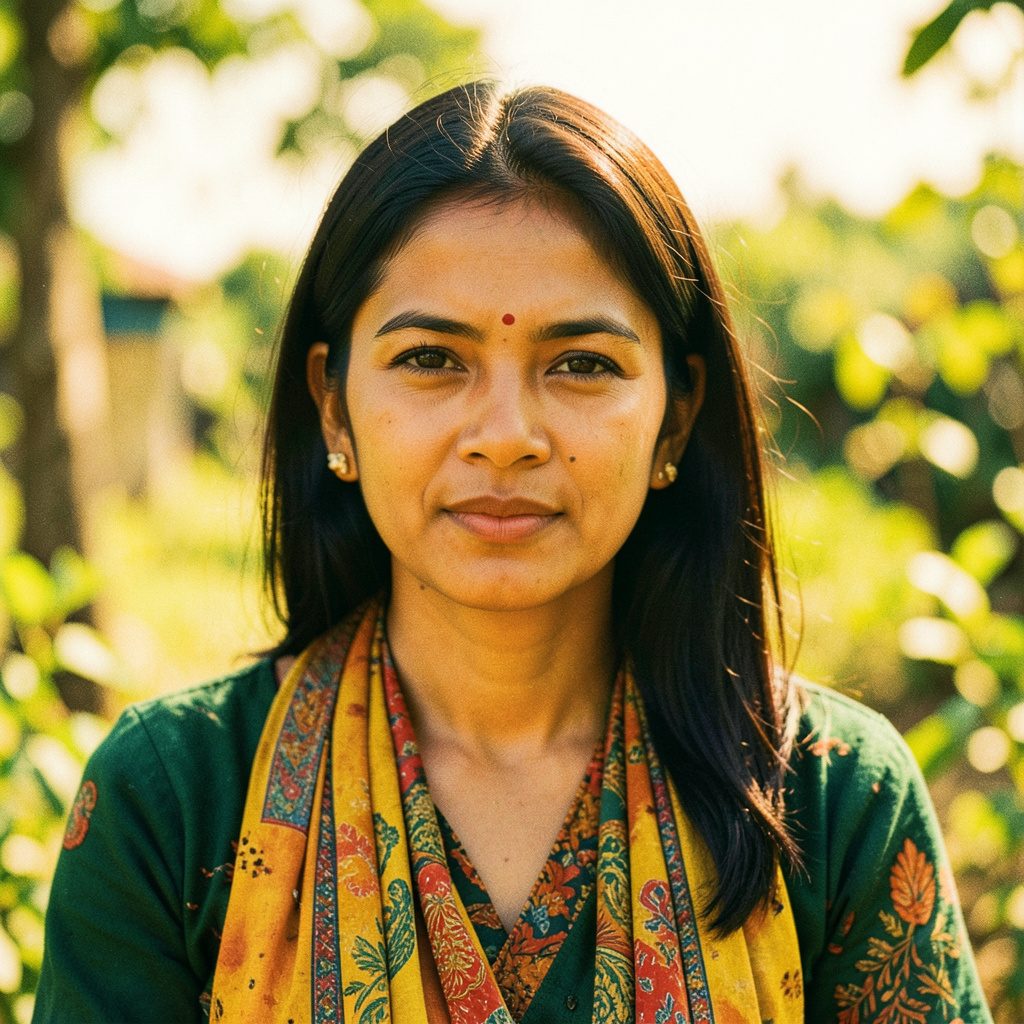
A photographic journey through the year's best fashion shoots
Fashion photography turns clothing into atmosphere. A folded sleeve, a flash of colour, or a carefully placed shadow can reveal as much about a person as the garment itself. For audiences browsing Myanmar-model.net, a collection of portraits and editorial images offers a way to follow changing tastes, familiar faces, and the visual language of contemporary style.
A photographic journey through the year's best fashion shoots moves between magazine covers, studio portraits, traditional dress, and outdoor editorials. It is less about ranking individual images than noticing how models, actresses, and fashion personalities are presented across different settings. Each gallery becomes a small record of the year’s mood, from polished glamour to relaxed street-inspired styling.
Editorial portraits with a distinct mood
The strongest fashion portraits usually begin with a clear visual idea. A neutral studio may place all attention on the model’s expression and silhouette, while a richly decorated interior can add cultural texture to a formal outfit. Lighting determines the emotional temperature: bright, even illumination feels contemporary and accessible, whereas deep shadows create a more dramatic magazine effect.
Myanmar fashion editorials often balance modern styling with familiar visual references. Traditional textiles, longyi-inspired forms, delicate jewellery, and locally recognisable patterns can sit comfortably beside tailored jackets or minimalist eveningwear. This combination gives a portrait gallery a sense of place without limiting it to a single aesthetic.
For Australian viewers, that visual contrast can feel especially engaging during the cooler months in Melbourne or Sydney, when layering and structured outerwear dominate local wardrobes. In Brisbane or Darwin, lighter fabrics and breathable silhouettes often make more practical sense, showing how climate can influence the way fashion imagery is read.
Magazine covers as visual milestones
A magazine cover has a particular role within a model’s public image. It must communicate quickly, usually through a direct gaze, a memorable pose, and styling that remains legible even at a small size on a newsstand or mobile screen. The cover image is often more restrained than a full editorial, yet it can establish the tone for an entire issue.
Cover photography also reflects the relationship between fashion and popular culture. A familiar actress may be photographed in a refined, cinematic style, while a rising model might appear in sharper colours and more experimental silhouettes. Across a year of images, these choices reveal how publications respond to changing ideas about beauty, celebrity, and personal style.
Australia’s magazine market has shifted heavily towards digital reading, with many people discovering covers through social media rather than at a physical newsagent. That makes image quality particularly important. A strong photograph needs to hold its detail on a phone screen while still looking polished when displayed as part of a larger online gallery.
Traditional clothing in a contemporary frame
Traditional clothing can be photographed as heritage, everyday fashion, formalwear, or creative styling. The distinction depends on the setting and the photographer’s approach. A carefully composed portrait may highlight the construction of a garment, while a more relaxed shoot can show how traditional pieces move, fold, and interact with modern accessories.
The most compelling images avoid treating cultural dress as a static costume. They show the model as an active participant in the visual story, with posture, gesture, and expression carrying equal importance. Fabric texture becomes part of the composition: silk catches the light, embroidered details reward close viewing, and layered garments create rhythm across a sequence of photographs.
This perspective has relevance in Australia’s multicultural fashion scene, where cultural dress appears at weddings, festivals, community events, and professional celebrations. Viewers in cities such as Sydney and Melbourne are accustomed to seeing many traditions share the same public spaces. Fashion photography can reflect that diversity when it presents clothing with context and respect rather than reducing it to decoration.
Outdoor locations and natural light
Location photography gives fashion galleries a sense of movement. A city street, quiet garden, coastal path, or historic building can change the meaning of an outfit within seconds. Natural light also introduces variety that a studio cannot always reproduce, from the soft glow of early morning to the hard contrast of afternoon sun.
Outdoor shoots demand careful attention to weather, timing, and background detail. A simple wall can provide a clean frame, while a busy market or urban crossing can create energy around a more understated look. The best images make the environment feel connected to the styling rather than using it as a random backdrop.
Australian viewers may notice familiar differences in seasonal presentation. Summer editorials can suggest linen, sandals, and loose tailoring, while winter imagery leans towards wool, boots, and layered textures. Because Australia experiences its seasons at the opposite time of year to Myanmar, an online fashion archive can provide an interesting visual exchange between regional climates and dressing habits.
Styling details that reward a closer look
Fashion photography is often remembered for its overall impression, yet the smallest details give an image lasting character. Earrings can echo a pattern in the fabric, a belt can change the proportion of a dress, and a carefully chosen pair of shoes can shift a look from formal to relaxed. Hair and makeup complete the balance without needing to dominate the frame.
Across a well-organised gallery, styling changes can also show a model’s range. One sequence may present controlled elegance through monochrome tailoring, followed by softer portraits featuring pastel colours and natural makeup. Comparing these images helps viewers see the work of the stylist, photographer, hair and makeup team, and art director as well as the subject.
The Australian fashion market tends to reward versatility. Local labels often move between officewear, occasion dressing, resort collections, and casual basics because shoppers expect clothing to work across several parts of everyday life. That practical attitude can be seen in editorial styling that combines statement pieces with wearable garments rather than presenting every look as purely aspirational.
Preserving a year in images
A photo archive becomes more valuable when it allows images to be viewed as part of a wider record. Tags, model names, latest posts, and popular collections help visitors trace recurring faces and compare different shoots. A portrait from a magazine feature may look entirely different from an outdoor fashion set, yet both contribute to the same public visual identity.
Archiving also involves responsibility. In Australia, photographs are generally protected by the Copyright Act 1968, and editorial websites need to consider licensing, attribution, and the rights attached to commissioned images. Moral rights may also matter to photographers and creators, especially when images are cropped, altered, or presented without proper credit. Respect for those details supports the long-term value of a photo collection.
For viewers, the archive offers more than a quick scroll. It preserves changing silhouettes, makeup trends, textile preferences, and public appearances that might otherwise disappear into fast-moving social feeds. Looking back across the year reveals patterns: a return to traditional fabrics, a preference for softer portrait lighting, or a growing interest in natural locations and understated styling.
The best fashion shoots leave a clear impression because every element works together. Model, garment, location, lighting, and composition create a visual story that can be appreciated in a single frame or across an entire gallery. Myanmar-model.net provides a window into that process through collections that connect celebrity portraits, magazine imagery, cultural dress, and contemporary fashion.
What readers should remember is that a strong fashion photograph records more than an outfit. It captures a moment, a place, a creative team, and the evolving way style is seen.