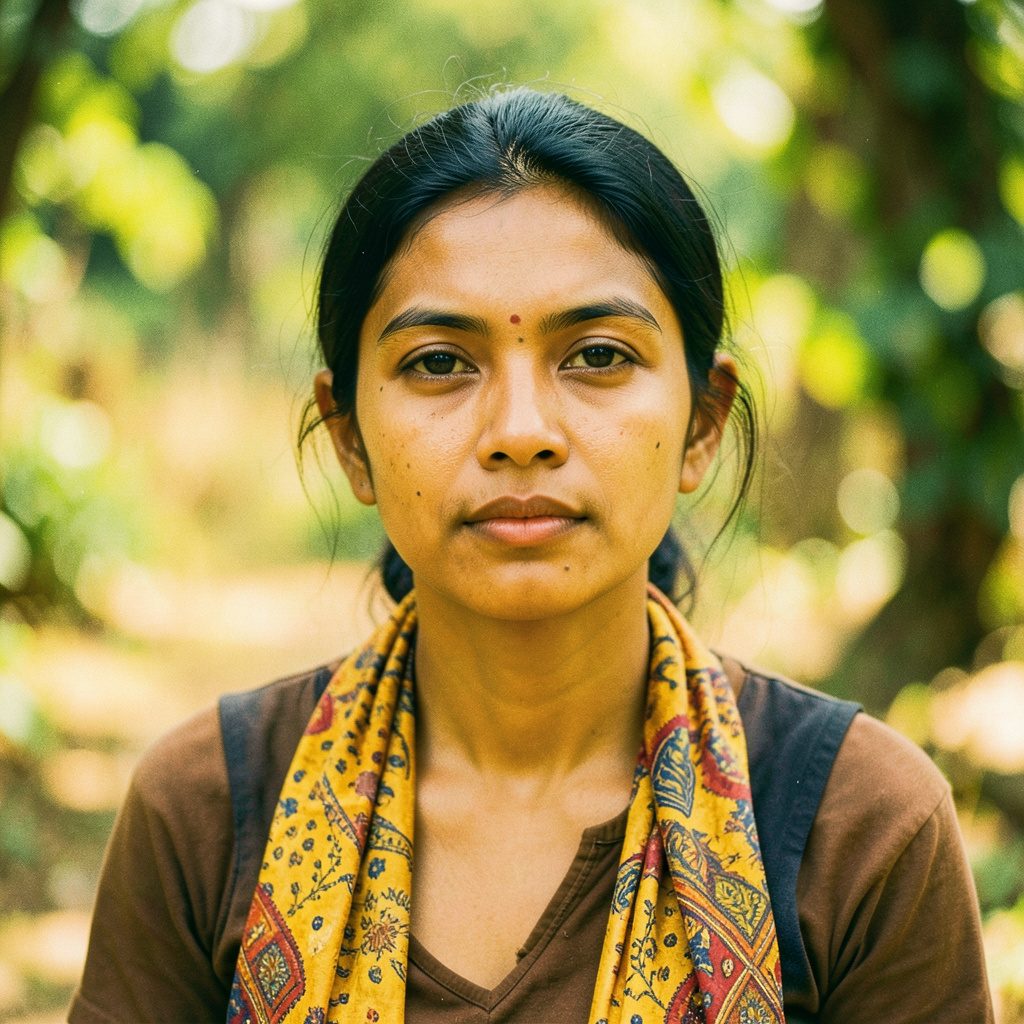
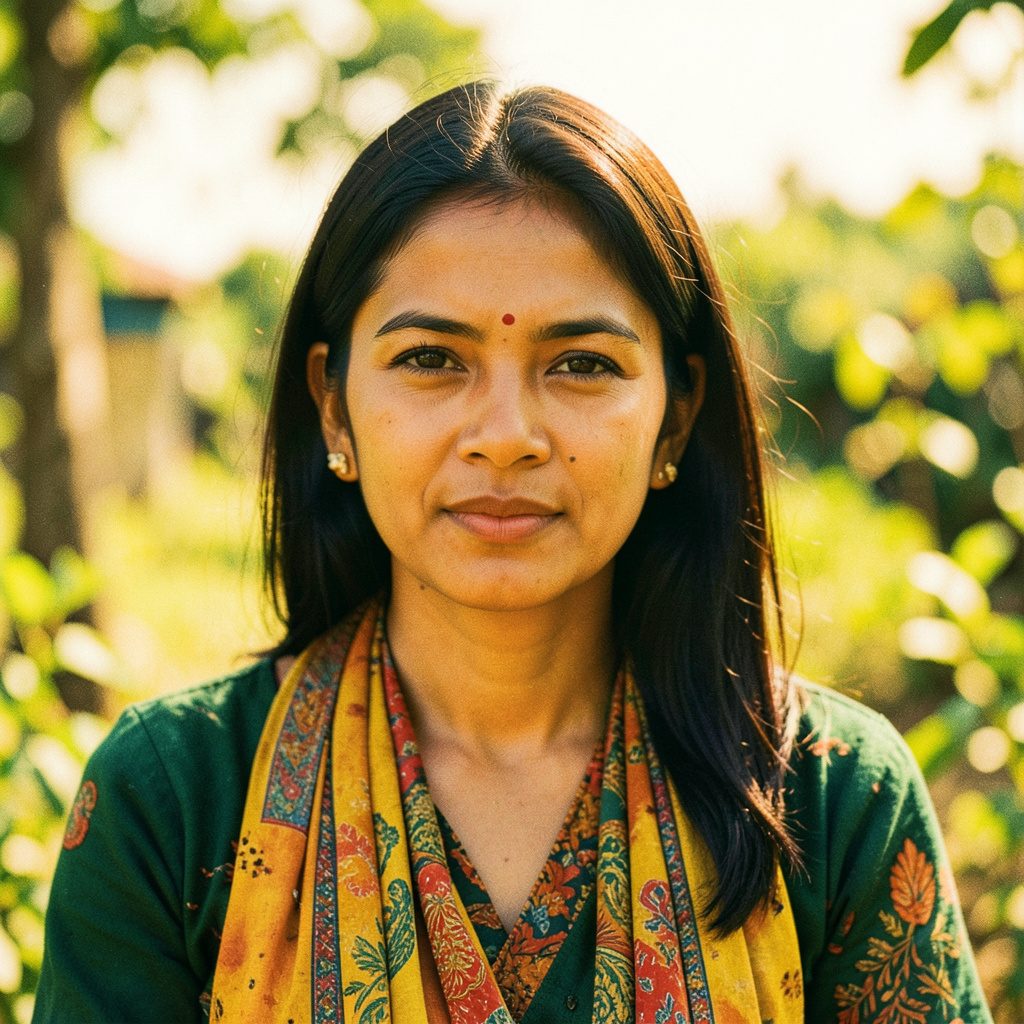
A photographic essay on Myanmar fashion’s changing face
Myanmar fashion is easiest to understand through images. A studio portrait, a magazine cover, or a carefully framed photograph of traditional dress can reveal shifts in taste that are harder to capture in a written timeline. Across collections of Myanmar models, actresses, celebrities, and fashion personalities, clothing becomes a record of social change, creative confidence, and evolving ideas about public identity.
The photographic archive at Myanmar-model.net offers a useful lens for observing that movement. Its galleries bring together portrait sessions, editorial fashion shoots, cover images, and traditional outfits, allowing details of fabric, styling, makeup, posture, and location to sit side by side. Viewed as a visual essay, these images show a fashion culture balancing heritage with modern media, local craft with international influence, and personal expression with the expectations of a public audience.
From traditional dress to editorial expression
The longyi remains one of the most recognisable elements in Myanmar clothing. Its continued presence in portraits and formal photography demonstrates how traditional dress can remain current when cut, colour, and styling are adapted to the moment. A patterned longyi paired with a crisp blouse may communicate refinement, while silk, satin, embroidery, or handwoven textures can shift the same basic silhouette towards ceremony, glamour, or high fashion.
Traditional clothing also carries visual information about occasion and identity. A fashion portrait may emphasise the geometry of a htamein, the drape of a shawl, or the sparkle of jewellery, turning familiar garments into deliberate editorial subjects. In these photographs, heritage is not treated as a museum piece. It is composed, lit, and styled with the same care given to contemporary fashion.
The result is a layered image of Myanmar femininity. Models and actresses can appear poised and formal in one gallery, then relaxed and experimental in another. This range reflects a culture where clothing continues to connect family traditions, regional craft, professional presentation, and the fast-changing language of celebrity photography.
The magazine cover as a cultural document
Magazine covers offer a particularly concentrated view of changing beauty standards. The cover model’s expression, hairstyle, makeup, and clothing are selected to create an immediate mood, while typography and layout place the individual within a wider media conversation. Earlier styles may favour polished studio glamour and restrained poses; newer work often gives greater space to individuality, bolder colour, and a more cinematic sense of movement.
Myanmar actresses and public figures frequently occupy the space between entertainment and fashion. Their portraits can promote a film, mark a career milestone, or present a new public image. A change in fringe, lip colour, tailoring, or jewellery may seem small, yet repeated across cover shoots it reveals how visual ideals are being refreshed.
For Australian viewers, the comparison is easy to recognise in the local magazine market. Sydney and Melbourne editorial culture often moves between commercial beauty, streetwear, luxury labels, and Indigenous design, while Australian audiences are accustomed to seeing regional style interpreted through glossy media. Myanmar’s imagery has its own history and context, but it shares this broader editorial process: fashion photography transforms clothing into a story about aspiration, personality, and belonging.
Portraits shaped by digital circulation
The contemporary fashion image no longer belongs to a single magazine issue or printed album. It can move from a professional shoot to a website gallery, then across social platforms where viewers focus on individual details. A portrait’s reach may depend on its colour palette, recognisable face, styling idea, or suitability for sharing on a phone screen.
This shift has changed the rhythm of fashion discovery. Audiences in Brisbane, Perth, and Adelaide may encounter Myanmar imagery while browsing on public transport, during a lunch break, or late at night at home. The habit of saving and revisiting images encourages visual archives to function as ongoing references rather than fixed publications. Tags, model names, latest posts, and popular galleries help users trace a style across different stages of a career.
Digital culture also creates unexpected connections between fashion, entertainment, and character design. A viewer interested in how fictional figures are styled might move from celebrity portraits to a game wardrobe guide, then return to real-world clothing with a sharper eye for colour, silhouette, and accessories. Both forms of imagery depend on visual identity, even when one is editorial photography and the other belongs to interactive media.
Beauty, tailoring, and the local market
The changing face of Myanmar fashion can be seen in the relationship between imported trends and local interpretation. International runway ideas may appear through oversized tailoring, monochrome styling, metallic finishes, or contemporary eveningwear, but the final image is shaped by Myanmar preferences, available materials, climate, and social setting. A look becomes meaningful when it is adapted rather than simply copied.
Climate matters in the same way it does across Australia. Lightweight fabrics and breathable construction are practical in Yangon’s heat, just as linen, cotton, and relaxed tailoring suit a summer day in Sydney or Darwin. Formal clothing must also work within real routines: commuting, attending ceremonies, appearing on television, or posing under strong studio lights. Fashion photographs often conceal this practicality, but fabric and silhouette still reveal it.
The market behind the images is equally important. Local designers, beauty professionals, photographers, and small clothing businesses contribute to the finished visual language. In Australia, where the Australian Consumer Law governs advertising and businesses must avoid misleading claims, fashion imagery is closely tied to questions of representation and commercial honesty. Myanmar editorial photography operates within a different legal and media environment, yet it similarly shows how trust is built through recognisable craftsmanship, consistent styling, and a clear relationship between image and identity.
A wider idea of modern Myanmar style
The most compelling portraits avoid presenting modernity as a complete break from the past. A model may wear a sharply cut jacket with traditional fabric, or a classic blouse may be photographed with contemporary makeup and an international editorial pose. These combinations suggest that fashion change is often additive: new references join older ones, creating a visual vocabulary with several histories at once.
This is especially visible in galleries that place different generations and professions together. An established actress, a younger model, and a fashion personality may each represent a different route into public visibility. Their clothes can signal career stage, personal taste, regional influence, or the demands of a particular publication. The archive becomes valuable because it preserves these distinctions rather than flattening them into one definition of national style.
Photography also records the spaces between public expectation and private expression. A formal portrait may project confidence and control, while a softer outdoor image suggests intimacy or ease. Through pose, gaze, styling, and setting, Myanmar fashion photography documents how people negotiate visibility in a society shaped by tradition, entertainment, commerce, and rapidly expanding digital attention.
Seen together, these images form a living record rather than a fixed catalogue. The next step is to open a Myanmar-model.net gallery and compare one traditional-clothing portrait with one recent fashion shoot, noting the changes in fabric, pose, colour, and styling.