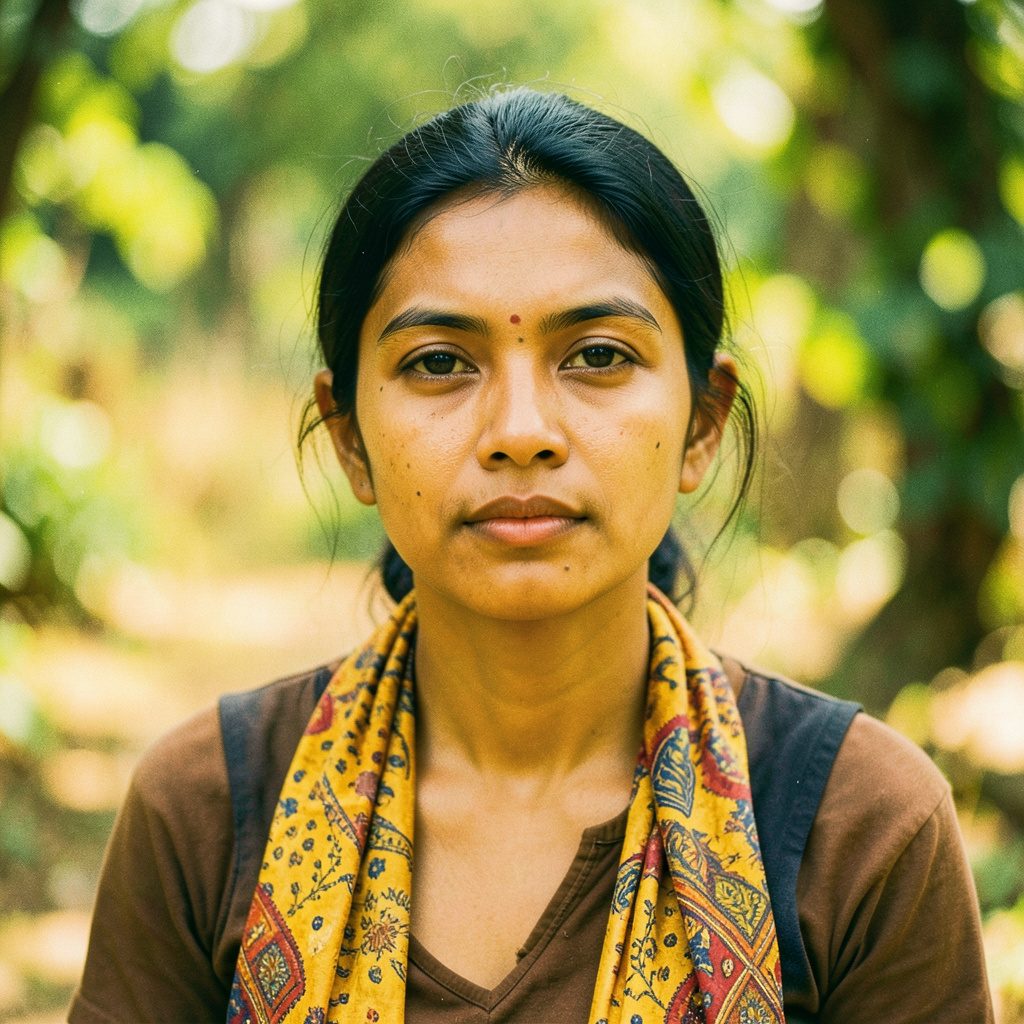
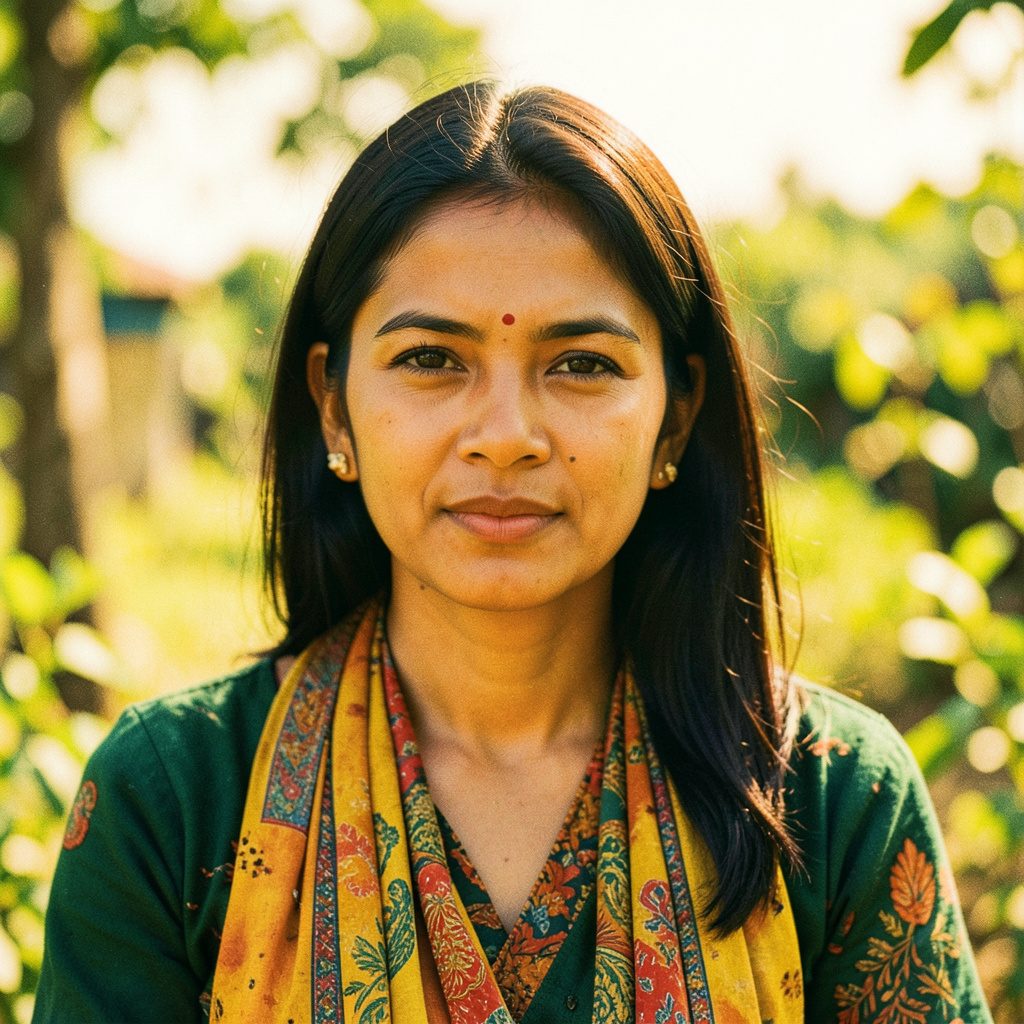
A look at the best fashion shoots featuring Myanmar model Thiri
Thiri’s strongest fashion pictures depend on more than an impressive outfit. Styling, expression and photographic framing work together, while her poses shift between poised magazine-cover confidence and softer editorial moments. Each gallery therefore develops its own rhythm while keeping attention on the person wearing the clothes.
The Myanmar-model.net archive brings together magazine covers, studio fashion, traditional clothing and portrait galleries. Because it operates as an editorial photo archive rather than a sales catalogue, the collection can be read as a visual record of Myanmar models, actresses and other fashion personalities. Different posts offer distinct perspectives on Thiri’s screen presence.
For an Australian audience, that range is especially engaging. Local style moves between international trend imagery, city-based boutique culture and climate-aware dressing, allowing these photographs to be considered as both fashion documentation and portraiture. The most rewarding approach is to notice what changes between settings and what remains unmistakably Thiri.
What makes Thiri’s fashion images stand out
One measure of a memorable fashion shoot is whether the clothes remain visually central without overpowering the wearer. Thiri’s strongest presentations achieve that balance. Crisp silhouettes, decorative details and carefully selected accessories frame her presence, while controlled posture gives each look a deliberate editorial character.
Expression provides a second defining layer. A direct gaze can make a cover feel commanding, whereas a quieter portrait reveals a more reflective mood. That range prevents the galleries from feeling repetitive. Even when the styling changes, there is a consistent sense of polish and self-possession that links magazine portraits, fashion editorials and images featuring traditional dress.
Finding the strongest work in the archive
The popular and latest posts offer different ways to begin. Popular collections reveal which images have held audience attention, while newer material provides a broader sample of Thiri’s styling. Moving between them helps separate a single striking frame from the overall strength of a complete shoot.
Tags are valuable for narrowing this larger archive. Viewers interested in Myanmar fashion, portrait galleries, magazine covers or specific clothing traditions can find connected sequences more efficiently. The site’s model profiles also make it possible to move from Thiri to related names, which is useful for comparing how different Myanmar models approach similar visual themes.
A productive comparison looks beyond the outfit alone. Notice how lighting defines the mood, whether the background supports or distracts from the clothing, and how Thiri’s pose changes the perceived character of the garments. Those details usually explain why one editorial sequence feels more compelling than another.
Comparing the visual approaches
A clear comparison makes it easier to judge the archive by photographic purpose rather than treating every gallery as the same kind of fashion shoot.
| Visual approach | Defining features | Strength in Thiri’s presentation | Useful comparison |
|---|---|---|---|
| Magazine cover | Bold accessories, direct gaze and a strong silhouette | Creates immediate impact and a recognisable editorial identity | A softer studio portrait |
| Studio fashion | Controlled light and clear garment detail | Keeps construction, texture and movement visible | A close crop from the same series |
| Traditional clothing | Woven patterns, ornate accessories and cultural specificity | Combines modern poise with heritage styling | A contemporary fashion frame |
| Portrait gallery | Natural gestures, restrained styling and softer light | Reveals personality beyond formal presentation | A dramatic cover for contrast |
These approaches reward different forms of attention. Cover images excel in immediate communication, while studio work encourages close inspection of the garment. Traditional-clothing features add cultural texture, and relaxed portraits show another side of the subject. The strongest overall impression often comes from seeing these modes placed beside one another rather than viewing each in isolation.
Moving from statement looks to quieter images
Sequence matters in fashion photography. A bold opening image establishes presence, but the following frames reveal whether a shoot has depth. Thiri’s archive appears most engaging when it moves from polished statement styling into subtler portraiture, allowing the viewer to register both technical control and emotional restraint.
For viewers in Sydney, the clean daylight and open backgrounds often associated with coastal portraiture provide a familiar visual reference. That resemblance does not require the photographs to have been made in Australia; it simply offers another way to appreciate their balance, clarity and use of negative space. Light backgrounds can make colour and jewellery feel especially vivid.
Melbourne’s laneway retail and independent-label culture offers a different local reference point. Australian fashion audiences often encounter international trends through small local designers, curated multi-brand boutiques and digital lookbooks. Thiri’s images sit comfortably within that mixed environment because they combine global magazine conventions with clothing rooted in Myanmar heritage.
Reading the imagery through an Australian lens
Brisbane’s humid subtropical climate makes fabric, ventilation and movement particularly important considerations for Australian fashion viewers. When a photographed garment appears heavy, sculptural or ornate, the body’s posture becomes part of the story. Thiri’s poised stance gives such looks a graphic quality that remains striking even without imagining the heat of a Queensland street.
The local market is similarly broad, spanning department stores, shopping centres, online marketplaces and direct purchases from Australian labels. Consumers may encounter the same trend through several channels, from a celebrity magazine image to a designer’s social post. Thiri’s photographs are best placed within that visual mix, where celebrity style and cultural identity shape what audiences expect from contemporary fashion.
Image use also has a clear legal dimension in Australia. Photographs are generally protected by copyright, and posting one online does not automatically grant permission to republish it. The Australian Consumer Law becomes relevant when an image supports a commercial claim, particularly if an advertisement misrepresents what a product or service offers. Respecting these distinctions preserves the value of editorial photography.
A practical way to explore Thiri’s archive
A short, deliberate viewing routine reveals more than endlessly scrolling through attractive photographs. It also keeps attention on the styling, photography and cultural context behind each image.
- Open both the popular and latest collections to compare lasting audience favourites with newer editorial material.
- Use tags and model names to build a focused group of related fashion and portrait galleries.
- Compare one magazine-cover frame with a quieter studio image from a separate shoot.
- Give traditional-clothing galleries time, allowing woven textures, accessories and silhouette to register fully.
- Note how each photographer uses light, background and direction to shape Thiri’s expression.
- Record three details from every favourite image: the clothing, the pose and the setting that make it memorable.
The practical takeaway is to judge a shoot through more than a single striking frame. Choose one image, identify the styling, pose and lighting that hold your attention, then compare it with a frame from another setting. That small exercise turns a visually appealing gallery into a clearer appreciation of Thiri’s versatility and the craft behind her fashion work.