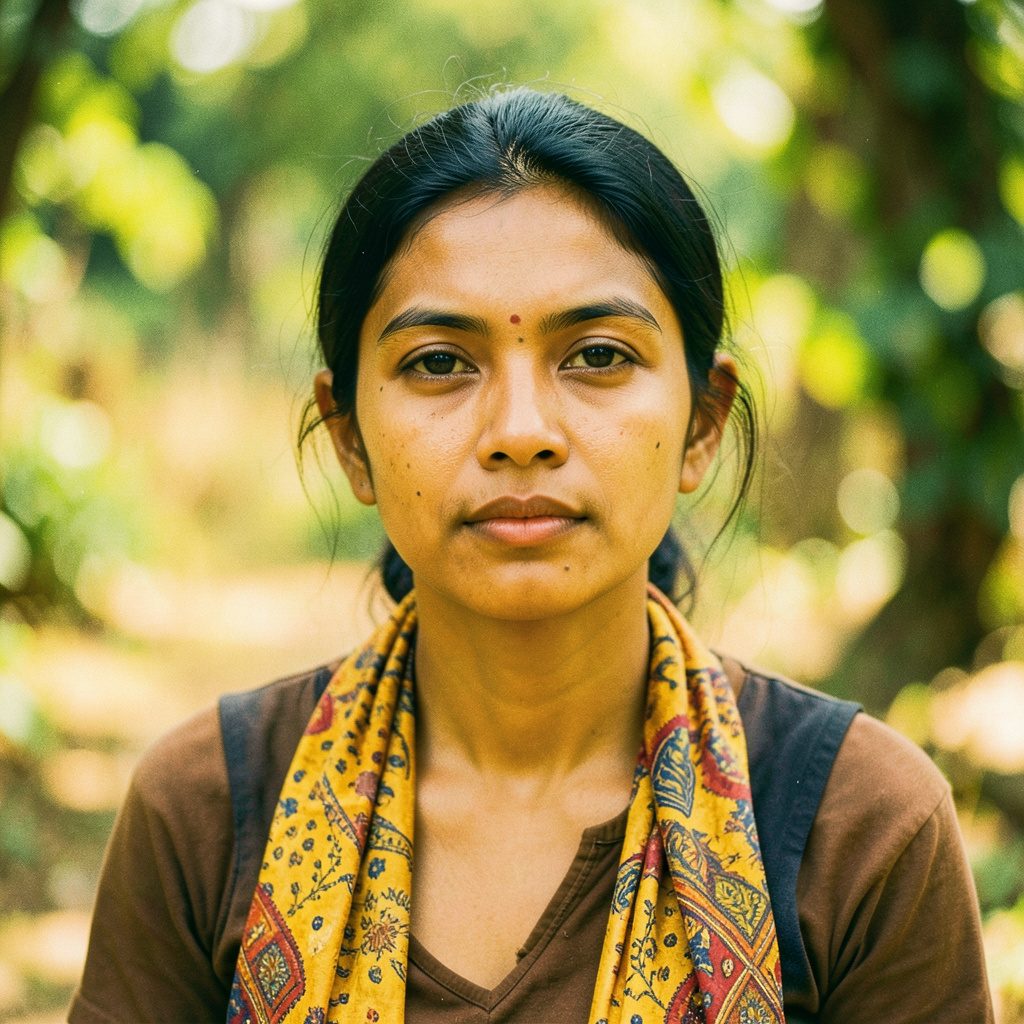
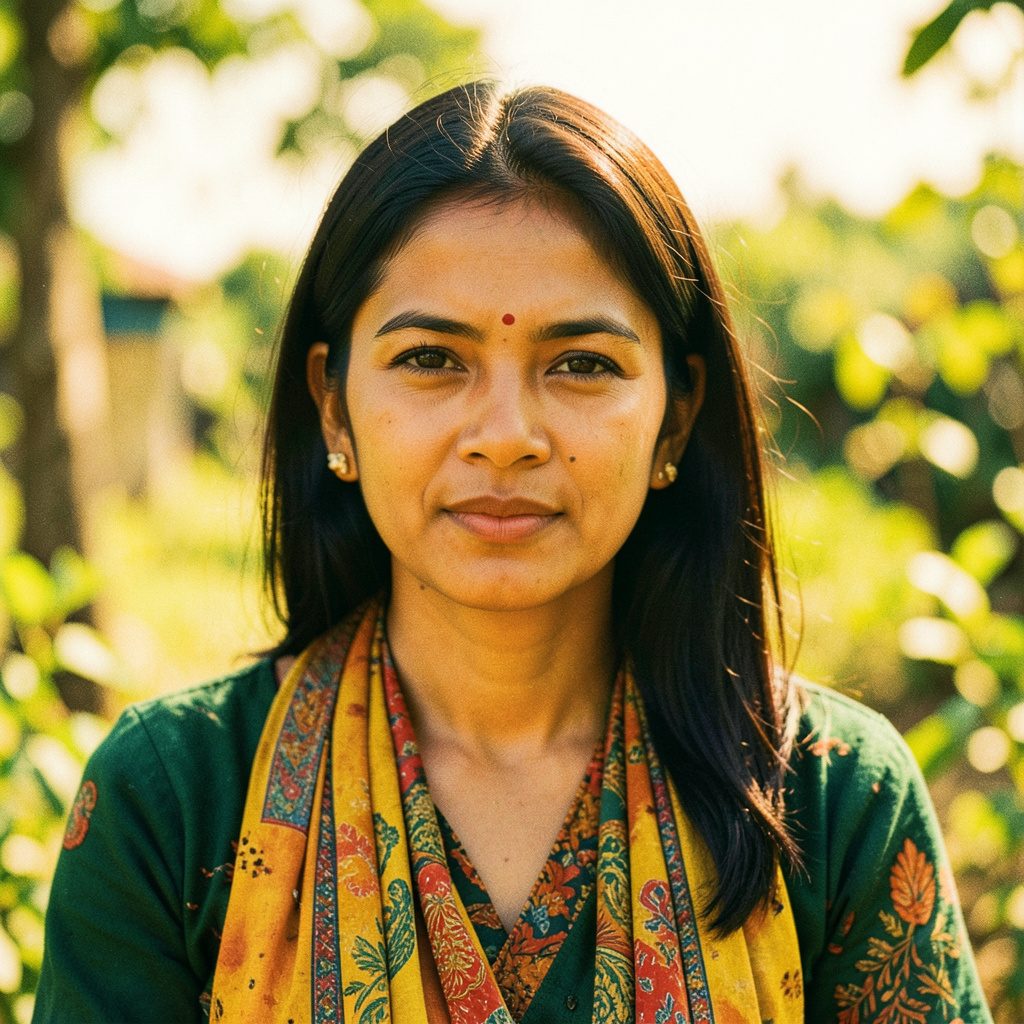
A Gallery Of Myanmar Models Wearing Designer Gowns
A gallery of Myanmar models wearing designer gowns offers a vivid study in colour, silhouette and presentation. Across editorial portraits, magazine covers and formal fashion shoots, the gowns become part of a wider visual story shaped by posture, lighting, jewellery and the atmosphere of each image.
For Australian viewers, these photographs provide a useful comparison with the polished style seen at Sydney fashion events, Melbourne’s race-day gatherings and formal charity evenings in Brisbane or Perth. The settings may differ, yet the appeal is familiar: a carefully constructed look designed to hold attention from the first frame to the last.
This collection also reflects the value of a photo archive. A single image can preserve a designer’s approach to draping, a model’s public style or a particular moment in Myanmar’s fashion culture. Viewed together, the photographs reveal recurring details that are easy to miss when each portrait is seen in isolation.
The Visual Language Of A Formal Gown
Designer gowns depend on shape before decoration. A fitted bodice, elongated skirt or sculptural shoulder can establish the mood of a portrait without requiring a busy print. In many Myanmar fashion images, the model’s stance gives the garment its structure, with a turned shoulder or extended arm allowing the fabric to fall clearly.
Colour is equally important. Jewel tones, ivory, black and metallic shades tend to photograph well under studio lighting, while saturated reds and blues create a stronger sense of occasion. These choices suit editorial portraits because they give the eye an immediate focal point, even when the background is restrained.
Fabrics, Draping And Movement
Silk-like surfaces, satin finishes, chiffon layers and embellished textiles create different responses to light. Smooth fabric can produce a sleek, modern appearance, whereas pleats and gathered panels add depth to a still photograph. A flowing train may look almost architectural in one frame and soft in another, depending on how the model moves.
Draping also connects formalwear with regional dress traditions. The arrangement of fabric around the body can suggest grace, ceremony and continuity without turning every gown into a literal interpretation of traditional clothing. This balance gives the gallery visual variety while keeping the focus on contemporary occasionwear.
Red Carpet Poise And Editorial Presence
A red-carpet portrait usually requires a different kind of performance from a fashion editorial. The pose must communicate confidence quickly, often with the model facing the camera directly and allowing the neckline, sleeves or skirt to remain visible. Editorial photography has more freedom, using profile views, seated poses and close crops to emphasise styling details.
Australian audiences may recognise this distinction from celebrity coverage around the Australian Fashion Week schedule in Sydney or formal arrivals at major arts and media events. The dress may be dramatic, yet the strongest image often comes from restraint: relaxed hands, a balanced stance and an expression that lets the garment carry its share of the narrative.
Traditional Influences In Contemporary Styling
Myanmar fashion imagery often rewards close attention to surface and proportion. Traditional references may appear through modest necklines, wrapped forms, ornate borders or textile patterns, while the overall gown remains firmly connected to modern eveningwear. These touches can make a look feel distinctive without overwhelming the wearer.
The result is especially relevant to viewers in Australia, where formal fashion often moves between global trends and local expectations. A gown selected for a Melbourne Cup event, for example, may need a memorable silhouette and practical comfort, while a Sydney evening gala can favour a longer, more dramatic line. Cultural references work best when they are handled with clarity and respect.
Jewellery, Hair And The Finished Look
Accessories determine how a gown is read. A clean neckline may call for statement earrings, while a heavily decorated bodice can benefit from a quieter necklace. Rings, bracelets and hair ornaments add smaller points of light that become particularly noticeable in close-up portrait galleries. A useful reference for understanding how accessories shape formal styling is this men’s jewellery guide, which also shows how jewellery can extend beyond familiar basics.
Hair and makeup complete the visual balance. Sleek hair can underline a structured gown, while soft waves make a romantic fabric appear lighter. In Australia’s humid Brisbane summers or during outdoor events in Darwin, practical styling also matters, since heat and moisture can quickly change the finish of an otherwise carefully planned look.
Reading The Archive As A Fashion Record
A photo-focused website preserves more than attractive portraits. Collections arranged by model name, latest posts, popular images and tags can reveal how a performer or fashion personality’s public image develops over time. Earlier shoots may favour elaborate styling, while later portraits show simpler silhouettes, stronger tailoring or a more mature editorial direction.
The archive format also helps viewers compare recurring creative decisions. A model photographed in traditional attire, a magazine cover and an evening gown may appear to occupy different fashion worlds, yet the same qualities of posture, expression and camera awareness often connect the images. This makes the collection useful for readers interested in styling as well as celebrity photography.
Viewing Gowns Through An Australian Lens
The Australian market has a practical relationship with formal dressing. Long distances between cities, warm weather in many regions and the popularity of outdoor venues influence choices around lining, footwear and layers. A gown that looks perfect in an air-conditioned studio may need thoughtful accessories for a summer wedding in Adelaide or a gala near Sydney Harbour.
Online entertainment browsing also places fashion galleries beside varied media coverage, from celebrity news to promotional features. Readers may encounter unrelated leisure content, including an European roulette bonus, while moving through a broader archive. The key is to treat each page according to its subject and return to the images for the visual details that make this gown collection distinctive.
The strongest way to view these photographs is comparatively. Begin with colour, then examine the neckline, fabric, jewellery, pose and background before considering how each look might translate to an Australian formal setting. Open the Myanmar-model.net gallery and save three contrasting images—one structured gown, one flowing design and one look with traditional influence—for a focused visual comparison.