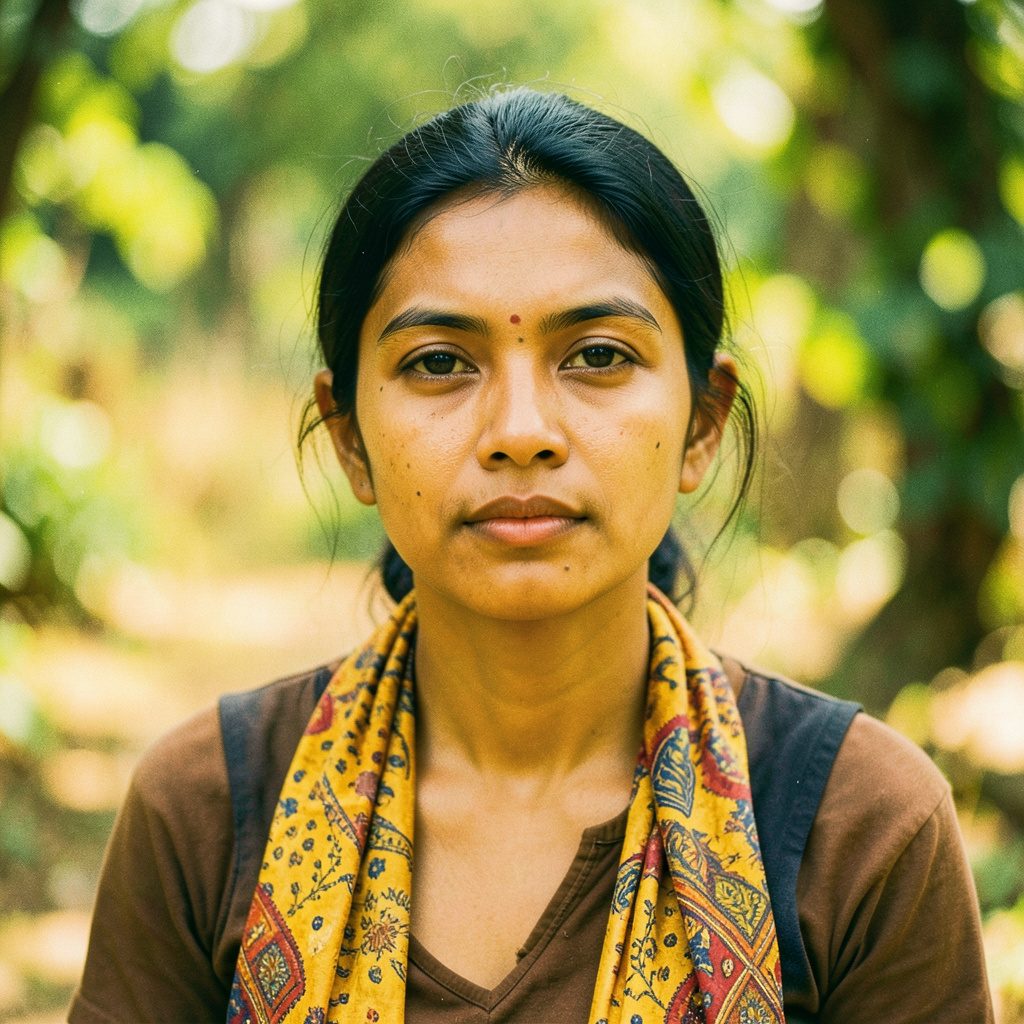
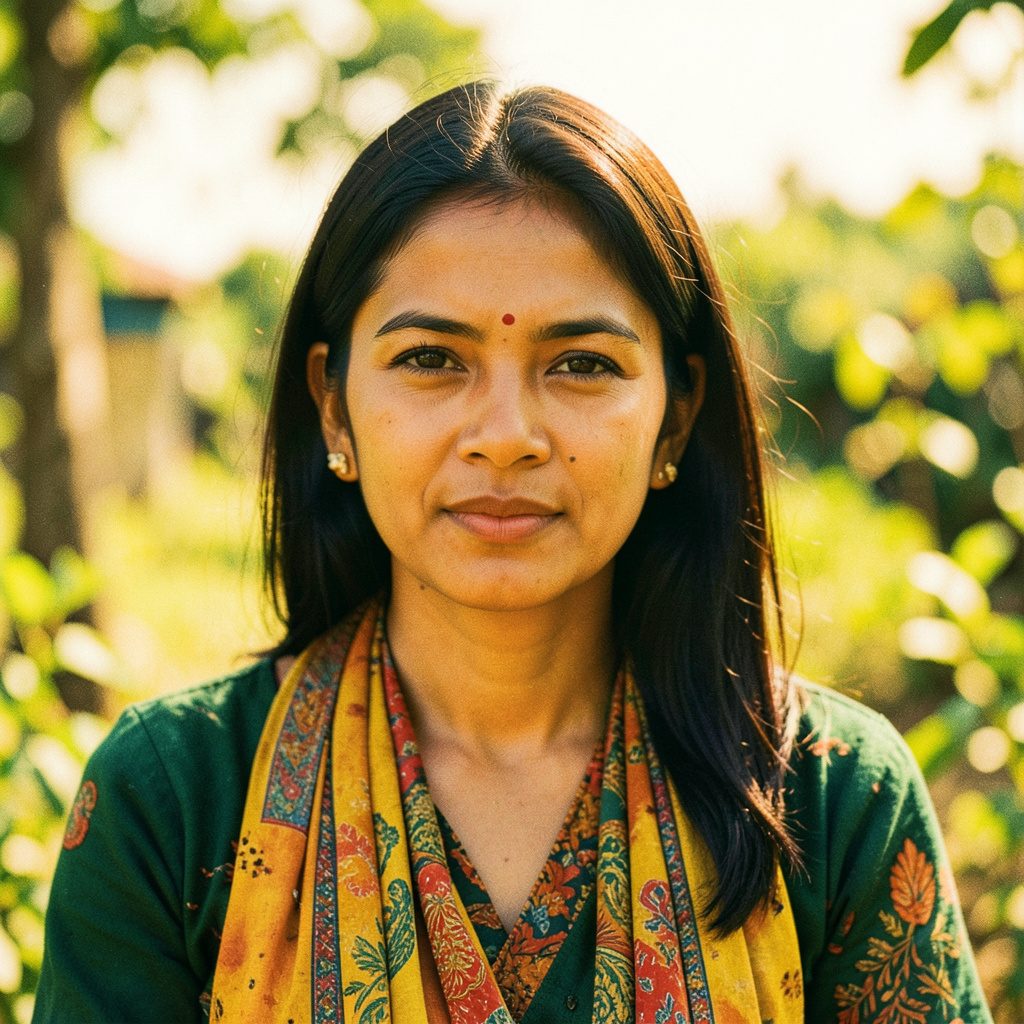
A gallery of Myanmar models in casual street style
Myanmar-model.net presents an extensive visual archive of Myanmar models, actresses, celebrities, and fashion personalities. Its collections move beyond formal red-carpet clothing to capture the relaxed outfits people wear for work, weekends, travel, and city errands. Casual street style becomes especially revealing in these photographs because ordinary pieces reveal personality through their fit, texture, and combinations.
The gallery of Myanmar models in casual street style highlights denim jackets, oversized shirts, relaxed tailoring, sneakers, and practical accessories. Rather than treating a fashion shoot as a single polished event, the archive offers many glimpses of contemporary style in less formal settings. The result is a varied record of how personal taste, local culture, and everyday comfort can shape an outfit.
For Australian viewers, many of these looks translate naturally into wardrobes suited to long summers, mild winters, and an easygoing approach to dressing. A lightweight layer can work in Brisbane, while a denim jacket remains useful along the coast in Sydney or Melbourne. Australian thrift markets, independent boutiques, and high-street stores also provide familiar ways to interpret the looks without relying on rare designer pieces.
The archive is best read as a collection of visual references rather than a rigid rulebook. By browsing portraits, magazine covers, fashion shoots, and traditional-clothing galleries through its model names and tags, readers can compare how different personalities approach similar staples. This makes the site useful for studying proportion, colour, fabric, and attitude across a broad range of Myanmar fashion culture.
Everyday dressing with a polished edge
Casual street style in the archive often begins with a small group of dependable garments. A plain T-shirt beneath denim, wide-leg trousers with a fitted top, or a crisp overshirt over a tank creates a clear foundation. These familiar pieces feel approachable, yet careful styling keeps the finished look intentional rather than plain.
Texture adds much of the visual interest. Soft cotton, washed denim, leather, lightweight nylon, and loosely woven fabrics create subtle differences that photographs capture well. A simple outfit can look more expressive when one garment has volume, another has a clean line, and a third introduces an unexpected texture. These combinations are especially useful for viewers studying everyday fashion rather than runway trends.
Accessories provide another layer without making the clothing feel overworked. Crossbody bags, compact sunglasses, simple jewellery, and low-profile sneakers appear alongside relaxed silhouettes. The overall effect is polished but wearable, with the kind of ease associated with daytime city dressing, coffee runs, and informal creative work.
Cuts, layers and accessories that travel
Many contemporary street-style outfits rely on layering, but the lighter Myanmar climate calls for combinations that can be adjusted throughout the day. A sleeveless top might sit under a loose shirt, while a lightweight jacket can be tied around the waist or removed indoors. Such styling offers flexibility without sacrificing a deliberate appearance.
Proportion is the central feature in these combinations. Oversized shirts work with narrow trousers, cropped jackets balance longer skirts, and relaxed jeans can ground a more structured top. Readers looking for wardrobe formulas can study these relationships in the archive and identify which shapes they already own, reducing the need to purchase a complete new outfit for every look.
Footwear and bags tend to remain understated in the photographs. Clean trainers, flat sandals, and practical shoulder bags reinforce the casual character of the clothing. Hair and makeup also support the sense of effortlessness: natural textures, soft colour, and polished but minimal grooming let the garments remain the focus.
Sydney laneways and Melbourne side streets
Australian street style has its own environmental influences, and the beaches of Bondi and the inner-city streets of Surry Hills offer a clear example. Coastal wind calls for adaptable layers, while strong UV makes hats, sunglasses, and lightweight fabrics valuable. The layered combinations seen throughout the Myanmar-model.net archive fit these conditions particularly well.
Melbourne’s laneway boutiques, cafés, and independent fashion stores add another dimension. Denim, monochrome separates, relaxed tailoring, and vintage-inspired pieces suit the city’s famously changeable weather and its culture of individual styling. Saturday markets and established shopping strips also make it easy to combine new purchases with older garments found through secondhand sellers.
Brisbane brings a subtropical challenge to the same wardrobe formula. Humidity encourages breathable cotton and looser silhouettes, while a compact jacket remains useful for air-conditioned offices or cooler evenings. These regional differences show how casual style can remain recognisable while changing in weight, texture, and practicality across Australia.
The Australian fashion market is similarly varied. High-street chains provide accessible basics, independent boutiques stock more particular labels, and op shops offer pre-owned denim, jackets, and accessories. Online resale platforms have also changed how shoppers source distinctive pieces. In everyday Australian conversation, words such as “keen”, “beaut”, and “arvo” give these shopping plans a relaxed, conversational tone that matches the understated street-style mood.
Tradition, identity and contemporary fashion
The archive’s traditional-clothing galleries create an important counterpoint to its modern fashion imagery. Pieces associated with Myanmar dress, including the longyi and htamein, demonstrate the visual value of draped fabric, woven detail, and garment construction. In an editorial setting, traditional elements can sit beside contemporary jackets, minimalist footwear, or clean-cut separates.
This mixture communicates cultural identity without requiring every outfit to reference formal dress. It can also reveal how familiar garments change when placed in an unexpected combination. A woven wrap with a relaxed shirt, or a traditional silhouette beside modern sunglasses, shows how texture and shape can carry the visual conversation.
For readers who want to understand the wider social context behind this kind of cultural visibility, the foundation's wider work offers a natural place to look beyond fashion imagery. Maintaining that broader perspective keeps the focus on culture as a living and evolving part of Myanmar life.
A practical street-style reference for your own wardrobe
The most useful approach to this archive is to study repeatable principles rather than copy individual outfits. Look for repeated proportions, such as a loose top with straight trousers or a fitted layer beneath an oversized jacket. Then note which fabrics and colours appear often and how accessories remain restrained.
A practical exercise is to select three looks from different model galleries and identify one shared element in each. That element might be a dark base colour, a single denim layer, breathable fabric, or comfortable flat footwear. Building around those common features makes it easier to shop Australian op shops, vintage markets, and independent stores while still producing a coherent personal style.
The practical takeaway is to treat casual dressing as a system of adaptable pieces. Choose one comfortable foundation, one contrasting layer, and one detail that expresses your personality; from there, the same clothes can shift between relaxed errands, creative workplaces, and warm-weather outings.