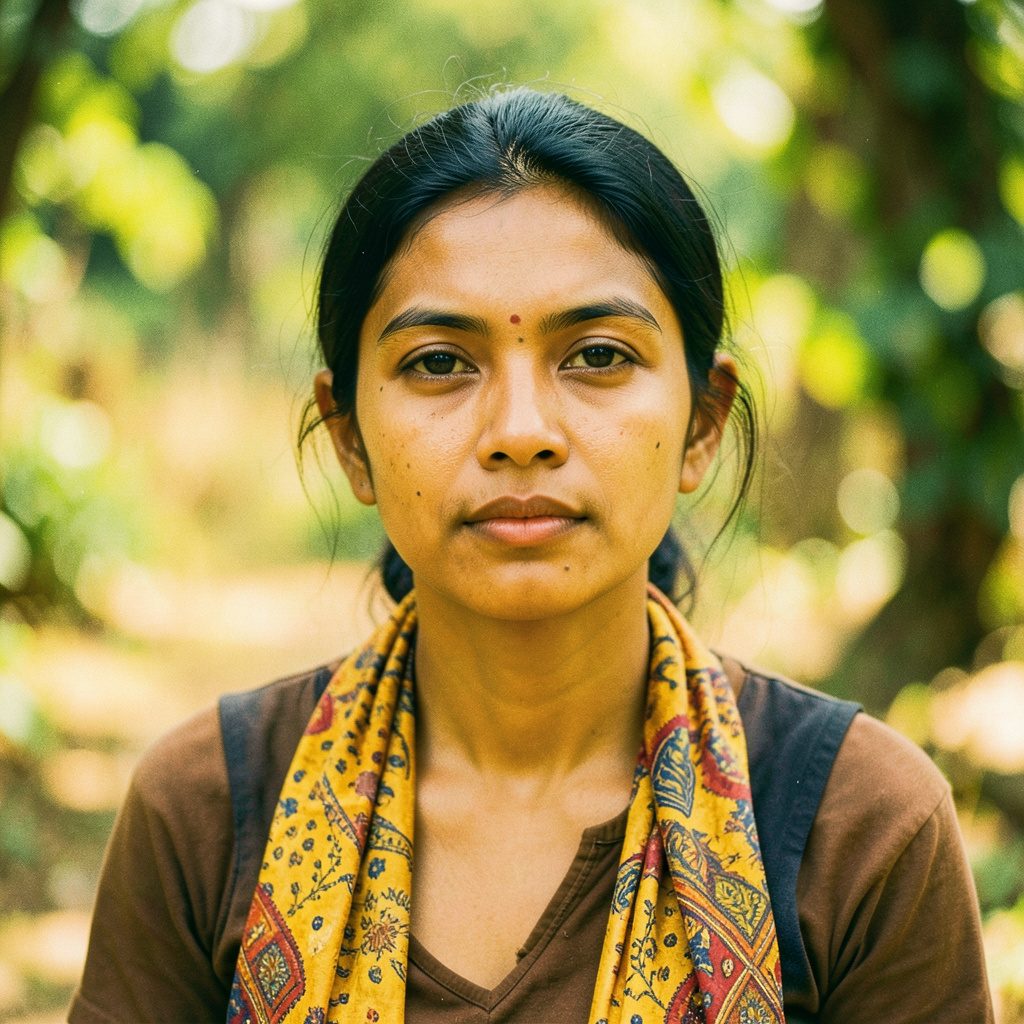
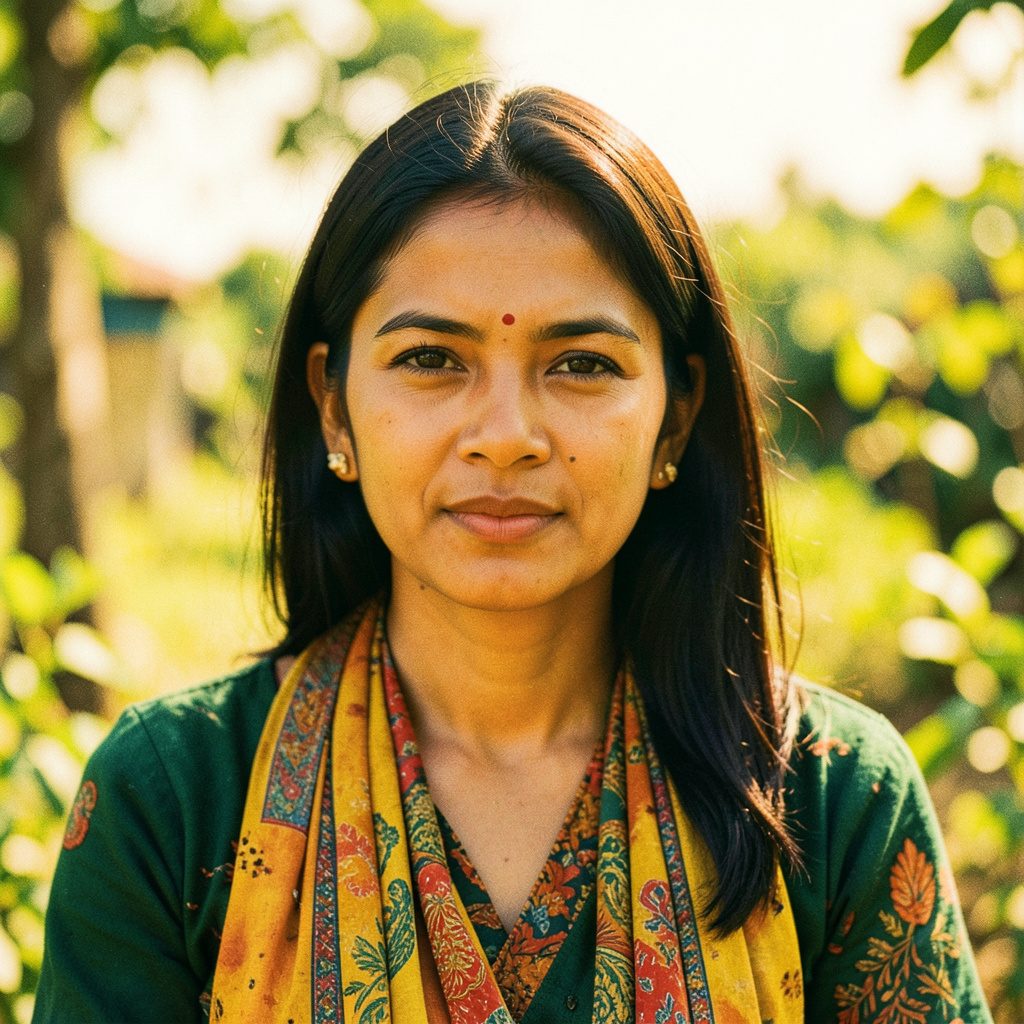
Myanmar actresses in elegant evening gowns
An evening gown can make a brief entrance the defining image of a night. This gallery of Myanmar actresses in elegant evening gowns brings together magazine covers, fashion portraits and event photography, where silhouette, fabric and jewellery give each appearance its own character.
The collection is visually varied: some dresses stay close to the body, others release into soft folds or dramatic volume. Metallic surfaces, dark velvet and airy chiffon create different moods, while cropped compositions make fabric and posture as important as the full outfit.
Looking across these images is more rewarding than assigning a simple red-carpet hierarchy. Repeated details—sculpted waistlines, open backs, delicate straps and ornate necklines—show how screen presence and careful styling work together.
For Australian viewers, the gallery offers useful comparisons with event dressing in Sydney and Melbourne, from winter functions held in warm rooms to summer weddings outdoors. Local designers, independent boutiques and ready-to-order labels offer nearby options, even when the inspiration comes from Yangon.
Statement silhouettes and elegant restraint
Long, uninterrupted lines give many gowns their strongest effect. A column dress falls cleanly from the shoulder to the hem, lengthening the wearer and allowing the face, jewellery or background to remain prominent. It is a confident choice for portraits because every fold has room to register.
A fitted bodice paired with a controlled flare creates a different kind of presence. Whether the shape is a trumpet, mermaid or softly A-line silhouette, the emphasis falls on the waist and the sitter’s posture. These dresses suit photographs that reward movement, particularly when a photographer catches a turn on the carpet.
Minimalist gowns can still carry strong personality. Plain black crepe or ivory silk may appear restrained beside lace or sequins, yet sharp tailoring, narrow straps and a precise neckline can make the whole look commanding. Ornament is not the only route to elegance.
Textiles that catch the camera’s eye
Satin records every bend and creates bright bands under flash, while matte velvet absorbs light and gives depth to a photograph. Silk looks fluid in motion, chiffon introduces translucent layers, and sequins break a surface into hundreds of tiny reflections. The same gown can therefore change character between a magazine cover, a studio portrait and candid event image.
Colour is equally revealing. Deep jewel tones feel formal and cinematic; silver and gold reference the sparkle of awards-night dressing; black and midnight blue keep attention on cut and movement. For Myanmar entertainment photography, warm lamps and direct flash often intensify the sheen of formalwear, making textile choice a major part of the archive’s visual appeal.
Australian venues add a practical filter. Air-conditioned hotels and restaurants in Sydney or Melbourne can make velvet and layered tulle comfortable, while a coastal summer wedding calls for something lighter. Hem length and sleeve coverage also matter where air conditioning is strong, an everyday consideration often missed in purely aspirational fashion coverage.
Traditional elements in a modern wardrobe
Myanmar formal style offers a rich counterpoint to imported red-carpet conventions. The fitted paso jacket and the htamein wrap have their own silhouettes, and photographs that place contemporary gowns beside such traditional dress show two sophisticated systems of shape and ceremony. The comparison is most interesting when each garment is treated with equal respect.
Modern evening gowns sometimes borrow the visual language of lace, long sleeves or high necklines without attempting to reproduce a traditional outfit. Jade, rubies, diamonds and gold can shift the balance further, especially when a restrained black dress becomes vivid through a sculptural necklace or stacked bangles. These details connect the garment to the wearer rather than leaving the silhouette to work alone.
Styling matters here. Traditional accessories, elaborate hair and bold lipstick can turn a simple gown into a complete public image, while a minimal jewel keeps attention on colour and construction. The strongest combinations feel deliberate: one element leads, and the others support it.
From magazine cover to full-length portrait
A magazine cover compresses an entire look into a narrow vertical frame, often leaving little room for shoes or the true sweep of a skirt. Full-length editorial photographs provide another reading. They reveal the back of a gown, the placement of a train and the way the fabric behaves when the subject moves.
Candid images add a third layer. Flash photography can sharpen metallic surfaces and freeze a gesture, while softer hotel or venue lighting produces warmer, more diffuse colour. Rather than treating one format as definitive, the gallery can show how the same style shifts with angle, lighting, background and photographic intent.
That variety is why an editorial photo archive is valuable. Model-name tags, portrait collections and related shoots allow readers to trace an actress’s visual work across different years and settings. The broader Myanmar-model.net collection of models and fashion personalities also provides context for understanding the styling language surrounding the gowns.
Evening style across Australian cities
Sydney and Melbourne both have strong communities centred on hospitality, fashion and the visual arts. Dinner reservations, weddings, charity balls, exhibition openings and after-work functions create plenty of settings in which an elegant gown can become part of the occasion. Between these cities and regional events, Australian hosts often plan dressing around season, weather and the formality of the invitation.
The local market includes Australian labels such as Scanlan Theodore, Aje and Manning Cartell, alongside department stores, independent boutiques and made-to-order studios. Prices are commonly quoted in Australian dollars, while made-to-order garments require lead time and careful fitting. These practical details sit alongside the fashion appeal of the Myanmar images and help translate editorial inspiration into options available closer to home.
Everyday Australian habits shape the timing of formal dressing. A Saturday evening dinner or gallery opening may begin with a casual drink, making a gown need to feel comfortable through a long night and several locations. Choosing breathable fabric, sensible heels and secure accessories can make the difference between a memorable outfit and an uncomfortable one.
A practical legacy for viewers and collectors
A photo archive carries responsibility as well as visual pleasure. Under Australian copyright law, photographers generally control reproduction of their photographs, and a repost on social media does not automatically grant permission to publish or sell an image. Clear captions, photographer credits and permission for commercial reuse protect both the creators and the people pictured.
The same care applies to how a look is described. Terms such as elegant, modern or traditional should describe visible features without assigning a fixed identity to the wearer. Avoiding invented event details also keeps the gallery useful as a visual reference, especially where a striking image may circulate without its original photographer or publication information.
The practical takeaway is to treat each photograph as a styling formula: identify the silhouette, fabric, neckline, accessory level and venue, then compare that formula with Australian weather, dress codes and locally available pieces. Seen this way, the gallery becomes a practical record of elegant evening design as well as a celebration of Myanmar screen culture.