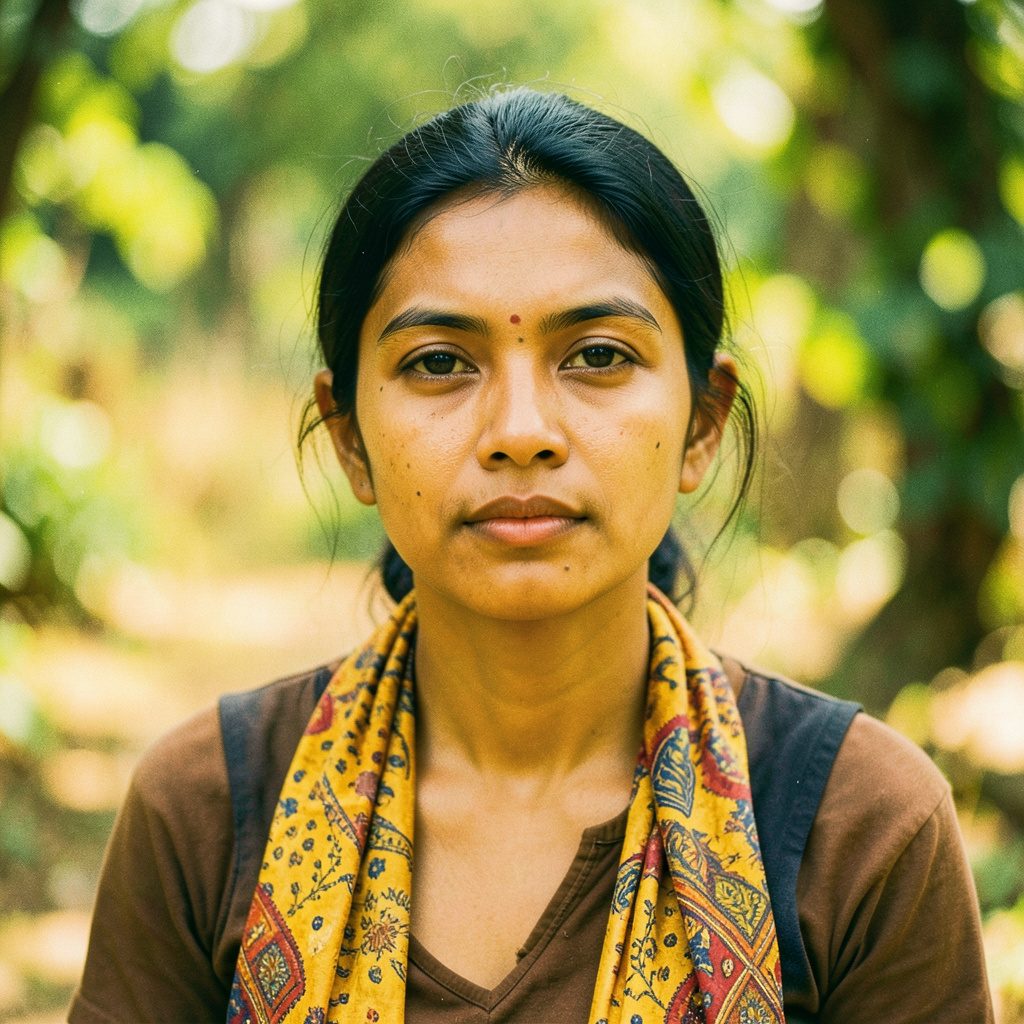
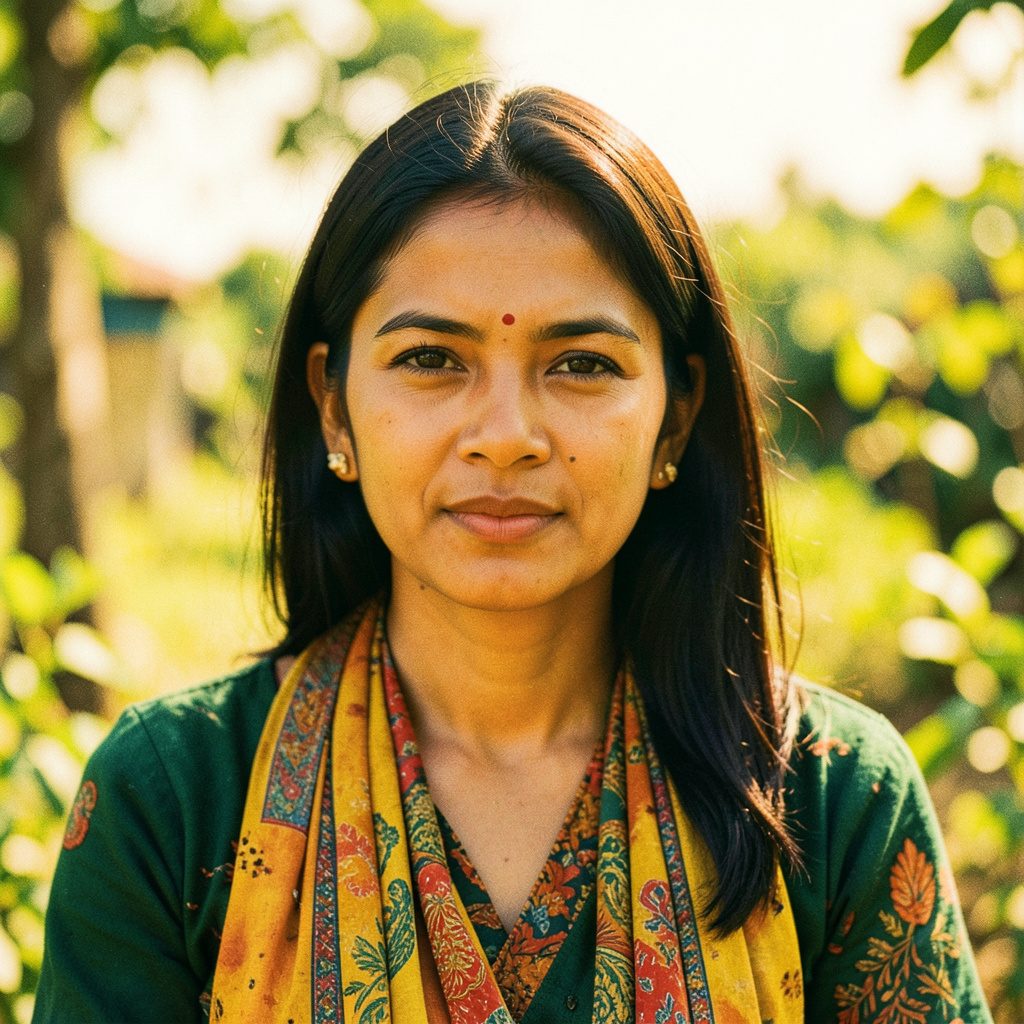
A collection of studio portraits: The classic Myanmar model look
A studio portrait can reduce a crowded fashion week to one face, one gesture, and a carefully controlled field of colour. The classic Myanmar model look is built around that concentration: polished skin and hair, a composed expression, and clothing whose silhouette remains legible even when the image is reproduced as a magazine cover or online gallery thumbnail. Strong visual hierarchy gives these photographs a lasting editorial quality.
The appeal also lies in restraint. A plain background, soft directional light, and an uncluttered pose let viewers notice the model rather than the set. This visual clarity is especially useful for readers in Australia, where portrait imagery moves quickly through fashion publications, celebrity features, brand pages, and social feeds, often adapting the same original shoot to several formats.
Why the classic studio portrait endures
The enduring style is not tied to one photographer or decade. Its core features are a clean backdrop, balanced lighting, deliberate posture, and styling that supports the face without overwhelming it. These choices have appeared in print magazines and on screen for years, yet contemporary shoots can still feel immediate when every element remains precise and coherent.
That precision matters because portraiture communicates before it explains. The arrangement of eyes, shoulders, hands, and fabric creates an initial impression of confidence, calm, or formality. This is where visual persuasion principles become relevant to fashion photography: hierarchy, contrast, and framing guide attention before a viewer has time to analyse the details.
Light, camera, and controlled backgrounds
Classic studio light is often described as soft, but softness does not mean flatness. A large key light positioned slightly above eye level can shape the cheekbones while a darker background separates the outline of the hair. Small reflectors may lift the shadow side of the face, and a narrow rim light can define the shoulder against a darker backdrop.
Pose completes the technical design. A straight spine, relaxed hands, and a slight turn of the torso prevent a fashion image from feeling rigid. The camera angle also matters: eye-level framing feels direct, while a subtly raised viewpoint can lend authority without distorting the proportions. Together, light and position turn a photographed outfit into a recognisable editorial presence.
Traditional dress and refined styling
Traditional clothing adds cultural specificity when it is presented with care. Myanmar fashion imagery may feature silk htamein or longyi-style wraps, fitted jackets, delicate jewellery, and thanaka, with each garment reflecting regional, ethnic, and occasion-specific traditions rather than a single uniform national style. Close framing lets the weave, colour, and placement of these details carry equal weight with the model’s expression.
The strongest editorial portraits avoid turning cultural dress into costume. Instead, they photograph the wearer as a fashion professional whose individual identity is broader than the garment alone. Browsers seeking organised examples can browse the Myanmar model archive for magazine covers, studio shoots, traditional looks, and portrait galleries organised by model names and visual themes.
Studio portraits in an Australian context
Australian readers encounter this polished imagery in several local settings. Sydney studios in Surry Hills serve fashion, beauty, and commercial clients, while portraits shot near the harbour often gain a naturally luminous quality that is later controlled indoors. Melbourne’s central laneways and Collingwood studio culture create a different but equally productive environment for fashion editorials and independent magazine projects.
The local market shapes how those images are used. Sydney and Melbourne fashion weeks generate demand for sharp cover-worthy portraits, while publications from The Australian Women’s Weekly to Harper’s BAZAAR Australia use formal studio imagery for celebrity, beauty, and fashion stories. Digital editions then adapt those photographs for websites and social platforms.
For Australia’s multicultural readership, Myanmar models and Southeast Asian fashion also provide representation that reflects the communities seen in major Australian cities. The strongest images achieve this without reducing a model to a single cultural theme, whether the styling moves between modern tailoring, beauty work, or traditional dress.
Portrait details worth comparing
A useful viewing method is to separate technique from personal style. First, check how light defines the face and whether the background creates separation. Then consider whether the pose appears natural within its formal setting and whether jewellery, makeup, and fabric support the intended mood without competing for attention.
For lighting and composition, note:
- Large, diffused key light with gentle facial shadows
- Plain neutral or single-colour backdrop
- Eye-level framing with centred or slightly offset balance
For styling and expression, note:
- Hair controlled enough to show the face clearly
- Makeup coordinated with the clothing palette
- Hands visible or deliberately placed outside the frame
- Expression composed, with a restrained gaze
The following comparison turns those observations into a compact guide for distinguishing classic treatments from contemporary variations without judging either approach by the same formula.
| Element | Classic studio treatment | Contemporary variation | Detail to notice |
|---|---|---|---|
| Lighting | Soft key with controlled shadow | Harder light, coloured gels, or mixed sources | Whether the face stays clear and dimensional |
| Background | Seamless neutral or muted colour | Textured set, gradient, or environmental scene | How much separation the silhouette receives |
| Pose | Upright, balanced, and symmetrical | Angular, cropped, or more casual | Where tension appears in shoulders, hands, or hips |
| Styling | One decisive garment or polished ensemble | Layered, mixed, or minimally styled | Whether visual detail supports the face |
| Expression | Calm, direct, and composed | Wry, intense, or deliberately distant | How the gaze changes the tone |
Keeping a personal reference set
A personal archive becomes more valuable when images are saved with notes rather than treated as anonymous scrolling material. Record the photographer or publication when known, note the lighting and backdrop, and identify whether the look centres on editorial fashion, celebrity portraiture, traditional clothing, or a beauty concept. This creates a reference set that remains useful across print reproductions and smaller digital crops.
Begin with contrast rather than volume. A formal thanaka-and-silk portrait, a clean beauty close-up, and a sharply tailored studio image can reveal how the same model category changes with styling and framing. The concrete next step is to save three portraits in one folder—one in traditional dress, one in a monochrome suit, and one with a clean beauty look—then compare their lighting, pose, and styling notes side by side.